

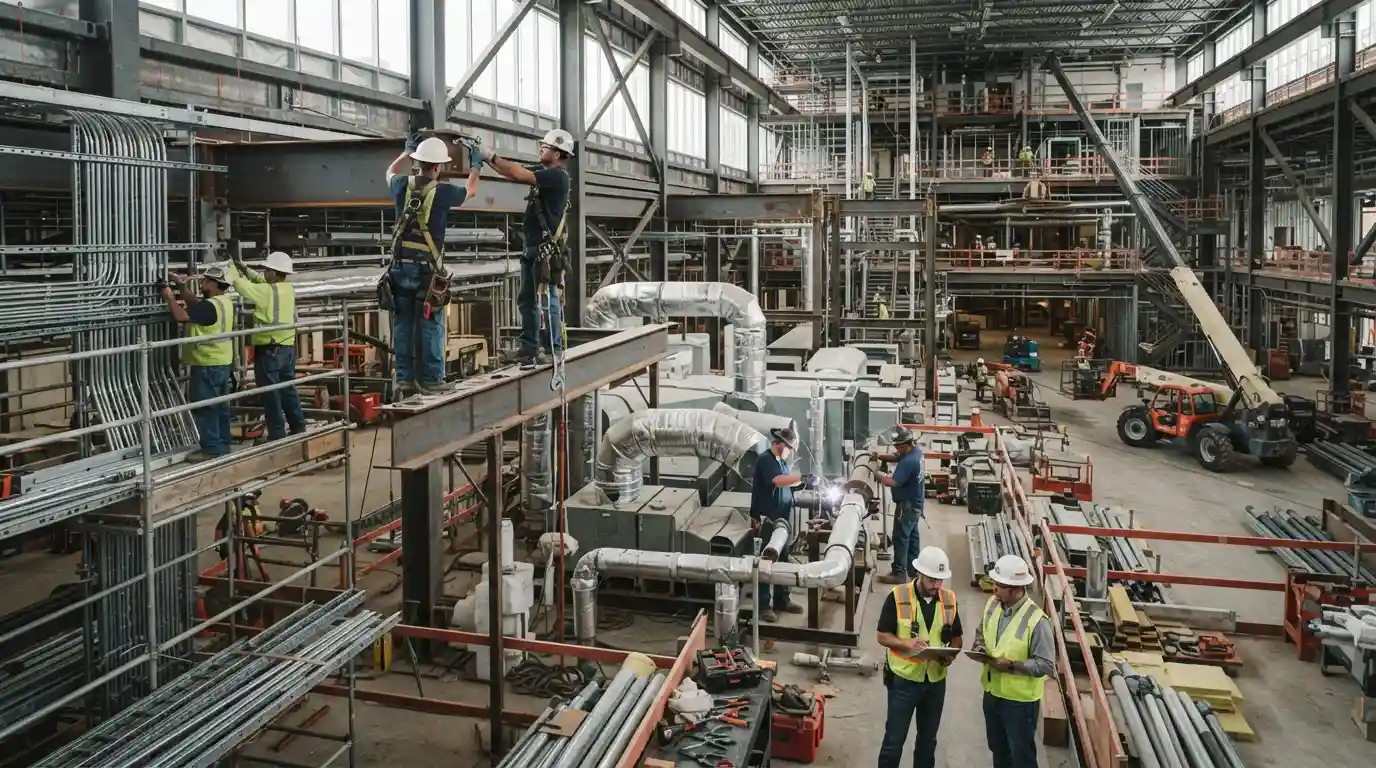
The most common challenges in industrial construction projects include coordinating multiple trades, integrating specialized equipment, managing design changes, handling long-lead materials, meeting safety requirements, dealing with unexpected site conditions, and keeping projects on schedule. Systems West helps industrial projects manage these complexities through careful planning, coordination, and construction expertise.
In this guide, we break down the key challenges that can affect industrial construction projects and the practical steps that can help prevent delays, rework, safety issues, and costly disruptions.
Why Are Industrial Construction Projects More Complex?
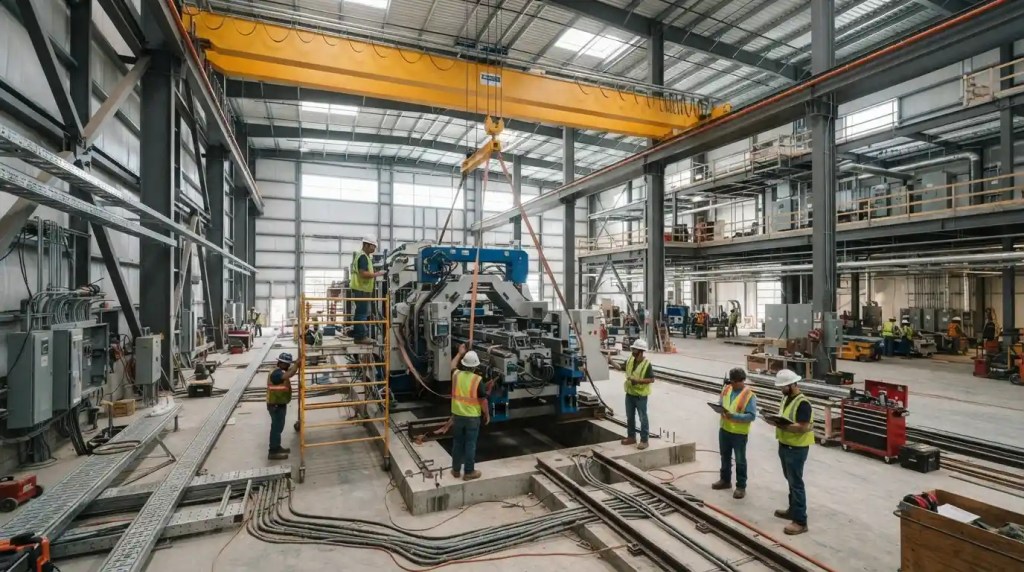
Industrial construction projects are more complex because they must bring together large structures, specialized equipment, multiple building systems, and operational requirements in one coordinated project. Unlike a simple commercial building, an industrial facility often needs to support specific production processes, machinery, material movement, and other functions that directly affect how the building is designed and constructed.
Large-Scale Facilities and Specialized Requirements
Industrial facilities can cover large areas and require structural systems designed for heavy equipment, production lines, storage, overhead cranes, or other specialized uses. The building must be designed around these requirements rather than treated as a standard structure.
Multiple Systems and Contractors Working Together
Industrial projects often involve structural steel, concrete, HVAC, electrical, plumbing, fire protection, equipment installation, and other specialized work. These systems have to be properly coordinated so that one trade does not interfere with another or delay the work that follows.
Construction Requirements Are Tied to Facility Operations
The building must support how the facility will actually operate. Equipment locations, access routes, clearances, utilities, ventilation, and material flow can all influence construction decisions. A change in one area can therefore affect several other parts of the project.
Small Delays Can Affect the Entire Project
Industrial construction has many connected activities, so a delay in one part can quickly affect other work. For example, a late equipment delivery may delay installation, testing, and final commissioning. This makes early planning and coordination especially important for keeping the project moving.
8 Common Challenges in Industrial Construction Projects
Industrial construction projects can face challenges at almost every stage, from coordinating different trades to installing specialized equipment and dealing with unexpected site conditions. The following are eight of the most common issues that can affect project efficiency, cost, safety, and completion.
Coordinating Multiple Trades and Construction Teams
Industrial projects often require structural, mechanical, electrical, HVAC, plumbing, fire protection, and other specialized trades to work on the same facility. Their work is closely connected, so poor coordination can create conflicts and prevent one crew from starting its work on time.
For example, electrical or mechanical installations may depend on structural work being completed first. Without clear sequencing and communication between contractors, work may need to be stopped, moved, or repeated. Regular coordination helps keep different teams working according to the overall construction plan.
Integrating Equipment With the Building Design
Industrial facilities are often designed around large or specialized equipment. The size, weight, clearance, access requirements, and utility connections of this equipment can affect the building’s structure and layout.
Heavy machinery may require additional structural support, while equipment access may require larger doors, specific clearances, or reinforced areas. If these requirements are not considered early, equipment installation can lead to costly modifications or delays later in the project.
Managing Changes to the Project Scope
Changes are common when industrial projects develop or operational requirements become clearer. A design may change, equipment specifications may be updated, or the facility may need to support a different production process.
Even a small change can affect drawings, materials, fabrication, installation, and other trades. If changes are not reviewed and communicated quickly, they can result in change orders, rework, schedule disruptions, and additional costs.
Handling Long-Lead Materials and Equipment
Some industrial projects depend on specialized equipment, custom-fabricated components, and materials that cannot be delivered immediately. These items may have long procurement and manufacturing periods.
A delayed delivery can create problems beyond procurement. Installation crews may be unable to begin their work, dependent trades may have to change their schedules, and other activities can be pushed back. Identifying long-lead items early allows the project team to plan purchasing and delivery around the construction schedule.
Meeting Safety and Regulatory Requirements
Industrial construction involves significant safety and regulatory requirements because projects may include heavy equipment, elevated work, complex mechanical systems, electrical work, and other potential hazards. Construction activities must be planned around applicable safety requirements as well as building and fire codes.
Inspections, permits, and approvals can also affect the timing of construction. Treating compliance as part of project planning rather than a final step can help reduce avoidable delays and ensure that work is completed safely and correctly.
Construction Around Existing Industrial Operations
Expansions and renovations can be particularly challenging when construction takes place inside or next to an operating facility. Production may need to continue while contractors complete structural, mechanical, electrical, or other work.
Construction activities must be separated from active operations where necessary, with careful planning for worker access, equipment movement, noise, dust, shutdowns, and other disruptions. Work that could interrupt production may need to be scheduled during planned downtime or other controlled periods.
Dealing With Unexpected Site Conditions
Existing industrial sites do not always match available drawings or initial assumptions. Contractors may encounter unknown foundations, underground utilities, drainage problems, unsuitable soil, or restricted access after work begins.
These conditions can require design changes, additional work, or changes to the construction sequence. Early site investigation can reduce some of these risks, but project teams also need a process for responding quickly when unexpected conditions are discovered.
Keeping the Project on Schedule
Industrial construction schedules depend on a chain of connected activities. Design must support procurement, materials must arrive before fabrication or installation, and different trades must complete their work in the right sequence.
A delay in one critical activity can affect several other teams. Keeping contractors, suppliers, designers, and equipment providers aligned helps identify schedule risks early and allows the project team to adjust before a small delay becomes a larger project disruption.
What Happens When Industrial Construction Challenges Are Not Managed?

Poorly managed challenges can create a chain reaction across an industrial construction project. A coordination problem or unexpected issue may lead to rework, schedule delays, higher costs, and disruptions to facility operations.
The most common consequences include:
- Cost overruns: Additional labor, materials, equipment, and change orders can increase the final project cost.
- Schedule delays: Delays in one activity can affect dependent trades, equipment installation, inspections, and project completion.
- Rework: Poor coordination or late design changes may require completed work to be modified or installed again.
- Equipment installation problems: Inadequate clearances, structural support, or access can make specialized equipment difficult to install.
- Safety risks: Poor planning and coordination can increase the risk of accidents, especially when multiple trades or active industrial operations are involved.
- Operational disruptions: Construction inside or near an operating facility can interfere with production when shutdowns and work areas are not properly planned.
- Quality issues: Rushed work or frequent changes can make it harder to maintain consistent construction quality and meet project requirements.
For industrial projects, these problems are often connected. A procurement delay, for example, can affect installation, push back other trades, and ultimately extend the overall schedule. Managing risks early helps prevent individual issues from developing into larger project problems.
How Can Industrial Construction Challenges Be Prevented?
Industrial construction challenges cannot always be eliminated, but early planning and coordination can reduce their impact. The goal is to identify important requirements and potential problems before they affect construction, procurement, or facility operations.
Define Project Requirements Before Construction
Start by clearly defining the facility’s purpose, size, production requirements, equipment, structural needs, and expected operating conditions. Clear requirements give designers and contractors a reliable basis for planning the project.
They also reduce the risk of major changes after construction has already started. Before work begins, key decisions should be documented and shared with everyone involved in the project.
Coordinate Building Design With Equipment Needs
Building design should account for equipment requirements from the beginning. This includes equipment dimensions, weight, structural support, utility connections, access, clearances, and installation requirements.
Early coordination helps ensure that the structure and building systems can accommodate the equipment without requiring expensive modifications later.
Identify Long-Lead Items Early
Review the project plans to identify materials, equipment, and custom components that may require extended manufacturing or delivery times. These items should be included in the procurement plan as early as possible.
Aligning procurement with the construction schedule helps prevent a delayed delivery from stopping installation or affecting other trades.
Plan Construction Around Facility Operations
For expansions and renovations, construction needs to account for ongoing facility operations. Define work areas, access routes, shutdown requirements, and activities that could interfere with production before construction begins.
When disruptive work is unavoidable, scheduling it during planned shutdowns or controlled periods can help limit its effect on daily operations.
Establish Clear Communication Between Project Teams
Designers, contractors, suppliers, equipment providers, and facility owners need a clear process for sharing project information. Regular coordination meetings, updated drawings, documented decisions, and defined responsibilities can help prevent misunderstandings.
Clear communication also allows changes and potential problems to be identified before they affect multiple parts of the project.
Identify Site and Construction Risks Early
Conduct appropriate site investigations and review existing structures, foundations, utilities, drainage, access, and other conditions before work begins. The project team should also identify construction risks related to safety, scheduling, materials, equipment, and site logistics.
Not every problem can be predicted, but identifying known risks early gives the team more time to develop practical solutions and contingency plans.
What Should You Evaluate Before Starting an Industrial Construction Project?
Before starting an industrial construction project, evaluate the facility’s purpose, operational requirements, equipment needs, site conditions, construction scope, schedule, procurement requirements, and safety obligations. The equipment’s size, weight, access, utility connections, and structural support should be considered alongside existing structures, foundations, underground utilities, soil conditions, drainage, and site access. The project scope should also clearly define the required structural work, building systems, equipment installation, and site work.
The project schedule should account for design, permits, procurement, fabrication, delivery, installation, and inspections, with special attention to long-lead materials and equipment. It is also important to consider how construction may affect an operating facility and what safety or regulatory requirements apply. Finally, evaluating future needs such as additional equipment, increased production, storage, or expansion can help ensure the facility remains suitable as the business grows.
When Should You Work With an Experienced Industrial Construction Contractor?
You should consider an experienced industrial construction contractor when a project involves specialized equipment, complex structural requirements, multiple trades, facility expansion, renovation, or construction around an active operation. These projects require careful coordination between design, procurement, fabrication, installation, and site work, so experience with industrial facilities can help prevent avoidable problems.
An experienced contractor can coordinate different teams, manage specialized installations, identify potential site and construction issues, and keep the work aligned with the project’s schedule and operational requirements. For complex industrial projects, working with a contractor that understands these requirements can help reduce delays, rework, safety risks, and disruption to facility operations.
Get Expert Support for Your Industrial Construction Project
Industrial construction projects require careful coordination, from initial planning and equipment integration to procurement, construction, and final installation. Working with an experienced team can help identify potential challenges early and keep the project moving efficiently.
Systems West provides industrial construction expertise to help businesses plan and execute complex projects with greater coordination, safety, and reliability. Contact Systems West to discuss your upcoming industrial construction project.
Conclusion
Industrial construction projects involve many interconnected challenges, from coordinating multiple trades and integrating specialized equipment to managing procurement, safety requirements, design changes, and unexpected site conditions. Because these factors can affect one another, a problem in one area can quickly lead to delays, rework, higher costs, or operational disruptions.
The best way to reduce these risks is to address them early through detailed planning, clear communication, proper equipment coordination, realistic scheduling, and careful risk management. With the right approach and experienced construction support, industrial projects can move forward more efficiently while maintaining safety, quality, and long-term functionality.
Frequently Asked Questions
What are the biggest challenges in industrial construction?
The biggest challenges include coordinating multiple trades, integrating specialized equipment, managing design changes, handling long-lead materials, meeting safety requirements, working around active operations, dealing with unexpected site conditions, and keeping the project on schedule.
Why are industrial construction projects difficult to manage?
Industrial construction projects are difficult to manage because they involve multiple contractors, specialized equipment, complex building systems, and closely connected construction activities. A delay or change in one area can affect several other parts of the project.
What causes delays in industrial construction projects?
Common causes include delayed materials or equipment, design changes, poor coordination between trades, unexpected site conditions, permitting or inspection issues, and problems with construction sequencing. Early planning and communication can help reduce these risks.
How can industrial construction costs be controlled?
Costs can be better controlled by defining the project scope early, coordinating building and equipment requirements, identifying long-lead items, managing design changes, and addressing site risks before construction begins. Clear communication also helps reduce rework and unexpected expenses.
How does equipment affect industrial building construction?
Industrial equipment can influence the building’s structural design, layout, clearances, access points, foundations, utilities, and installation sequence. Considering equipment requirements early helps ensure the facility can accommodate the machinery without major modifications later.