


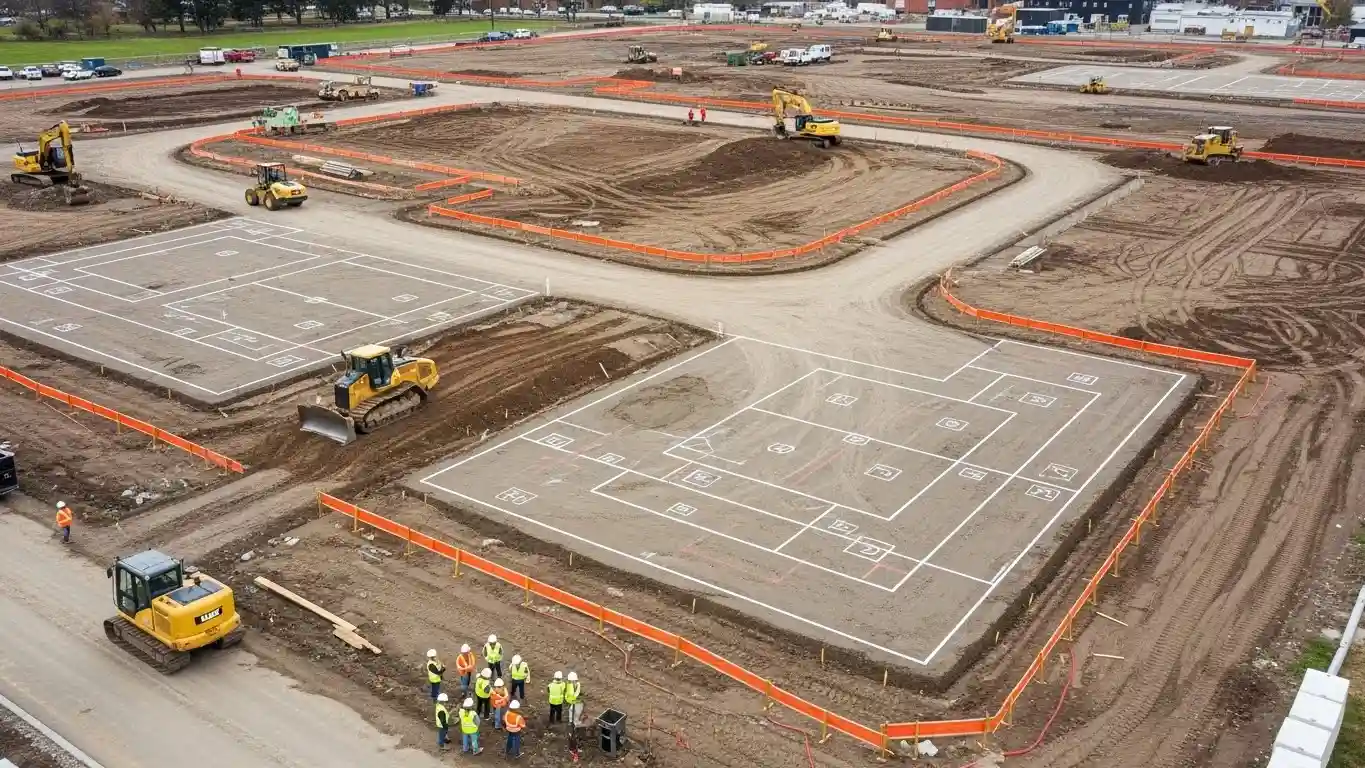
Site preparation is the process of preparing a construction site for building work by clearing the land, assessing soil and site conditions, grading and leveling the ground, managing drainage, and creating safe access for workers and equipment. Proper site preparation gives the project a stable foundation and helps prevent construction delays, drainage problems, and costly rework.
For commercial and industrial construction projects, site preparation can involve much more than clearing and excavating land. It may require detailed site assessments, soil testing, heavy equipment, grading, drainage work, utility coordination, and carefully planned access areas. This guide explains the main steps, materials, equipment, challenges, costs, and other considerations involved in preparing a site for construction. Systems West supports commercial and industrial construction projects with the coordination needed to prepare a site properly.
What Is Site Preparation?
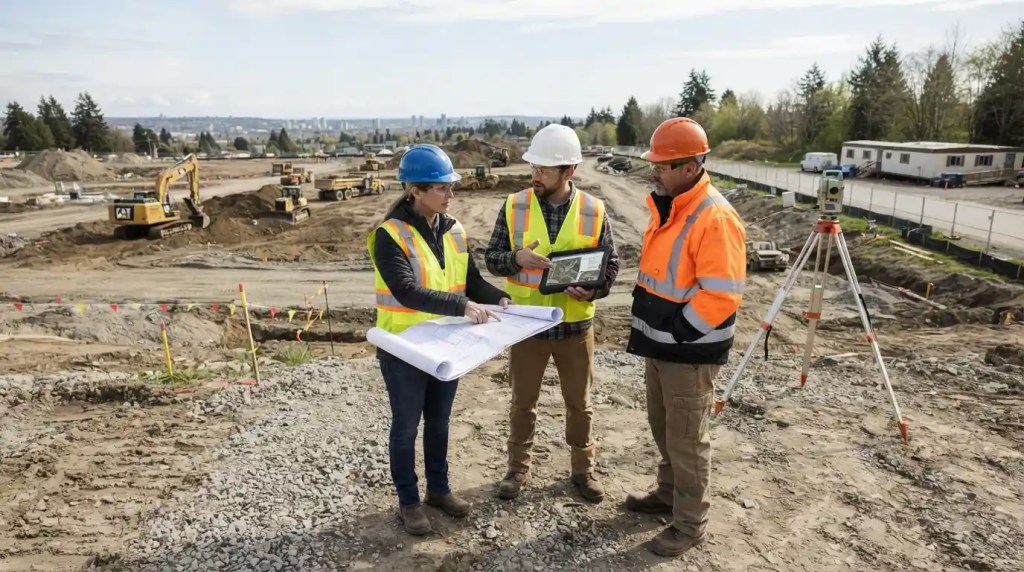
Site preparation is the work done to make a piece of land ready for construction. It typically begins before foundation work and may include clearing the site, surveying existing conditions, testing the soil, grading and leveling the ground, managing drainage, excavating where needed, and creating access for construction equipment.
The exact work depends on the site and the type of project. A commercial or industrial construction project may require more extensive grading, excavation, soil improvement, drainage work, utility coordination, and access preparation than a smaller building project.
Site preparation helps create the site conditions needed for construction to proceed safely and efficiently. It also gives the construction team a better understanding of ground conditions and potential problems before major building work begins.
Site Preparation vs. Excavation
Site preparation and excavation are related, but they are not the same thing. Excavation is one part of site preparation and involves removing or moving soil and other materials to create the required elevations, foundations, utility trenches, drainage systems, or other spaces.
Site preparation is broader. It can include surveying, clearing, soil testing, grading, drainage, access roads, and other work needed to get the site ready for construction. Excavation may be required as part of that process, but not every site preparation project involves the same level of excavation.
Why Is Site Preparation Important?
Site preparation is important because it creates the ground conditions needed for construction to begin safely and efficiently. A site that has not been properly assessed, cleared, graded, or prepared can create problems later in the project, including unstable ground, drainage issues, equipment access problems, delays, and costly rework.
Proper site preparation helps with several key aspects of construction:
- Improves site safety: Clearing hazards, identifying underground utilities, stabilizing the ground, and creating suitable access areas can reduce risks for workers and equipment.
- Creates stable ground conditions: Soil testing and grading help determine whether the site can support the planned construction and whether additional ground preparation is needed.
- Controls drainage: Proper grading and drainage help direct water away from work areas and reduce standing water, erosion, and other moisture-related problems.
- Improves construction efficiency: A prepared site gives workers and equipment better access and creates suitable areas for construction activities and material staging.
- Helps prevent delays: Identifying soil, drainage, access, and utility issues early can reduce unexpected problems once construction is underway.
- Reduces rework and additional costs: Addressing site conditions before construction begins can help prevent problems that would otherwise require changes or corrective work later.
For commercial and industrial projects, these benefits become especially important because sites often involve larger structures, heavier equipment, greater material requirements, and more complex coordination between different construction activities.
What Does Site Preparation Include?
Site preparation includes the work needed to make land suitable for construction. The exact scope varies by project, site conditions, and the type of building being constructed. A typical project may involve clearing the land, surveying and assessing the site, testing the soil, grading the ground, excavating where required, managing water, and preparing access and work areas.
Site Clearing
Site clearing removes vegetation, debris, rocks, unwanted structures, and other obstacles from the construction area. Depending on the site, this may include removing trees and brush, demolishing existing structures, and clearing construction debris.
The goal is to create a clean and accessible work area for surveying, grading, excavation, and other construction activities. Any materials that need to be removed should be handled according to applicable disposal and environmental requirements.
Site Survey and Assessment
A site survey and assessment provides information about the existing conditions before major site work begins. This can include property boundaries, elevations, existing structures, drainage patterns, access points, and the location of known utilities.
The construction team can use this information to identify potential site constraints and plan grading, excavation, drainage, access, and other preparation work. Identifying issues early can help reduce unexpected problems during construction.
Soil Testing
Soil testing helps determine the physical properties and condition of the ground. Depending on the project, testing may examine factors such as soil composition, moisture, density, strength, and bearing capacity.
The results can help engineers and contractors determine whether the existing soil is suitable for the planned construction or whether additional preparation, compaction, or soil improvement may be required.
Grading and Leveling
Grading and leveling shape the ground to the elevations and slopes required for the project. This may involve cutting high areas, placing fill in low areas, and compacting the soil to create suitable ground conditions.
Proper grading also plays an important role in drainage. The finished slopes should direct water where it needs to go and help prevent standing water around construction areas.
Excavation
Excavation involves removing or moving soil and other materials to create the required spaces and elevations for construction. It may be needed for building foundations, utility trenches, drainage systems, underground structures, or other project components.
The amount and type of excavation depend on the site’s existing conditions and the construction plans. Excavated material may be reused as fill when appropriate or removed from the site when it is not suitable for reuse.
Drainage and Water Management
Drainage and water management help control surface water and groundwater during and after site preparation. Work may include grading for proper runoff, installing temporary drainage measures, or preparing permanent drainage systems.
Managing water is particularly important on sites where poor drainage, heavy rainfall, or groundwater could affect soil stability, excavation, equipment access, or construction activities.
Access Roads and Work Areas
Construction sites need suitable routes for workers, delivery vehicles, and heavy equipment. Site preparation may therefore include temporary or permanent access roads, construction entrances, equipment paths, and designated work or material staging areas.
Planning these areas before construction begins helps equipment and materials move around the site safely and efficiently while reducing conflicts between construction activities.
What Materials Are Used for Site Preparation?
The materials used for site preparation depend on the condition of the land, grading requirements, drainage needs, and type of construction. Common materials include fill dirt, gravel, sand, and aggregate. Fill dirt is used to raise low areas, fill excavated sections, and bring the site to the required elevation. Gravel is commonly used for construction entrances, temporary access roads, drainage areas, and other surfaces that need to remain stable under construction traffic. Sand may be used for selected fill, bedding, base, and drainage applications, while aggregate such as crushed stone is often used to create stable bases beneath roads, slabs, foundations, and other construction surfaces.
Topsoil is another common site preparation material, particularly when landscaping or vegetation will be part of the finished project. Suitable topsoil may be removed and stored during grading and other earthwork, then reused for planting areas and landscaping after major construction work is complete. The quality and intended use of the material should be considered before it is reused or brought onto the site.
Geotextiles and other specialized materials may also be used when site conditions require additional separation, reinforcement, filtration, drainage, or soil stabilization. Erosion-control products and drainage materials may be needed on sites with specific environmental or water-management requirements. The right combination of materials depends on the site’s soil conditions, project specifications, drainage requirements, and intended use.
What Equipment Is Used for Site Preparation?
Site preparation requires different types of heavy equipment depending on the size and condition of the site and the work involved. Bulldozers are commonly used to clear land, move large amounts of soil, and rough-grade the site. Excavators are used for digging, trenching, removing material, and handling excavation work around foundations and utilities. Motor graders help create precise slopes and elevations, while loaders move soil, gravel, aggregate, and other materials around the site.
Compaction equipment is used to compact soil and granular materials so the prepared ground can provide the required support and stability. Different types of compactors may be selected based on the soil and project requirements. Dump trucks are used to transport excavated soil, fill, gravel, and other materials to and from the construction site. The equipment selected for a project depends on factors such as site conditions, project size, material quantities, access, and the type of site preparation required.
Site Preparation for Commercial and Industrial Construction
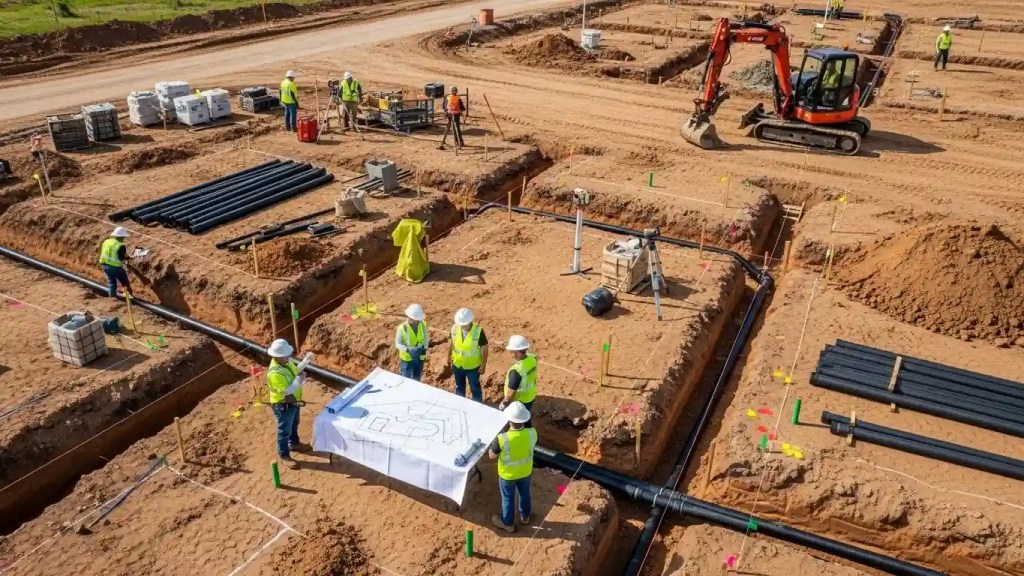
Commercial and industrial construction projects often require more detailed site preparation because of larger structures, heavier equipment, greater material requirements, and more complex site conditions. Preparation work needs to be coordinated with the overall construction plan so the site is ready for foundations, structural work, equipment installation, deliveries, and other project activities.
Planning and Site Access
Planning should account for the site’s layout, existing conditions, construction phases, equipment movement, material deliveries, and available work areas. Proper access routes allow heavy equipment, delivery trucks, and workers to move around the site while maintaining safe separation between construction activities. Temporary access roads, construction entrances, staging areas, and equipment paths may need to be prepared before major work begins.
Equipment and Scheduling
The equipment required for commercial and industrial site preparation depends on the size of the site, soil conditions, grading requirements, excavation needs, and the amount of material that must be moved. Bulldozers, excavators, graders, loaders, compactors, and dump trucks may all be involved. Equipment use and site preparation activities should be scheduled around the overall construction timeline to keep work moving and avoid conflicts between crews, deliveries, and other site operations.
Coordination With Utilities and Other Work
Site preparation must also be coordinated with existing and planned utilities, including water, sewer, electrical, gas, and communications systems. Identifying utility locations before excavation can help prevent damage and unexpected delays. Site preparation may also need to be coordinated with foundation work, drainage installation, structural construction, material deliveries, and other activities so that each phase can proceed in the required sequence.
Site Preparation vs. Earthwork

Site preparation and earthwork are closely related, but they do not cover exactly the same work. Site preparation is the broader process of getting a construction site ready for building and may include clearing, surveying, soil testing, grading, drainage, access preparation, and excavation. Earthwork focuses more specifically on moving, removing, placing, and shaping soil and other earth materials to achieve the required elevations and ground conditions.
The two processes often overlap because earthwork is commonly part of site preparation. Grading, excavation, cutting, filling, and soil compaction may all be required to prepare the site for foundations, utilities, roads, drainage, and other construction activities. On commercial and industrial projects, earthwork is typically planned as part of the larger site preparation process so the ground is ready for the next stages of construction.
Common Site Preparation Challenges
Construction sites can present different challenges depending on the soil, terrain, existing conditions, weather, and project requirements. Poor or unstable soil may require additional testing, compaction, or soil improvement, while uneven terrain can require significant grading, cutting, and filling to create the elevations needed for construction. Existing structures may also need to be removed before work begins. Underground utilities can create additional risks if their locations are not properly identified before excavation, while drainage problems can lead to standing water, erosion, or unstable ground.
Weather can also affect site preparation by slowing work and changing soil conditions, while limited site access can make it difficult to move heavy equipment, materials, and trucks around the property. Unexpected conditions such as buried materials, groundwater, undocumented utilities, or unsuitable soil can also change the original scope of work. Proper site surveys, soil testing, planning, and assessment can help identify potential problems early and reduce delays and unexpected costs.
Safety Considerations During Site Preparation
Safety should be considered throughout site preparation because the work often involves heavy equipment, excavation, moving materials, uneven ground, and active construction traffic. Equipment and pedestrian routes should be planned to reduce conflicts, with workers kept clear of operating machinery whenever possible. Underground utilities should also be identified before excavation begins so crews can avoid damaging existing water, gas, electrical, communication, or other utility lines.
Excavation work requires attention to ground conditions, excavation depth, and the potential for soil movement or collapse. Ground stability should be assessed before and during site work, particularly where excavation, grading, or heavy equipment could affect the surrounding soil. Traffic and site access should also be controlled with clearly planned routes for workers, equipment, and delivery vehicles. Site-specific safety procedures should be established and followed throughout the preparation process.
Environmental and Regulatory Considerations
Site preparation may be subject to environmental and regulatory requirements that vary by project location, site conditions, and the scope of the work. Permits may be required for activities such as grading, excavation, land disturbance, drainage work, demolition, or utility installation. Stormwater management may also be required to control runoff during construction and prevent water from carrying sediment or other pollutants away from the site.
Erosion and sediment control measures can help protect surrounding soil, waterways, and properties during site work. Projects may also need to consider requirements related to protected areas, wetlands, vegetation, waste disposal, or other environmental conditions. Because requirements vary by jurisdiction, contractors and project teams should identify applicable local regulations and permit requirements before site preparation begins and maintain compliance throughout the project.
How Much Does Site Preparation Cost?
The cost of site preparation varies significantly from one construction project to another. There is no single price that applies to every site because the scope of work depends on the size and condition of the property, the type of construction, and the amount of preparation required. Larger sites generally require more equipment, labor, and material, while difficult soil or uneven terrain can increase the amount of grading, excavation, or ground preparation needed.
Other factors can also affect the total cost. Clearing and excavation requirements, drainage work, site access, equipment needs, and labor can all add to the project scope. Location and regulatory requirements may also affect costs through permitting, environmental controls, disposal requirements, and other local conditions. A site assessment and project-specific scope of work are the best way to determine the expected cost of preparing a particular site.
What Research Says About Industrial Site Preparation
A 2019 study published in the IOP Conference Series: Earth and Environmental Science examined site preparation in agro-industrial construction. The researchers, Pavel Oleinik and Tatyana Kuzmina, found that the complexity of preparing an industrial construction site can be influenced by architectural and planning decisions, building density, the amount of engineering and transportation infrastructure, and the number of intersections and connections between these systems.
The study developed a multifactor approach for assessing the complexity of construction site development based on these conditions. This supports the need to evaluate the site’s existing layout, infrastructure, access, and planned construction activities before major site preparation begins. On commercial and industrial projects, understanding these factors can help teams plan the work and coordinate different site activities more effectively.
Need Help Preparing Your Construction Site?
Proper site preparation is an important part of keeping commercial and industrial construction projects safe, efficient, and on schedule. From site clearing and grading to excavation, drainage, access, and equipment coordination, the right preparation can help create better conditions for the work ahead.
Systems West can help with the construction needs of commercial and industrial projects. Contact Systems West to discuss your project and learn how its construction team can support your upcoming work.
Conclusion
Proper site preparation sets the stage for a safe and efficient construction project. From clearing and surveying the site to testing soil, grading the ground, managing drainage, and preparing access areas, each step helps create the conditions needed for construction to move forward. The right materials, equipment, planning, and site assessment can also help identify potential problems before they lead to delays or costly rework.
For commercial and industrial projects, site preparation often requires careful coordination of equipment, utilities, access, drainage, and construction schedules. Working with an experienced construction team like Systems West can help ensure the site is prepared according to the project’s requirements and ready for the next phase of construction.
Frequently Asked Questions
What Is Included in Site Preparation?
Site preparation can include site clearing, surveying, soil testing, grading and leveling, excavation, drainage and water management, and preparing access roads and work areas. The exact scope depends on the site’s existing conditions and the requirements of the construction project.
What Are the Steps in Site Preparation?
The typical steps include assessing and surveying the site, clearing the land, testing the soil, grading and leveling the ground, completing required excavation, managing drainage, and preparing access areas. The sequence can vary depending on the project and site conditions.
What Materials Are Used for Site Preparation?
Common materials include fill dirt, gravel, sand, aggregate, and topsoil. Geotextiles and other specialized materials may also be used for soil separation, reinforcement, drainage, erosion control, or stabilization when site conditions require them.
What Equipment Is Used for Site Preparation?
Common equipment includes bulldozers, excavators, motor graders, loaders, compactors, and dump trucks. The equipment selected depends on the site’s size, terrain, soil conditions, access, and the type and amount of work required.
How Long Does Site Preparation Take?
The time required for site preparation depends on the size of the site, existing ground conditions, weather, access, required grading and excavation, drainage work, and project scope. A simple site may require relatively little preparation, while a large commercial or industrial project can require significantly more time. A site assessment and detailed project plan can provide a more accurate timeline.