

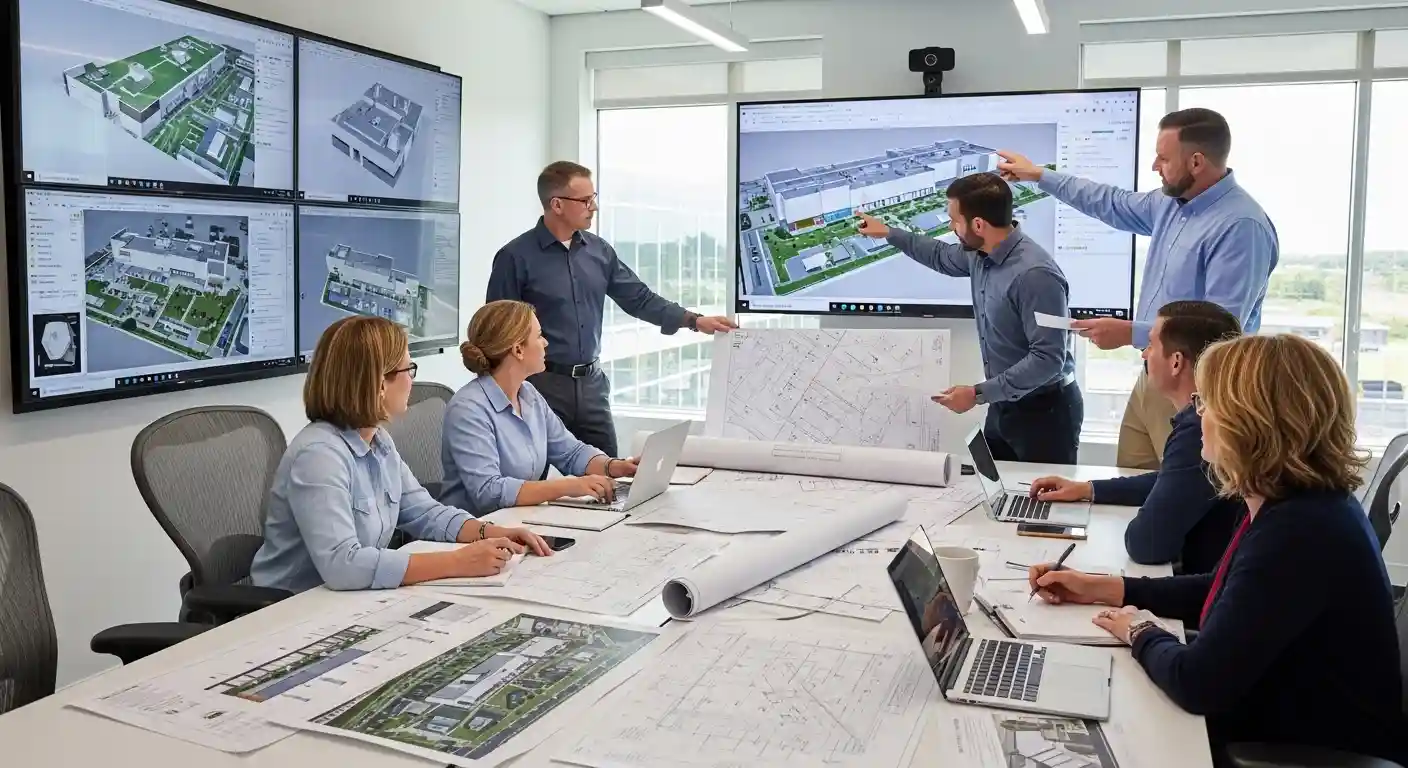
Construction design management controls the design phase of a project. It ensures the design meets the project goals, budget, timeline, and regulatory requirements. Design management focuses on how the design develops before and during construction. It controls drawings, specifications, and technical decisions. The goal is to prevent errors, reduce changes, and improve build quality.
Systems West Inc. ensures smooth project execution in the Midwest through early planning, strong coordination, and modern tools. We focus on compliance, cost control, and risk management to deliver on-time, error-free results.
Why Construction Design Management Is Critical Today?
Construction projects now involve multiple consultants and specialized systems. Modern projects are larger and more technical. Buildings require advanced systems and safety rules. Clients expect faster delivery. Design management improves coordination. It protects budgets, reduces risk and maintains quality. It supports better cost control and schedule planning.
Design management is different from general construction management. Construction management handles the full project. It manages labor and site work. Design management focuses only on design. It ensures the design is complete, accurate, and buildable before construction begins. Without proper design management, projects face confusion and change orders.
The Construction Design Management Process
The Construction Design Management process ensures every project is planned, coordinated, and executed efficiently. It breaks down the design phase into manageable steps to meet goals and avoid delays.
1. Project Definition & Scope Development
This stage defines the project goals. It explains what the project will achieve. The budget is set at this stage. The timeline is also confirmed. Stakeholders list their needs and expectations. Roles and responsibilities are defined. Deliverables are identified. A clear scope prevents confusion later. It reduces changes and delays. Early planning creates stability and direction.
2. Building the Right Design Team
This stage focuses on selecting the right professionals. The team may include architects, engineers, and consultants. Each member has a specific role. Responsibilities are clearly assigned. The design manager coordinates communication. They ensure all team members work toward the same goals. A strong team improves design quality. It also increases efficiency and reduces mistakes.
3. Conceptual & Schematic Design
This phase develops initial layouts and concepts. It evaluates feasibility and site constraints. Preliminary cost estimates are prepared. The design must align with the approved budget. Early coordination reduces later revisions. Early coordination helps avoid major revisions later. This stage sets the direction for detailed design.
4. Design Development & Coordination
The design becomes more detailed. Structural, mechanical, and materials systems are defined. Materials and specifications are selected. Technical requirements are clarified. Regular coordination meetings are conducted. Design conflicts between systems are identified. These conflicts are resolved before construction begins. It reduces costly site problems.
5. Construction Documentation
This stage prepares final drawings and written specifications. These documents guide the contractor. Every detail must be accurate and complete. Contractors rely on these documents to build correctly. Errors or missing details can cause change orders. They can also delay the schedule. The design manager reviews all documents before they are issued. It ensures clarity and consistency.
6. Design Review & Risk Mitigation
This stage focuses on carefully reviewing the design. Stakeholders and experts review the plans. Potential risks are identified early. Technical issues are analyzed. Value engineering may be applied to reduce costs. The team ensures the design meets codes and regulations. This process protects project quality. It reduces financial and legal risks.
7. Construction Support & Administration
Design management continues during construction. The design team responds to RFIs and clarifications. Any design changes are properly reviewed and approved. It ensures the original design intent is maintained.

Core Responsibilities of a Design Manager
The design manager plays a central role in guiding the design process. A design manager protects the project during the design phase.
Managing Design Progress
Managing design progress means tracking the design schedule. The design manager sets milestones and monitors deadlines. Each design stage must be completed on time. Progress is reviewed through regular reports and meetings. If delays appear, corrective action is taken early. It prevents impact on the construction schedule.
Coordinating Multi-Disciplinary Teams
Construction projects involve many consultants. These include architects, structural engineers, and MEP engineers. All teams must work in alignment. The design manager ensures all disciplines coordinate properly. Drawings are reviewed together to avoid clashes. Regular coordination meetings keep everyone informed. Clear communication reduces mistakes and redesign.
Controlling Budget & Design Costs
Design decisions directly affect project cost. Material selection, system choices, and layout changes influence the budget. The design manager carefully monitors these decisions. If a change increases cost, it is reviewed and justified. Value engineering is applied when needed. It means finding cost-effective solutions without reducing quality. Strong cost control during design prevents overruns during construction.
Ensuring Regulatory & Code Compliance
Every project must follow local building codes and safety regulations. Compliance is not optional. The design manager checks that drawings meet all legal requirements. Approvals and permits depend on this review. Failure to meet the codes can result in delays or penalties. Proper compliance review protects the project from legal risk.
Mitigating Design-Related Risks
Design risks include missing details, incorrect dimensions, or system conflicts. The design manager identifies these issues early. Risk assessments help prevent site problems. Early action prevents costly rework and disputes.
Maintaining Document Control & Version Tracking
Design documents go through many revisions. Without control, teams may use outdated drawings. The design manager carefully manages document versions. Only approved drawings are shared with contractors. Clear record-keeping ensures accuracy. It prevents confusion and construction errors.
Design Manager vs. Architect vs. Contractor – Understanding the Differences
A design manager is responsible for controlling the entire design process. This role ensures that all consultants work together in a structured way. The design manager protects the project’s scope, budget, and timeline. They review progress and make sure the design meets project goals.
An architect is responsible for the building’s layout and overall appearance. They focus on space planning, functionality, and visual design. Architects prepare architectural drawings and design concepts. Their work defines how the building looks and functions.
A contractor is responsible for on-site construction. They manage labor, materials, equipment, and daily operations. Contractors build the project based on the approved drawings and specifications.
Each role has a clear purpose. When responsibilities are clearly defined, the project runs smoothly. If roles overlap, confusion and delays can happen. Clear coordination between all parties ensures successful project delivery.

Skills Required for Effective Construction Design Management
A design manager needs a set of key skills to lead projects successfully. These skills include:
- Leadership & Communication – Guiding teams and keeping stakeholders aligned.
- Technical Construction Knowledge – Understanding building systems and drawings.
- Scheduling & Budgeting Expertise – Planning timelines and controlling costs.
- Risk Assessment & Problem Solving – Identifying issues early and finding solutions.
- Proficiency in Design & Construction Software – Using tools like BIM and document systems.
- Decision-Making Ability – Making timely, effective choices during design.
- Collaboration & Coordination – Ensuring all consultants work together efficiently.
The Role of Technology in Modern Design Management
Technology plays a key role in modern design management. It improves coordination, reduces errors, and keeps projects on schedule.
Building Information Modeling (BIM)
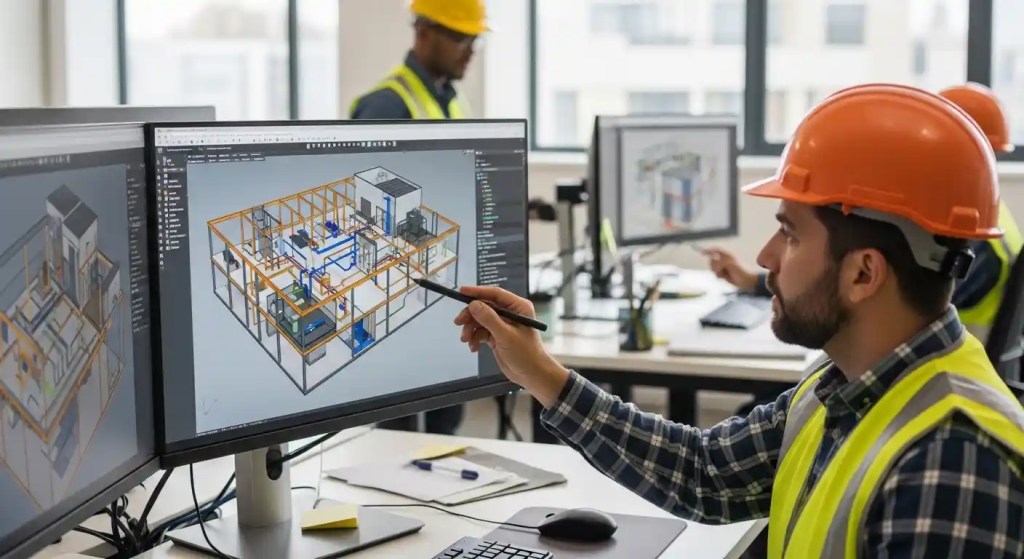
BIM is a digital representation of the building. It helps all teams coordinate designs and systems. It can detect clashes between structural, mechanical, and electrical components before construction. BIM also allows stakeholders to visualize the project clearly, improving understanding and decision-making.
Cloud-Based Collaboration Platforms
These platforms let teams share documents and drawings instantly. Everyone can access the latest updates in real time. It reduces errors and delays caused by outdated information. Collaboration becomes faster and more efficient.
Document Management Systems
A centralized system stores all project documents, approvals, and decisions. It tracks revisions and maintains version control. It prevents mistakes and ensures everyone works from the correct documents.
Real-Time Progress Tracking
Digital dashboards show project milestones and deliverables. Managers can monitor progress continuously. They can spot delays early and make informed decisions quickly. It improves overall efficiency and keeps projects on schedule.
Common Challenges in Construction Design Management
Expert Design Management You Can Trust
Ensure your construction projects in the Midwest stay on time, within budget, and free from costly errors. Partner with Systems WST Inc. We plan early, coordinate clearly, and use modern tools to keep your projects on time, on budget, and hassle-free. Contact us now to streamline your project and achieve guaranteed results.
Conclusion
Construction design management improves project performance. It improves coordination, cost control, and compliance. It reduces risk and delays. Strong design oversight supports quality outcomes. Early planning protects budgets and schedules. Systems WST Inc. delivers structured and reliable design management solutions. Through clear communication, technology integration, and proactive risk control, projects achieve better results.
Frequently Asked Questions
What is the difference between construction management and design management?
Construction management oversees execution. Design management controls the design phase.
When should a design manager be hired?
At the start of project planning.
How does design management reduce project risk?
It finds errors early and ensures compliance.
What software supports design management?
BIM tools, cloud platforms, and document systems.
Is design management necessary for small projects?
Yes. It reduces mistakes and improves efficiency.