

A commercial construction company manages the planning, coordination, and construction of commercial building projects, from design and site preparation to construction and completion. Systems West provides commercial construction, design and planning, crane services, and repair and maintenance to help businesses handle the different requirements of their building projects.
Commercial construction involves coordinating contractors, materials, equipment, schedules, and building requirements to keep the project moving efficiently. Whether you are building a new commercial facility, expanding an existing property, or upgrading an older building, an experienced construction company can help coordinate the work and address challenges throughout the project.
What Does a Commercial Construction Company Do?
A commercial construction company helps turn a business’s building plans into a completed facility. Its role can include coordinating project requirements, contractors, materials, equipment, schedules, and construction activities. The company also helps make sure different parts of the project work together properly and meet the required quality and safety standards.
Planning and Coordinating the Project
Before construction begins, the construction company reviews the project’s requirements and helps organize the work that needs to be completed. This includes coordinating plans, construction activities, schedules, materials, and the teams involved in the project. Good coordination helps identify potential conflicts early and keeps different parts of the project aligned.
Managing Construction Crews and Contractors
Commercial projects often involve multiple contractors and specialized trades. A construction company helps coordinate these crews and makes sure their work is properly sequenced. This can reduce conflicts between trades, prevent unnecessary delays, and help each team complete its work as planned.
Coordinating Materials and Equipment
Materials and equipment need to be available when they are required on the job site. A commercial construction company coordinates deliveries, equipment needs, and construction activities so that missing materials or equipment do not unnecessarily interrupt the work. This is especially important for projects that require specialized equipment or custom components.
Overseeing Quality and Safety
Quality and safety need to be managed throughout construction rather than checked only at the end. The construction company monitors the work, coordinates required inspections, and helps ensure that construction activities follow applicable requirements. Regular oversight can help identify problems early and reduce the risk of rework, safety issues, or quality concerns.
What Services Does a Commercial Construction Company Provide?
Commercial construction companies can provide a range of services depending on the type and needs of a project. These services may cover new construction, project planning, specialized equipment support, and the repair or maintenance of existing buildings. Systems West offers these services to help businesses address both new construction and ongoing building needs.
Commercial Construction
Commercial construction involves building or improving facilities designed for business operations. This can include new commercial buildings, expansions, structural work, and other construction requirements. The work is planned around the building’s intended use, site conditions, structural needs, and other project requirements.
Design, Planning, and Budget Analysis
Design and planning help establish the scope and requirements of a project before construction begins. This can include evaluating the site, developing project plans, reviewing building requirements, and analyzing the budget. Early planning helps identify potential issues and gives the project team a clearer direction before major construction work starts.
Crane Services
Crane services provide the lifting and equipment support needed for certain commercial construction projects. Cranes can be used to move heavy structural components, equipment, and other materials that cannot be safely handled with standard equipment. Proper crane planning helps support efficient material handling and construction activities.
Building Repair and Maintenance
Commercial buildings may require repairs, upgrades, and routine maintenance after construction is complete. These services can address issues with building components and help keep the facility safe, functional, and in good condition. Regular maintenance can also help identify smaller problems before they develop into more extensive repairs.
What Does a Commercial Construction Company Handle Before Construction?
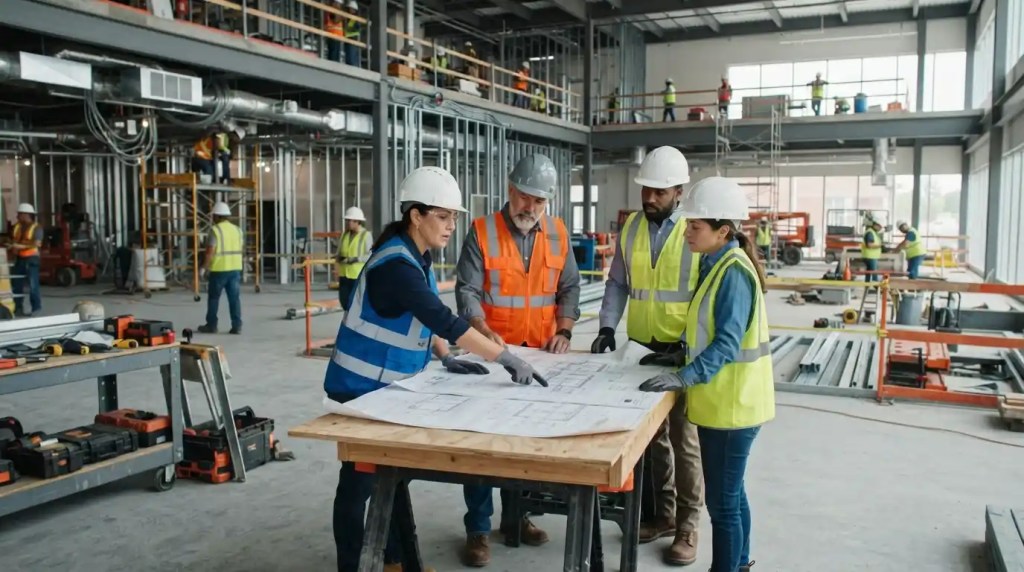
Much of the work that determines whether a commercial construction project runs smoothly happens before construction begins. A commercial construction company helps establish the project’s requirements, review the site, coordinate design information, and plan for the materials and equipment needed to complete the work. Taking care of these details early can reduce unexpected problems once construction starts.
Defining Project Requirements
The project team first needs to understand what the building must accomplish. This includes the facility’s intended use, size, layout, structural needs, equipment requirements, and other business needs. Clearly defining these requirements gives the construction team a reliable basis for planning the project and helps reduce major changes later.
Reviewing the Building Site
The building site should be evaluated before construction work begins. This may include reviewing existing structures, access points, utilities, drainage, ground conditions, and available space for construction activities. Understanding the site early helps the team identify potential obstacles and determine how the project can be carried out safely and efficiently.
Coordinating Design Requirements
Design information needs to match the practical requirements of the project. The construction team may review drawings and specifications to identify structural, equipment, access, and building-system requirements that could affect construction. Early coordination can help identify conflicts before they result in changes or rework on the job site.
Planning Materials and Equipment
The project team determines what materials, equipment, and specialized components will be needed and when they should be available. Items with longer delivery or manufacturing times may need to be identified early so they can be ordered according to the project schedule. Proper planning helps prevent missing materials or equipment from interrupting construction activities.
What Does a Commercial Construction Company Handle During Construction?
Once construction begins, the commercial construction company coordinates the work taking place on the job site. This includes managing different trades, organizing construction activities, tracking progress, and addressing issues that may affect the project. Ongoing coordination helps keep the work aligned with the plans, schedule, and project requirements.
Coordinating Different Trades
Commercial construction projects often involve electricians, plumbers, steel workers, equipment installers, and other specialized trades. The construction company coordinates these teams so their work is completed in the right sequence and does not interfere with other activities. This helps reduce scheduling conflicts and keeps the project moving.
Managing Construction Activities
The construction company oversees the day-to-day activities taking place on the job site. This can include coordinating crews, equipment, material deliveries, and planned work. Keeping these activities organized helps ensure that each part of the project progresses according to the construction plan.
Monitoring Project Progress
Progress needs to be monitored throughout construction to identify delays or problems early. The construction company tracks completed work, upcoming activities, material needs, and other project requirements. Regular monitoring allows the team to address issues before they have a larger impact on the schedule.
Handling Changes and Construction Issues
Changes and unexpected issues can arise during any commercial construction project. Site conditions, material availability, design changes, or coordination problems may require adjustments to the work. The construction company helps evaluate these issues, coordinate the necessary changes, and keep the project moving with minimal disruption.
What Types of Commercial Projects Can a Construction Company Build?
Commercial construction companies can work on many types of business facilities, depending on their experience and capabilities. Projects may range from offices and warehouses to manufacturing facilities, expansions, and renovations. The construction approach is based on the building’s purpose, size, structural requirements, and operational needs.
Office and Business Buildings
Commercial construction companies can build offices and other business facilities designed for employees, customers, and daily operations. Projects may include new office buildings, business centers, and facilities with specialized spaces or equipment. Construction is planned around the building’s layout, systems, and intended use.
Warehouses and Industrial Facilities
Warehouses and industrial facilities often require large open areas, high ceilings, loading areas, storage systems, and equipment access. Construction companies coordinate the structural and building requirements needed to support these operations. Site access and material handling are also important considerations during construction.
Manufacturing Facilities
Manufacturing buildings may require specialized layouts, heavy equipment, structural support, utility systems, and production areas. A commercial construction company coordinates these requirements with the overall building design and construction work. Proper planning helps create a facility that supports the specific needs of the manufacturing operation.
Commercial Building Expansions and Renovations
Construction companies can also expand or renovate existing commercial facilities. This may involve adding new space, modifying layouts, upgrading building components, or improving areas to support changing business needs. Working around an existing building requires careful coordination to minimize disruption to ongoing operations.
When Should You Hire a Commercial Construction Company?
A commercial construction company is useful when a business needs to build, expand, renovate, or significantly improve a commercial facility. Hiring the right team early can help with planning, coordination, materials, equipment, and construction requirements before work begins.
Building a New Commercial Facility
If a business is planning a new office, warehouse, manufacturing facility, or other commercial building, a construction company can manage the work from initial planning through construction. Bringing the construction team in early can help identify site, design, budget, and material requirements before construction starts.
Expanding an Existing Building
Businesses may need additional space as their operations grow. A commercial construction company can help plan and build additions while considering the existing structure, building systems, site conditions, and ongoing business operations. Careful coordination can reduce disruption while the expansion is underway.
Renovating or Upgrading a Facility
Older commercial buildings may need renovations, repairs, structural improvements, or upgrades to support changing business needs. A construction company can coordinate the required work and help manage construction around existing building operations. This can make it easier to improve the facility without replacing the entire building.
What Should You Look for in a Commercial Construction Company?
Choosing a commercial construction company involves more than comparing prices. The right company should have experience with similar projects, offer the services you need, communicate clearly, and have a track record of completing quality work.
Experience With Similar Projects
Look for a construction company that has worked on projects similar to yours in size, type, and complexity. Experience with similar facilities can help the team understand common construction challenges and the requirements of your industry.
Range of Services
A company that offers multiple construction services can make project coordination easier. Depending on your needs, this may include commercial construction, design and planning, budget analysis, crane services, repairs, and maintenance. Having related services available through one company can reduce the need to coordinate with several separate providers.
Project Coordination
Strong project coordination is important when multiple contractors, materials, equipment, and schedules are involved. Ask how the company manages communication, coordinates different trades, tracks progress, and handles issues that arise during construction.
Previous Work and References
Review the company’s previous projects to understand the type and quality of work it delivers. Client references and project examples can also provide useful information about communication, reliability, workmanship, and how the company handles commercial construction projects.
What Are the Benefits of Working With a Commercial Construction Company?
Working with an experienced commercial construction company can make a complex building project easier to manage. Instead of dealing with every contractor, material, schedule, and construction issue separately, businesses can have a coordinated team overseeing the work.
Better Project Coordination
A construction company coordinates the different teams, schedules, materials, and equipment involved in the project. This helps keep each part of the work aligned and reduces conflicts between different activities.
One Team Managing Multiple Construction Needs
Having one construction company manage related project needs can simplify communication and decision-making. It can also make it easier to coordinate construction, planning, equipment support, repairs, and other requirements.
Fewer Communication Gaps
Commercial projects involve many people and companies, so poor communication can lead to mistakes and delays. A central construction team helps keep project information organized and ensures important updates reach the right people.
Better Handling of Construction Issues
Unexpected problems can occur because of site conditions, material delays, design changes, or other factors. An experienced construction company can identify these issues, coordinate the required response, and help limit their impact on the project.
More Consistent Quality and Scheduling
Ongoing oversight helps keep construction work aligned with project requirements and the planned schedule. Regular coordination and monitoring can also help identify quality concerns early and reduce the need for costly rework.
How Does a Commercial Construction Company Help Keep a Project on Track?
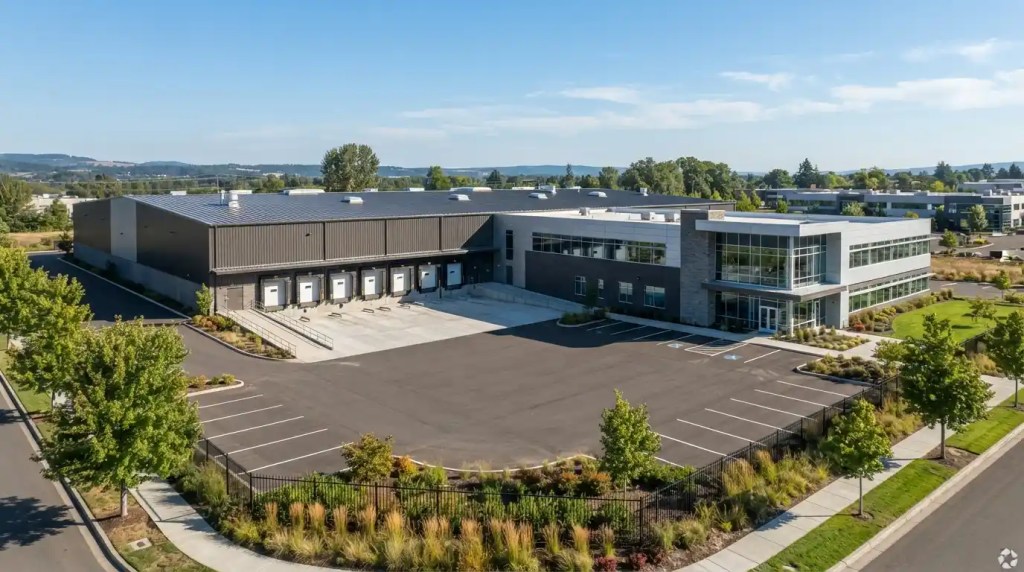
Keeping a commercial construction project on track requires ongoing coordination after construction begins. A commercial construction company monitors the work, communicates with the teams involved, and responds to problems or changes that could affect the schedule, quality, or project requirements.
Coordinating Teams and Schedules
Different contractors and trades need to complete their work at the right time and in the right sequence. The construction company coordinates schedules and activities between these teams to reduce conflicts and keep the work moving.
Identifying Problems Early
Regular oversight helps identify potential problems before they become larger issues. Delays, material shortages, site conditions, or coordination conflicts can be addressed earlier when the construction team monitors progress throughout the project.
Keeping Construction Requirements Aligned
As construction progresses, the work needs to remain aligned with the plans, specifications, building requirements, and intended use of the facility. The construction company helps coordinate these requirements so that different parts of the project continue working together.
Responding to Changes During Construction
Changes may be needed because of design adjustments, unexpected site conditions, material availability, or changing business requirements. A commercial construction company helps coordinate these changes and determines how they can be handled while limiting disruption to the overall project.
Why Choose Systems West for Commercial Construction?
Systems West provides commercial construction services supported by design and planning, budget analysis, crane services, and building repair and maintenance. This range of capabilities allows the team to support different requirements throughout the life of a commercial facility.
For businesses planning a new facility, expanding an existing building, or improving an older property, Systems West can help coordinate the construction work, equipment, materials, and other project requirements. Its experience with complex commercial projects provides a practical approach to managing the challenges that can arise during construction. Contact us to discuss your upcoming project.
Conclusion
A commercial construction company does more than build a facility. It helps coordinate planning, contractors, materials, equipment, schedules, and construction activities to keep the project moving toward completion. The right construction partner can also help businesses manage expansions, renovations, repairs, and unexpected challenges along the way.
For businesses planning a new commercial facility or improving an existing one, choosing an experienced team can make the construction process more organized and easier to manage. Systems West provides commercial construction, design and planning, crane services, and repair and maintenance to support a wide range of commercial building needs.
Frequently Asked Questions
What does a commercial construction company do?
A commercial construction company manages and coordinates the work required to build, expand, renovate, or improve commercial buildings. This can include planning, contractor coordination, materials, equipment, scheduling, quality, and construction activities.
What services does a commercial construction company provide?
Services can include commercial construction, design and planning, budget analysis, crane services, building repairs, and maintenance. The services offered depend on the company’s capabilities and the needs of the project.
Does a commercial construction company handle design?
Some commercial construction companies provide design and planning services or coordinate closely with architects and designers. These services can help align the building design with the project’s budget, site conditions, structural requirements, and intended use.
What types of buildings do commercial construction companies build?
Commercial construction companies can work on office buildings, warehouses, industrial facilities, manufacturing facilities, and other business properties. They may also handle expansions, renovations, and upgrades to existing commercial buildings.
When should you hire a commercial construction company?
You should consider hiring a commercial construction company when planning a new facility, expanding an existing building, or carrying out major renovations or upgrades. Involving the construction team early can help with planning, budgeting, coordination, and identifying potential construction issues.