


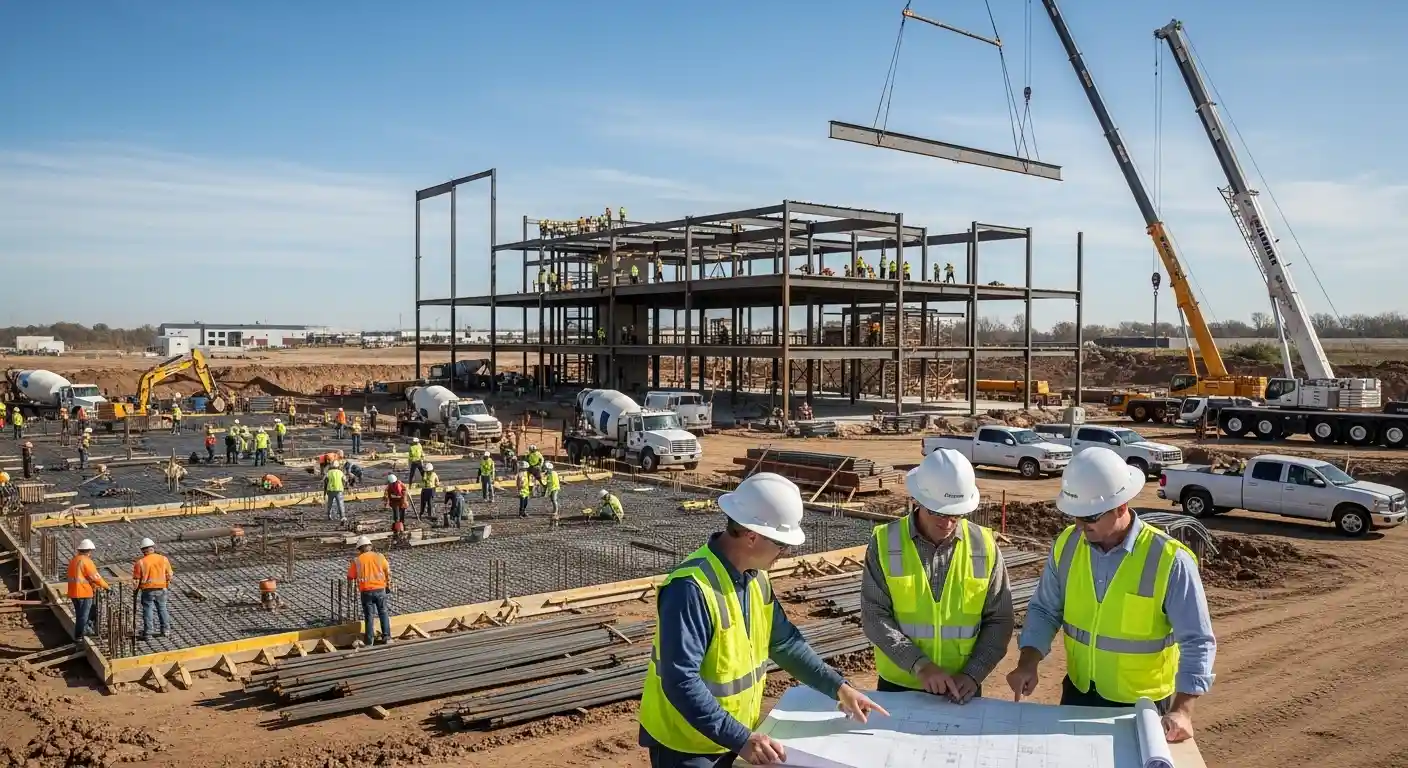
Commercial construction can take anywhere from a few months to more than a year, depending on the project. A small commercial renovation may be completed in a few months, while a larger ground-up office, warehouse, or industrial facility can take a year or longer. The final timeline depends on factors such as building size, design complexity, permitting, site conditions, material availability, and the construction method.
At Systems West Inc., each commercial construction schedule is developed around the specific needs of the project. Planning starts before work begins to coordinate design, approvals, materials, site work, and construction activities. This helps identify potential delays early and gives owners a clearer view of when their building can be completed and ready for use.
How Long Does a Commercial Construction Project Take?
A commercial construction project can take several months to more than a year, depending on the scope and type of building. The total timeline is not limited to the time spent building on site. It can include planning and design, permitting, material procurement, site preparation, structural work, building systems, interior finishes, inspections, and final turnover. Some of these activities can overlap, while others must be completed before the next stage can begin.
Project size and complexity have a major effect on the schedule. A small renovation may move from planning to completion much faster than a new industrial facility. The delivery method, site conditions, approval requirements, availability of materials and equipment, and the number of trades involved can also change the timeline. For this reason, a commercial construction schedule should be developed around the specific project rather than relying on a fixed completion period.
Typical Commercial Construction Timelines by Project Type
The ranges below are general planning estimates rather than fixed completion dates. Actual timelines can vary based on location, project scope, permitting, site conditions, design requirements, and procurement.
| Project Type | Typical Timeline | Main Timeline Drivers |
|---|---|---|
| Small commercial renovation | 2-6 months | Existing conditions, permits, finishes |
| Retail building | 6-12+ months | Site work, tenant requirements, finishes |
| Office building | 8-18+ months | Design, MEP systems, interior build-out |
| Warehouse | 8-18+ months | Site work, structure, enclosure, equipment |
| Industrial facility | 12-24+ months | Structural work, specialized systems, equipment |
These ranges should be treated as starting points for planning, not guarantees. A straightforward project with an uncomplicated site and readily available materials may move faster. Projects with complex designs, extensive approvals, specialized equipment, or difficult site conditions can take considerably longer.
Ground-Up Construction vs. Commercial Renovation
Ground-up construction starts with an undeveloped or prepared site and requires many stages before the building is ready for use. Site work, foundations, structural construction, exterior enclosure, building systems, interior work, inspections, and commissioning all have to be coordinated. Because there is more work involved from the start, a new commercial building generally requires more time than a smaller renovation.
Commercial renovations have a different set of schedule challenges. Existing walls, utilities, structural elements, or building systems may need to be modified rather than installed from scratch. Hidden conditions can also be discovered after work begins, requiring design changes or additional work. When the building remains occupied, construction may also need to be phased around business hours and ongoing operations. As a result, a smaller renovation is not always as simple or predictable as its size might suggest.
How Long Does Each Stage of Commercial Construction Take?
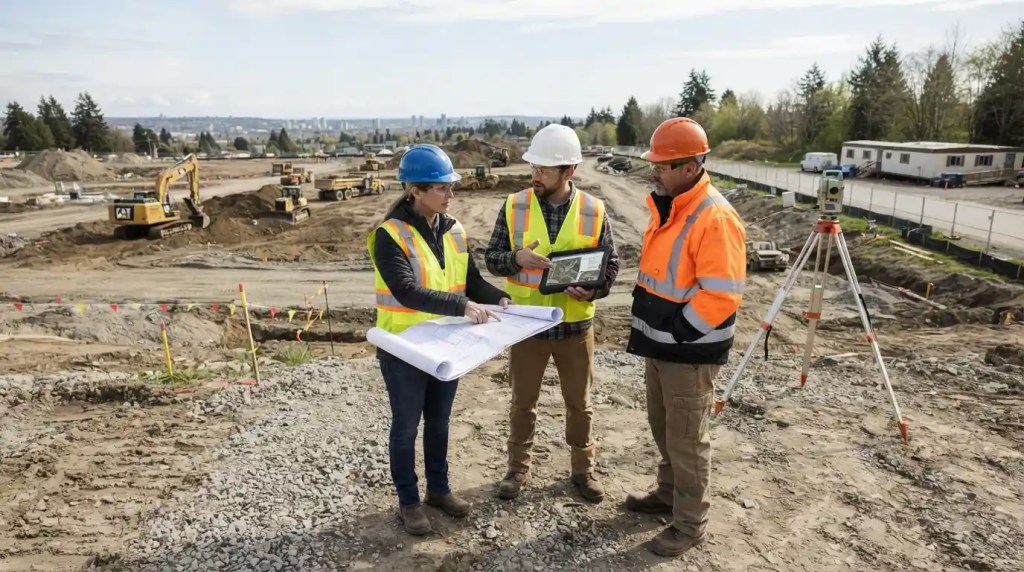
A commercial construction timeline is made up of several connected stages, but they do not always happen one after another. Some activities can overlap to save time, while others depend on earlier work being completed. The amount of time spent in each stage depends on the building type, project scope, site conditions, approvals, materials, and level of coordination required.
Planning, Design, and Pre-Construction
Planning and design establish the scope of the project before physical construction begins. This stage can include site evaluation, architectural and engineering design, budgeting, contractor selection, scheduling, and coordination between project teams. Decisions made here affect nearly every later stage of construction.
Pre-construction also provides an opportunity to identify potential schedule risks before they affect field work. Finalizing major design decisions, coordinating trades, and establishing the construction schedule early can reduce changes and delays once work begins.
Permitting and Approvals
Permits and approvals must be addressed before certain construction activities can move forward. The process may include submitting plans, responding to review comments, obtaining permits, and scheduling required inspections.
The time required depends on the project and local requirements. Revisions or incomplete documentation can extend the approval process, which can push back construction activities that depend on those approvals. Starting the permitting process early can help prevent unnecessary schedule gaps.
Procurement and Long-Lead Materials
Materials and equipment need to be available when the construction schedule calls for them. Common examples include structural steel, HVAC equipment, electrical equipment, doors, windows, and specialized building components.
Long-lead items deserve early attention because their delivery dates can affect work that depends on them. Procurement can often begin while design, permitting, or site preparation is still underway. Coordinating purchasing with the construction schedule helps reduce the risk of having crews or equipment waiting for materials.
Site Preparation and Foundations
Site preparation turns the project site into a workable construction area. Depending on the project, this can include clearing, grading, excavation, utility work, soil preparation, footings, foundations, and slabs.
Site conditions can have a major effect on this stage. Unexpected soil conditions, drainage issues, underground utilities, or changes in site requirements can require additional work. Completing site preparation and foundations properly creates the base for the structural phase.
Structural Construction
Structural construction creates the main framework of the building. Depending on the project, this may involve structural steel, reinforced concrete, columns, beams, framing, floor systems, and other load-bearing components.
Because structural work connects many later activities, it can have a significant effect on the overall commercial construction timeline. Delays in structural work can prevent enclosure, mechanical and electrical installation, and interior construction from progressing as planned.
Building Enclosure and Major Systems
Once structural work allows, the building can begin to take its final exterior form. Roofing, exterior walls, windows, doors, and other enclosure components protect the interior from weather and allow more interior work to proceed.
At the same time, major building systems such as HVAC, electrical, plumbing, and fire protection are installed and coordinated. These systems often require close coordination between multiple trades. The schedule can move more efficiently when work is sequenced so that trades have access to the areas they need without interfering with one another.
Interior Construction and Finishes
Interior construction brings the building closer to operational use. Work may include interior framing, drywall, ceilings, flooring, lighting, fixtures, doors, and other finishes.
The timeline for this stage depends heavily on the building’s size, layout, finish requirements, and number of trades involved. Some interior work can begin while exterior work is still being completed, allowing activities to overlap and reducing the total project duration.
Final Inspections, Commissioning, and Turnover
The final stage confirms that the building and its systems are ready for use. Contractors may complete system testing, inspections, punch-list items, commissioning, and required documentation.
Final approvals can include inspections by local authorities and verification that building systems meet project requirements. Once required work is complete and the necessary approvals are obtained, the project can move toward occupancy and owner turnover. Completing this stage carefully helps prevent small unresolved issues from delaying the building’s opening.
What Determines the Commercial Construction Timeline?
The commercial construction timeline depends on how individual activities connect to one another. A delay in one activity can affect several tasks that follow, especially when the delayed work is part of the critical path. When one task is delayed, work that depends on it may also be pushed back. Understanding these schedule controls helps project teams identify risks early and protect the planned completion date.
The Critical Path
The critical path is the sequence of activities that directly determines how long the project will take. These activities have little or no room for delay without affecting the overall completion date.
For example, structural work may need to be completed before certain exterior or interior work can begin. If a critical activity takes longer than planned, the activities that follow may also move. Tracking the critical path helps project teams focus attention on the work that has the greatest effect on the final schedule.
Long-Lead Materials and Equipment
Some materials and equipment take much longer to manufacture or deliver than standard construction materials. Structural steel, HVAC equipment, electrical components, specialty doors, and custom equipment can all affect the schedule when they have extended lead times.
A project can continue progressing in other areas while these items are being produced or delivered, but work that depends on them may eventually reach a stopping point. Identifying long-lead items early and coordinating their purchase with the construction schedule can reduce this risk.
Trade Sequencing
Commercial construction involves many trades that depend on one another. Electricians, plumbers, HVAC contractors, framers, drywall crews, roofers, and other specialists cannot always work in the same area at the same time.
The schedule must determine when each trade enters the project and which areas are ready for its work. Poor sequencing can create conflicts, idle time, or rework. Good coordination allows trades to move through the project in the right order and keeps work progressing.
Inspections and Approvals
Required inspections and approvals can affect when certain work can continue or when the building can be occupied. Inspections may be needed at different points in the project, depending on the scope and local requirements.
A failed inspection or a required correction can add work that was not included in the original sequence. Final approvals are also important because a building may be physically complete but still unable to open until required inspections and occupancy requirements have been satisfied.
Owner Decisions and Change Orders
Owner decisions can affect the schedule when construction depends on information, selections, or approvals. Changes to layouts, materials, finishes, equipment, or building systems may require design revisions, new pricing, material orders, or additional field work.
Not every change creates a major delay, but changes made after work has started can affect activities that are already scheduled. Making key decisions early and reviewing proposed changes quickly helps the project team understand their effect on the commercial construction timeline before work is disrupted.
What Does Research Say About Commercial Construction Planning Time?
Research on more than 80,000 U.S. commercial construction projects found that the planning period can be substantial, averaging about 16 months across projects and about 26 months when projects are weighted by construction cost. The study also found that larger and more complex projects tended to have longer planning periods. These figures come from projects studied between 1999 and 2010, so they should be viewed as historical research rather than a current construction-time estimate.
Can Commercial Construction Phases Overlap?

Yes. Commercial construction phases can overlap when the project is planned and coordinated to allow multiple activities to move forward at the same time. This can reduce the overall project duration, but not every activity can begin early. Design decisions, approvals, site access, material availability, and trade coordination all affect which activities can safely overlap.
Design and Procurement Can Overlap
Material procurement does not always have to wait until every part of the project is fully designed. Once major specifications and selections are confirmed, certain long-lead materials and equipment can be ordered while other design or coordination work continues.
Starting procurement early can help protect the construction schedule when an item has a long manufacturing or delivery time. The project team must still have enough information to order the correct materials and avoid changes that could result in wasted materials or additional costs.
Procurement Can Start Before Site Work Is Complete
Material and equipment deliveries can be planned while site preparation and foundation work are still underway. This allows materials to arrive when the project reaches the stage where they are needed rather than waiting until site work is completely finished.
The timing must be coordinated carefully. Deliveries that arrive too early can create storage problems or interfere with active site work. Scheduling procurement around site access, storage capacity, installation dates, and other activities helps keep materials moving without creating new delays.
Interior Work Can Begin While Exterior Work Continues
Interior construction can often begin before every exterior activity is finished. Once parts of the building are enclosed and suitable for interior work, trades may be able to start installing framing, electrical, plumbing, HVAC, or finishes in those areas.
This type of overlap allows different parts of the project to progress at the same time. It can be especially useful on larger buildings where completed sections can be turned over to interior trades while exterior crews continue working elsewhere.
Fast-Track Scheduling Can Shorten the Overall Timeline
Fast-track scheduling involves starting certain construction activities before all later-stage design or planning work is complete. Instead of waiting for every project component to reach the same point, the team sequences work so that ready areas can move forward sooner.
Fast-track construction requires strong coordination because changes made later can affect work that has already started. When the design, approvals, procurement, and construction teams are properly coordinated, overlapping activities can reduce idle time and help the project reach completion sooner.
What Are the Key Milestones in a Commercial Construction Schedule?
Milestones mark important points in a commercial construction project and help the project team measure progress against the planned schedule. They also give owners clear points to review whether the project is moving as expected and whether upcoming work is ready to begin.
| Milestone | Why It Matters |
|---|---|
| Design approval | Confirms the project scope and allows the team to move forward with approved plans. |
| Permit approval | Allows permitted construction work to proceed under the applicable requirements. |
| Site ready | Confirms that the site is prepared for physical construction activities. |
| Foundation complete | Allows structural work to progress from the completed foundation. |
| Structural completion | Confirms that the main structural framework of the building is complete. |
| Building enclosed | Provides greater protection for the interior and allows more interior work to progress. |
| MEP completion | Confirms that major mechanical, electrical, and plumbing systems have been installed and coordinated. |
| Substantial completion | Indicates that the building is substantially ready for its intended use, with remaining work generally limited to minor items. |
| Final inspection | Verifies that required construction work and applicable requirements have been addressed. |
| Certificate of occupancy | Confirms that the building can be legally occupied when required by the local authority. |
| Owner turnover | Transfers the completed project to the owner for operational use, along with required documentation and closeout items. |
Tracking these milestones helps identify schedule problems before they affect the final completion date. If a major milestone is missed, the project team can review the cause, adjust upcoming activities, and determine whether other work can be resequenced to limit the impact.
How Can You Keep a Commercial Construction Project on Schedule?
Keeping a commercial construction project on schedule requires regular coordination throughout the build. The goal is not to eliminate every possible delay, but to identify problems early and keep small issues from affecting activities that follow.
Finalize Design Decisions Early
Late design decisions can interrupt work that is already scheduled. Finalizing major layouts, materials, equipment, and finish selections before crews need them reduces the chance of redesign, rework, or waiting on approvals.
When a change is necessary, review its schedule impact before the work is changed. This gives the project team a chance to adjust other activities if needed.
Order Long-Lead Materials Early
Long-lead materials and equipment should be ordered early enough to arrive when the schedule requires them. A delayed HVAC unit, electrical component, structural item, or specialty product can hold up other work that depends on its installation.
Track expected delivery dates against the construction schedule and address potential delays before they affect the field.
Set Clear Project Milestones
Clear milestones give the owner and project team specific points for measuring progress. Important milestones can include structural completion, building enclosure, MEP completion, substantial completion, and final inspections.
If a milestone starts to slip, the team can identify the cause and determine whether upcoming activities can be adjusted to limit the effect on the final completion date.
Coordinate Trades and Deliveries
Multiple trades may need to work in the same building or area during the same period. Poor coordination can leave crews waiting for access, materials, or completed work from another trade.
Coordinate work areas, deliveries, equipment, and installation sequences so crews can enter the project when the space is ready. This helps reduce idle time and avoid conflicts between trades.
Track the Critical Path
The critical path shows which activities have the greatest effect on the final completion date. These activities should receive close attention because even a small delay may affect several tasks that follow.
Regularly reviewing critical activities helps the project team focus its time on issues that could actually move the completion date rather than treating every schedule change as equally significant.
Review Progress Against the Schedule
A construction schedule should be compared with actual progress throughout the project. If work is taking longer than planned, the team can identify the reason and determine what needs to change.
Schedule reviews can also show where work is progressing faster than expected. This may create opportunities to move crews, materials, or other activities forward instead of waiting for the original planned date.
Plan for Known Schedule Risks
Some schedule risks can be identified before they cause problems. These may include seasonal weather, difficult site conditions, material delivery issues, inspections, or working around an occupied facility.
Planning a response to known risks gives the project team options if they occur. The earlier a potential problem is identified, the more opportunities there may be to resequence work or adjust the schedule without delaying the entire project.
Plan Your Commercial Construction Timeline With Systems West
A clear construction timeline helps you understand what needs to happen, when it needs to happen, and where delays could affect your completion date. Systems West works with commercial building owners to coordinate planning, construction activities, materials, trades, and project milestones from start to finish.
If you are planning a commercial construction project in Minnesota, talk with Systems West about your project requirements and timeline. Our team can help you plan the work and coordinate the construction process around your project goals.
Conclusion
There is no single timeline that applies to every commercial construction project. The final completion date depends on the type and size of the building, permitting, site conditions, material availability, trade coordination, and how well the schedule is managed. Some activities can overlap, while others must be completed before the next step can begin.
A well-managed schedule helps owners understand the major milestones, identify risks early, and keep work moving toward completion. By tracking the critical path, coordinating trades and deliveries, and responding quickly to schedule changes, project teams can reduce unnecessary delays and maintain a clearer path to occupancy.
Frequently Asked Questions
How long does it take to build a commercial building from the ground up?
A ground-up commercial building can take roughly 8 months to more than 2 years, depending on the building type, size, design complexity, site conditions, permitting, materials, and building systems. A smaller warehouse or basic commercial building may take less time, while a large office or industrial facility with specialized systems can require significantly longer.
How long does a commercial renovation take?
A commercial renovation may take a few months for a smaller project, while larger or more complex renovations can take a year or longer. The timeline depends on the existing building, amount of demolition and remodeling, required permits, new building systems, finishes, and whether the business needs to remain operational during construction.
What part of commercial construction takes the longest?
There is no single stage that always takes the longest. For many projects, structural construction, building systems, interior work, or the combined design, approval, and procurement process can account for significant portions of the schedule. Project size and complexity determine which activities have the greatest effect on the overall timeline.
What usually causes commercial construction delays?
Common causes include design changes, permit or inspection issues, long-lead materials, unexpected site conditions, weather, trade availability, and coordination problems. Working around an operating business can also add time because construction may need to be completed in phases or during restricted hours.
Can commercial construction be completed faster?
A project may be completed faster when activities are properly coordinated and suitable phases overlap. Early procurement, efficient trade sequencing, fast-track scheduling, and regular schedule reviews can reduce unnecessary waiting time. However, speeding up construction may require additional resources or changes to the planned sequence, and not every project can be accelerated safely or efficiently.