


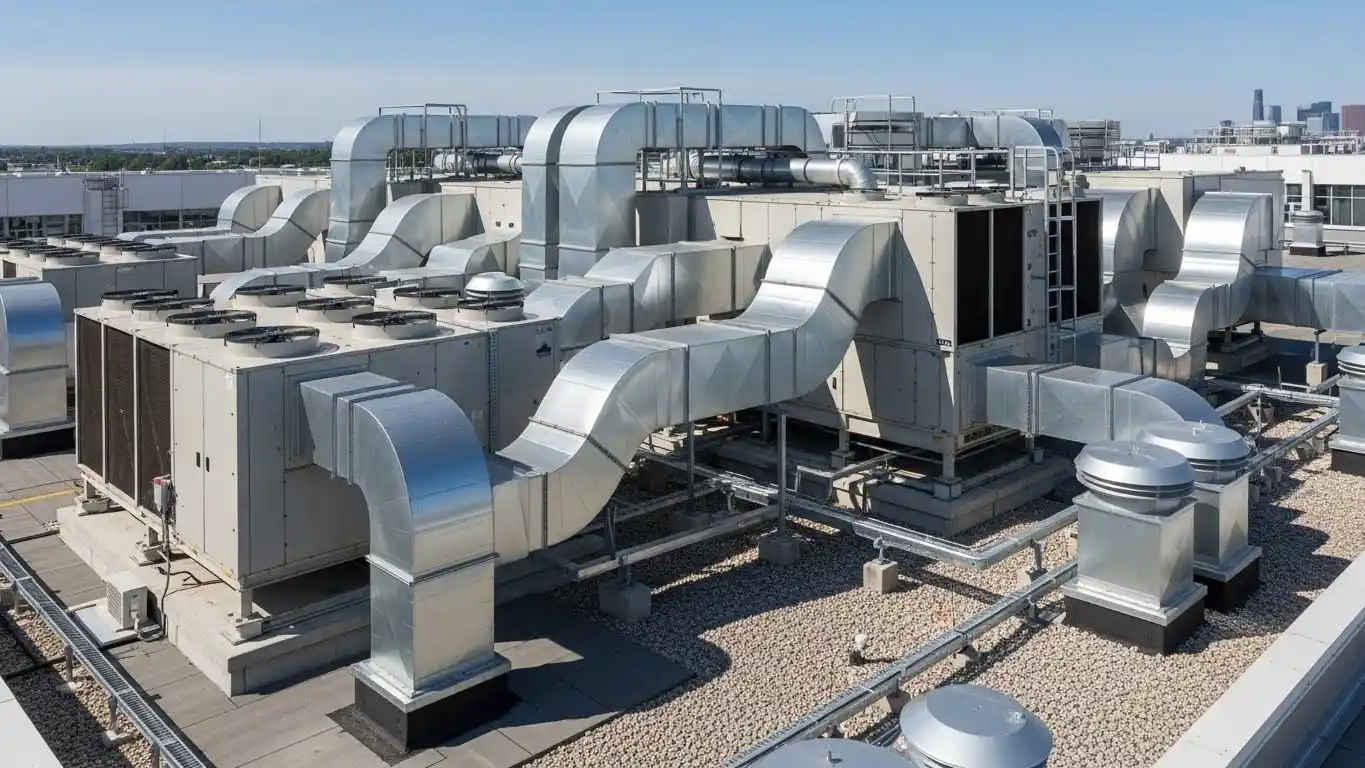
Concrete is a good building material for commercial construction because it provides the strength, durability, fire resistance, and structural flexibility needed for demanding buildings. It can support heavy loads, withstand daily wear, and serve as a long-lasting material for foundations, floors, walls, columns, parking areas, and other parts of a commercial structure. Its low maintenance needs can also help support long-term building performance.
At Systems West, we use our commercial construction experience to plan and build structures around the specific demands of each project. The right material depends on factors such as building use, structural requirements, site conditions, design, budget, and expected service life. Concrete can be a strong choice when a project requires durable construction that can handle heavy use over many years.
Why Is Concrete Used in Commercial Buildings?
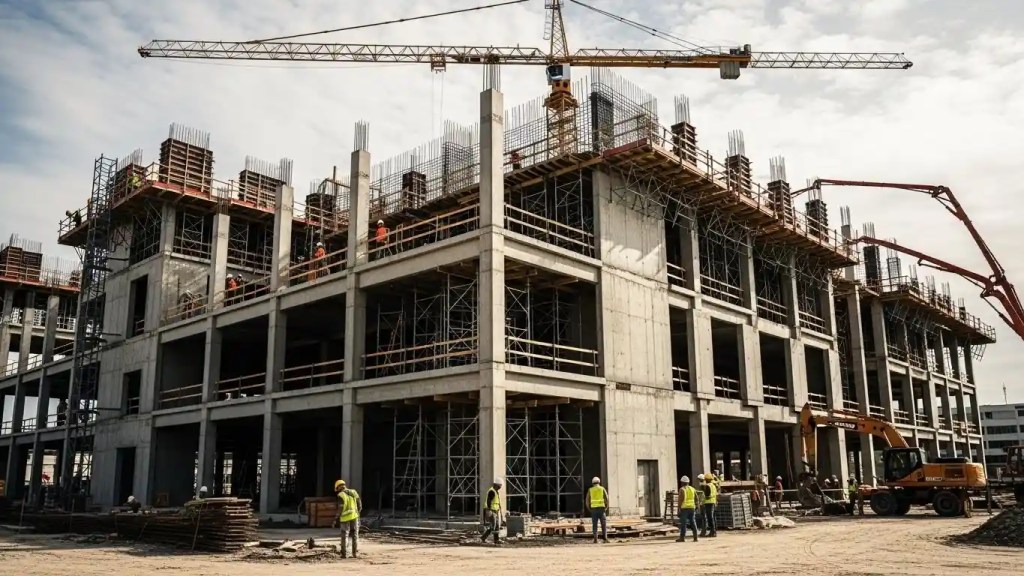
Concrete is widely used in commercial buildings because it can meet demanding structural and operational requirements. Commercial facilities often need to support heavy equipment, high foot traffic, stored materials, and daily activity while maintaining safe and reliable performance. Concrete’s strength, durability, fire resistance, low maintenance needs, and flexibility make it suitable for many types of commercial construction.
Strength for Heavy Commercial Loads
Concrete has high compressive strength, which allows it to support substantial loads when properly designed and reinforced. This makes it useful for foundations, floors, columns, structural walls, and other parts of commercial buildings that must handle the weight of the structure, equipment, inventory, and occupants. Reinforced concrete can also provide additional structural capacity where tensile forces need to be addressed.
Long-Term Durability
Properly designed and constructed concrete can provide long service life with relatively low deterioration under normal conditions. It can withstand regular foot and vehicle traffic, heavy use, weather exposure, and other demands found around commercial facilities. The actual lifespan depends on factors such as the concrete mix, reinforcement, construction quality, exposure conditions, and maintenance.
Fire Resistance and Safety
Concrete is noncombustible and can provide significant resistance to fire, making it useful in commercial buildings where fire safety is a major design consideration. Concrete’s fire performance depends on factors such as its thickness, composition, reinforcement, structural design, and the specific building assembly. These characteristics can help projects meet applicable fire-resistance requirements when concrete is designed and constructed according to the required building codes.
Low Maintenance Requirements
Concrete generally does not require frequent surface treatment or replacement when it is properly designed, installed, and maintained. Commercial floors, foundations, parking areas, and other concrete elements can continue serving their intended purpose with routine inspections, cleaning, and repairs when needed. Maintenance requirements still vary based on traffic, exposure, drainage, loading, and the quality of the original construction.
Flexible Design and Structural Applications
Concrete can be formed into different shapes and used in many structural and nonstructural applications. Contractors can use reinforced concrete for foundations, slabs, columns, walls, loading areas, and other building components based on the project’s design requirements. This flexibility allows concrete to be incorporated into commercial buildings with different layouts, sizes, structural systems, and functional needs.
Where Is Concrete Used in Commercial Building Construction?
Concrete is used throughout commercial construction, from the foundation that supports a building to the floors, walls, and other structural elements above it. Its applications vary based on the building’s size, design, intended use, site conditions, and structural requirements.
Foundations and Footings
Concrete is commonly used for foundations and footings because these components transfer the building’s loads into the ground. Reinforced concrete foundations can be designed to support different structural loads and site conditions. Depending on the project, concrete may be used for spread footings, foundation walls, slabs-on-grade, and other foundation systems.
Floors and Slabs
Concrete slabs provide durable surfaces for commercial buildings that experience regular foot traffic, equipment movement, vehicle traffic, or stored materials. They are commonly used for warehouse floors, retail spaces, office buildings, manufacturing facilities, and other commercial areas. The slab design can vary based on expected loads, soil conditions, drainage requirements, and the building’s intended use.
Columns and Structural Walls
Reinforced concrete can be used for columns and structural walls that support and transfer loads through a building. These elements can form part of a building’s structural system and help support floors, roofs, and other components. Concrete structural walls may also be used where the design requires additional strength or resistance to lateral forces.
Parking Structures and Loading Areas
Concrete is commonly used in parking structures, parking decks, ramps, loading docks, and other areas exposed to vehicles and heavy traffic. These spaces require surfaces that can handle repeated loading and movement. Proper design, drainage, reinforcement, joints, and maintenance are important for long-term performance in these applications.
Industrial and Warehouse Buildings
Industrial and warehouse facilities often use concrete for foundations, floors, loading areas, equipment pads, and other structural components. Warehouse floors may need to support forklifts, heavy storage systems, machinery, and high volumes of daily traffic. Industrial facilities may also require concrete surfaces and structures designed around specific equipment, production processes, and operational demands.
Office, Retail, and Mixed-Use Buildings
Concrete is also used in office, retail, and mixed-use buildings for foundations, structural elements, floors, parking areas, and other parts of the building. The specific applications depend on the building’s design and use. In larger or multi-story commercial projects, concrete may be combined with steel or other materials to create a structural system suited to the project’s requirements.
What Does Research Say About Concrete as a Building Material?
Research by Christian Meyer of Columbia University highlights both the environmental challenges and potential sustainability benefits of concrete construction. In his 2005 paper, “Concrete as a Green Building Material,” Meyer discusses how the use of supplementary cementitious materials, recycled aggregates, improved durability, and longer service life can help reduce some of the environmental impacts associated with concrete. The research also notes that extending the service life of concrete structures can reduce the need for replacement materials over time. These findings support considering material selection, durability, and construction practices when evaluating the long-term performance of concrete in commercial buildings.
Reference: Meyer, C. (2005). Concrete as a Green Building Material.
Concrete vs. Steel for Commercial Buildings

Concrete and steel are both widely used in commercial construction, and many buildings use a combination of the two. The right choice depends on factors such as structural loads, building height, design, fire-resistance requirements, construction schedule, site conditions, and maintenance needs. Comparing their structural performance and practical requirements can help project teams determine which material or combination fits a specific building.
Structural Performance and Load Capacity
Concrete performs well under compression and is commonly reinforced with steel to handle tensile forces. Reinforced concrete can be used for foundations, slabs, columns, walls, and other structural components that support significant building loads. Steel has a high strength-to-weight ratio and can span long distances with relatively lightweight structural members, making it useful for large open spaces and structures where long spans are needed.
Fire Resistance
Concrete is noncombustible and can provide substantial fire resistance as part of a properly designed building assembly. Its fire performance depends on factors such as thickness, composition, reinforcement, and exposure conditions. Steel is also noncombustible, but its strength can decrease at elevated temperatures, so structural steel may require fire protection such as coatings, encasement, or other approved systems to meet the required fire-resistance rating.
Durability and Corrosion
Concrete can provide long-term performance when it is properly designed, placed, cured, and maintained. However, concrete can crack and reinforcement can corrode when moisture and other exposure conditions are not properly addressed. Steel structures can also provide long service life, but exposed or inadequately protected steel may be vulnerable to corrosion. Protective coatings, proper detailing, drainage, and maintenance can help reduce corrosion risks.
Construction and Maintenance
Construction requirements differ between concrete and steel. Concrete construction involves forming, reinforcing, placing, finishing, and curing the material, while structural steel is typically fabricated and then assembled on site. Project schedules, weather, access, labor, equipment, and building design can affect how each material fits the construction process. Maintenance requirements also depend on the building’s exposure, finishes, structural system, and quality of construction.
When Concrete or Steel May Be More Suitable
Concrete may be suitable when a project requires substantial mass, durable floors, foundations, structural walls, or specific fire-resistance characteristics. Steel may be suitable when the design calls for long spans, lighter structural framing, or rapid assembly of fabricated components. Commercial buildings can also combine both materials, such as steel framing with concrete floors or reinforced concrete foundations supporting a steel structure.
Concrete vs. Steel: Quick Comparison
The following table summarizes the key differences between concrete and steel across common decision factors for commercial construction:
| Factor | Concrete | Steel |
|---|---|---|
| Structural performance | Strong in compression; reinforced concrete can support substantial structural loads | High strength-to-weight ratio and well suited to long spans and structural framing |
| Fire resistance | Noncombustible and can provide significant fire resistance depending on the assembly | Noncombustible, but may require fire protection to maintain required structural performance during fire exposure |
| Durability | Can provide long service life when properly designed, constructed, and maintained | Can provide long service life when properly protected and maintained |
| Maintenance | Typically requires inspection and repair of cracks, joints, surfaces, and other exposed elements as needed | May require inspection and maintenance of coatings, connections, and areas vulnerable to corrosion |
| Common applications | Foundations, slabs, floors, structural walls, columns, parking structures, and other concrete components | Structural frames, beams, columns, long-span structures, and buildings requiring fabricated steel framing |
Is Concrete Cost-Effective for Commercial Buildings?
Concrete can be a cost-effective choice for commercial buildings, but the overall cost depends on the project rather than the material alone. Initial construction costs, labor, site conditions, structural requirements, maintenance, and expected service life all affect the final value of a concrete building. Looking at both upfront and long-term costs gives project owners a clearer picture of whether concrete fits their budget and building requirements.
Initial Construction Costs
The initial cost of concrete construction includes materials, reinforcement, forming, labor, equipment, placement, finishing, and other project requirements. The total can vary based on the size and design of the building, concrete specifications, site conditions, and local labor and material costs. Comparing concrete with other structural systems should account for the complete construction scope rather than comparing material prices alone.
Maintenance and Repair Costs
Concrete can require relatively little routine maintenance when it is properly designed and constructed, but it is not maintenance-free. Commercial buildings may need inspections and repairs for cracks, joints, surface damage, water exposure, or other issues that develop over time. Regular maintenance can help address minor problems before they require more extensive repairs.
Service Life and Replacement
The long service life that properly designed concrete can provide may affect the overall cost of a commercial building. A material that remains functional for many years can reduce the need for major replacement or reconstruction of certain building components. However, actual service life depends on construction quality, environmental exposure, building use, maintenance, and the design of the concrete system.
Project-Specific Cost Factors
The cost-effectiveness of concrete depends on the specific commercial project. Building size, structural design, soil conditions, site access, labor availability, construction schedule, material specifications, local building requirements, and expected building use can all influence costs. For this reason, concrete should be evaluated as part of the complete structural and construction plan rather than based on material cost alone.
What Are the Limitations of Concrete in Commercial Construction?

Concrete offers several advantages for commercial buildings, but it also has limitations that should be considered during project planning. Its weight, construction process, cost factors, and potential for cracking can affect how it is designed and used.
Weight and Structural Requirements
Concrete is heavier than many other structural materials, including steel framing. This added weight can affect foundation design, structural requirements, transportation, and material handling. Engineers need to account for the building’s loads, soil conditions, structural system, and site requirements when designing a concrete structure.
Construction Time
Concrete construction can require more time for forming, reinforcement, placement, finishing, and curing before certain components are ready for the next stage of work. Weather and site conditions can also affect placement and curing. Project scheduling should account for these requirements when concrete is a major part of the construction system.
Material and Labor Costs
Concrete construction costs include more than the concrete itself. Reinforcement, formwork, labor, equipment, transportation, finishing, and site conditions can all affect the total project cost. Depending on the building design and construction schedule, another structural system may have different cost or scheduling requirements.
Cracking and Maintenance Considerations
Concrete can develop cracks because of shrinkage, temperature changes, settlement, loading, moisture, or other factors. Cracking does not always indicate structural failure, but significant or recurring cracks should be evaluated to determine the cause. Proper design, construction, drainage, joint placement, inspection, and maintenance can help manage these issues over the life of the building.
When Is Concrete the Right Choice for a Commercial Construction Project?
Concrete may be a suitable choice for commercial projects that require strength, durability, and reliable performance under heavy use. It can work well for buildings with heavy structural loads, high-traffic floors, warehouses, industrial facilities, parking areas, and loading spaces. Concrete is also useful where fire resistance and a long expected service life are important considerations.
The choice also depends on the project’s design, site conditions, budget, construction schedule, and maintenance goals. Concrete can support different structural and design requirements through applications such as foundations, slabs, columns, and structural walls. A commercial construction team should evaluate these factors together with other available materials to determine the most suitable system for the building.
How Systems West Helps With Commercial Construction
Planning a commercial building requires the right approach to materials, structural requirements, site conditions, and construction needs. Systems West brings experience in commercial construction and can help evaluate project requirements, plan the work, and coordinate construction from the early stages through completion.
If you are planning a commercial or industrial construction project, contact Systems West to discuss your building requirements and explore the right construction approach for your project.
Conclusion
Concrete remains a widely used building material in commercial construction because it can provide strength, durability, fire resistance, and flexibility across many building applications. From foundations and floors to structural walls, parking areas, warehouses, and other commercial facilities, concrete can meet a range of structural and operational requirements when properly designed and constructed.
The right material depends on the building’s design, site conditions, budget, construction schedule, and long-term needs. Systems West can help commercial and industrial project owners evaluate these requirements and plan a construction approach suited to their project.
Frequently Asked Questions
Why is concrete used in commercial buildings?
Concrete is used in commercial buildings because it provides strength, durability, fire resistance, and flexibility for applications such as foundations, floors, columns, walls, and parking areas.
Is concrete a good building material for commercial construction?
Concrete can be a good building material for commercial construction when the project requires durable structural components, heavy load capacity, fire resistance, and a long expected service life.
Is concrete stronger than steel for commercial buildings?
Concrete and steel have different structural properties, so neither material is universally stronger for every commercial building. Concrete performs well in compression, while steel has a high strength-to-weight ratio and is well suited to structural framing and long spans.
What is concrete used for in commercial construction?
Concrete is commonly used for foundations, footings, floors, slabs, columns, structural walls, parking structures, loading areas, equipment pads, and other commercial building components.
Is concrete cost-effective for commercial buildings?
Concrete can be cost-effective depending on the project’s design, construction costs, maintenance needs, expected service life, site conditions, and structural requirements. The total project and lifecycle costs should be considered rather than the initial material price alone.