


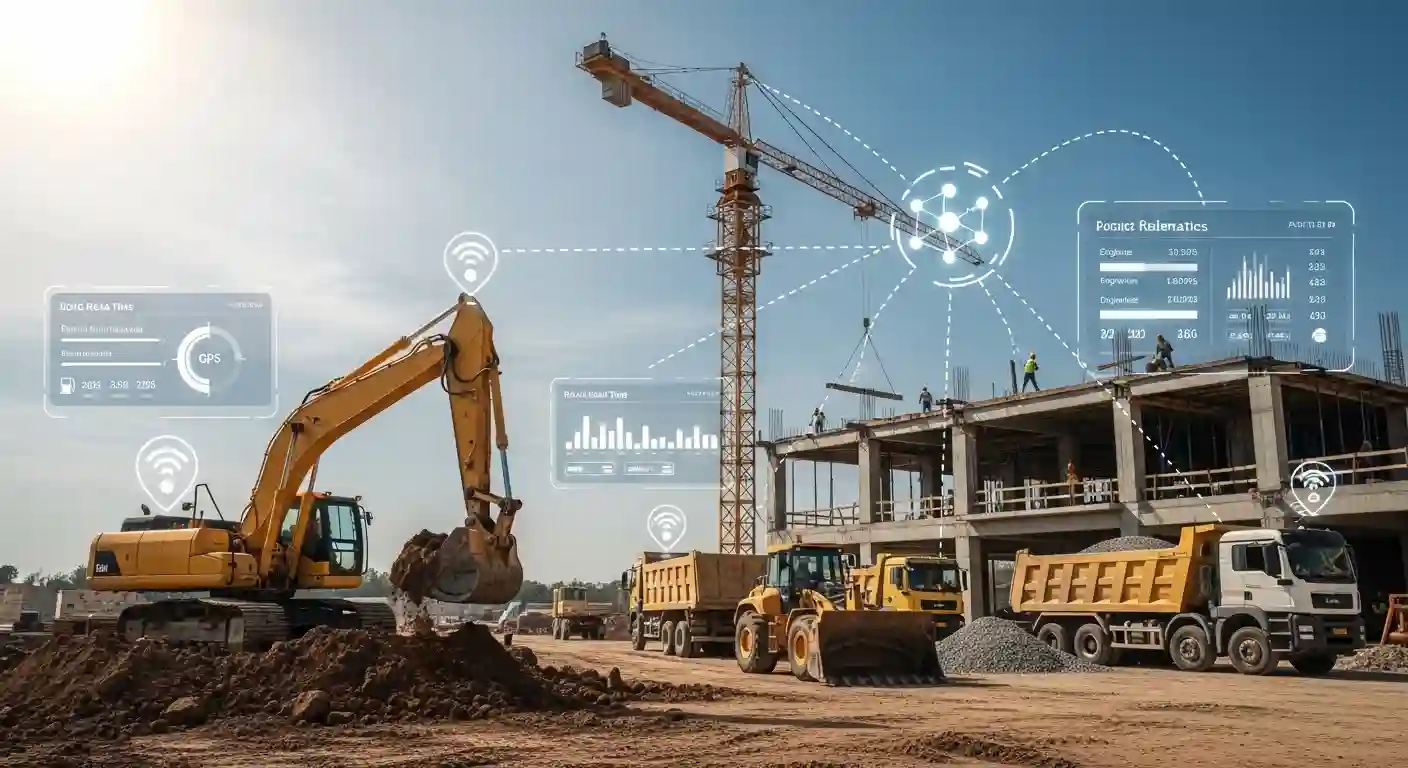
The main pros of telematics in construction are better equipment tracking, improved fleet visibility, more efficient equipment use, reduced idle time, and more proactive maintenance. The main cons include upfront and ongoing costs, installation and setup requirements, connectivity limitations, data management, and the need to train employees to use the system effectively.
Systems West understands that construction equipment needs to work efficiently and reliably across demanding jobsites. Telematics can give contractors useful information about equipment location, operating hours, fuel use, maintenance needs, and utilization, but the value depends on how that data is used. Understanding the advantages and disadvantages can help contractors decide whether telematics is a practical fit for their fleet.
What Is Telematics in Construction?
Construction telematics is a technology system that collects and sends information from construction equipment to a connected software platform. It typically combines GPS tracking, machine sensors, wireless communication, and cloud-based software to give contractors information about where equipment is located, how it is being used, and what is happening with the machine.
Instead of relying only on manual equipment logs or checking machines at the jobsite, telematics can collect data automatically while equipment is operating. Contractors can then view that information through a dashboard or fleet management system and use it to monitor equipment across one or multiple jobsites.
How Does Construction Telematics Work?
Construction telematics starts with equipment fitted with GPS devices, sensors, or built-in telematics technology. These systems collect information from the machine, such as its location, engine hours, operating activity, and diagnostic data. The information is then transmitted through a cellular or other wireless connection to a software platform.
The platform organizes the incoming data into dashboards, reports, alerts, or other tools that contractors can access. In simple terms, the process works like this:
Equipment → sensors/GPS → cellular or wireless connection → software platform → contractor
The exact information available depends on the equipment, manufacturer, telematics system, and connected sensors. Newer machines may have telematics built in, while older equipment may require an aftermarket tracking or monitoring device.
What Does Construction Telematics Track?
The information collected by a telematics system varies by machine and system, but common data points include:
- Equipment location: GPS data can show where a machine is located and, depending on the system, its movement between jobsites.
- Engine hours: Operating hours can help contractors understand machine use and plan maintenance based on actual usage.
- Fuel use: Supported equipment and systems can provide information about fuel consumption and related activity.
- Machine utilization: Telematics can show how frequently and for how long equipment is being used.
- Idle time: Systems can identify periods when equipment is running without performing productive work.
- Maintenance data: Engine hours, service information, and machine alerts can help teams monitor maintenance requirements.
- Equipment movement: Location data can provide visibility into when equipment moves from one place to another.
- Diagnostic information: Connected machines may send fault codes, engine information, and other diagnostic data.
- Operator or machine activity: Depending on the equipment and system, telematics may provide information about machine operation or operator activity.
The goal is not simply to collect more equipment data. The value comes from turning that information into useful visibility for fleet managers, equipment managers, and contractors.
What Are the Benefits of Telematics in Construction?

The benefits of telematics in construction come from having more timely information about equipment and fleet activity. Instead of relying only on manual logs, phone calls, or periodic equipment checks, contractors can use connected machine data to see where equipment is, how it is being used, and when it may need attention. This can support better decisions about equipment, maintenance, fuel use, and jobsite coordination.
Better Equipment Visibility
Telematics can give contractors a clearer view of where equipment is located and how it is being used. GPS information can help teams locate machines across multiple jobsites, while machine data can show whether equipment is operating, idle, or inactive.
This visibility is especially useful for contractors managing equipment across several projects. Rather than relying on employees to report a machine’s location or status manually, fleet managers can access the available information through a central system.
Improved Equipment Utilization
Telematics can help contractors identify equipment that is being used less than expected or spending too much time idle. Usage data can show how often a machine operates and how many hours it spends working compared with sitting unused.
This information can help managers review whether equipment is being allocated effectively. For example, a machine that remains underused on one project may be available for another job, reducing the need to purchase or rent additional equipment when existing resources are available.
More Proactive Equipment Maintenance
Equipment data can support a more proactive approach to maintenance. Engine hours, diagnostic information, service intervals, and machine alerts can give maintenance teams a better understanding of when equipment may need inspection or service.
Instead of relying entirely on calendar-based reminders or waiting for a machine problem to become obvious, contractors can use available operating data to plan maintenance around actual equipment use. This can help teams schedule service and address potential issues before they result in unexpected downtime.
Reduced Fuel Waste and Idle Time
Excessive idling can consume fuel without producing useful work. Telematics can track idle periods and, on supported equipment, provide information about fuel consumption and operating conditions.
Contractors can use this information to identify machines with unusually high idle time or fuel use. Once those patterns are visible, managers can review equipment use and operating practices to determine where changes may reduce unnecessary fuel consumption.
Better Fleet Management
Managing a construction fleet becomes more difficult as the number of machines and jobsites increases. Telematics can bring equipment location, operating hours, utilization, maintenance information, and other available data into one system.
A centralized view can reduce the need to maintain separate manual records for every machine. Fleet managers can use the available information to monitor equipment and identify issues without having to check every machine individually.
Improved Jobsite Planning and Coordination
Equipment availability and location data can help contractors coordinate machines between jobsites. Knowing where equipment is located and whether it is currently being used can provide useful information when planning upcoming work.
For example, if a project needs a particular machine, managers can check available fleet information before arranging another rental or moving equipment from another location. This can make equipment scheduling more informed, particularly when several projects are operating at the same time.
Better Equipment Security
GPS-based telematics can provide additional visibility into equipment movement. Depending on the system, contractors may be able to receive location information or alerts when equipment moves outside an expected area or during unusual hours.
This does not eliminate the risk of equipment theft, but it can give contractors another way to monitor machines and identify unexpected movement. Location information can also help teams determine where equipment was last reported if a machine goes missing.
What Does Research Say About Construction Telematics?
Research published in the Journal of Computing in Civil Engineering examined how telematics data can support construction equipment fleet management. The study looked at telematics data from dozers, excavators, backhoes, and dump trucks and focused on two practical applications: assessing how equipment is used across a fleet and monitoring equipment health. The findings show how equipment data can be used to provide useful information for fleet-management decisions, rather than simply collecting machine data.
This research also highlights an important point about telematics: collecting equipment data is only the first step. Contractors and fleet managers still need effective ways to interpret that information and use it for decisions about equipment utilization, maintenance, and fleet performance. This makes the quality of data analysis and the processes built around telematics just as important as the technology itself.
What Are the Disadvantages of Telematics in Construction?
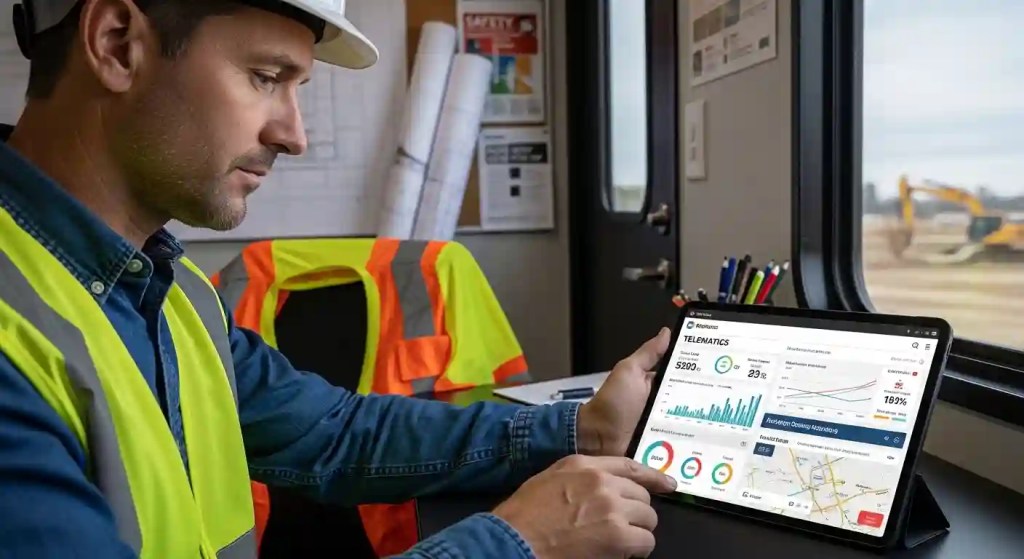
Telematics can provide useful equipment and fleet information, but it also has limitations that contractors should consider before implementing a system. The total cost, equipment compatibility, connectivity, data management, and employee adoption can all affect how much value a company gets from telematics.
Upfront and Ongoing Costs
Telematics can involve more than the initial cost of a tracking device. Depending on the system and equipment, contractors may need to account for hardware, installation, software subscriptions, cellular connectivity, and ongoing system costs. Devices may also need to be repaired or replaced over time.
For a small fleet, these costs may need to be weighed against the specific problems the system is expected to address. Contractors should look at both the initial investment and recurring costs when comparing telematics solutions.
Implementation Can Take Time
Adding telematics to a fleet is not always as simple as installing a device and immediately receiving useful information. Equipment may need hardware installation, software configuration, account setup, and connections between machines and the telematics platform.
Companies also need processes for reviewing the information and responding to alerts. Without a clear plan for how the data will be used, a telematics system may collect information without becoming part of the company’s normal fleet-management process.
Too Much Data Can Become Difficult to Manage
A telematics system can provide a large amount of information about equipment. While having more data can be useful, reviewing every available metric can make it harder to identify the information that actually matters.
Contractors may need to focus on a smaller set of useful measurements, such as utilization, idle time, engine hours, maintenance alerts, or equipment location. Clear dashboards and regular reporting can make the information easier for managers to interpret and act on.
Connectivity Can Affect Data Availability
Telematics systems often depend on cellular, satellite, or other wireless connections to transmit equipment data. Construction equipment may operate in remote areas, large sites, underground locations, or other places where connectivity is limited.
When a machine cannot maintain a connection, information may not be available in real time. Depending on the system, some data may be stored on the device and transmitted once a connection becomes available, but the exact behavior depends on the technology being used.
Privacy and Data Management Concerns
Telematics can collect information about equipment location, machine activity, and, in some systems, operator activity. Companies should establish clear rules for who can access this information, how long it is retained, and how it is used.
Contractors should also review the data-management and security practices of a telematics provider before choosing a system. Clear access controls and internal policies can help prevent equipment or employee information from being accessed or used inappropriately.
Older Equipment May Have Limited Telematics Capabilities
Not every construction machine can provide the same level of telematics information. Newer equipment may have factory-installed systems and built-in sensors, while older machines may require aftermarket hardware or may support fewer data points.
Compatibility can vary by manufacturer, model, machine age, and telematics provider. Contractors with mixed fleets should check which machines are supported and what information each system can actually collect before selecting a solution.
Employees May Need Training
Telematics works best when the people responsible for equipment and fleet management know how to use the information. Managers may need training on dashboards, reports, alerts, and equipment data, while operators may need to understand how the system is being used and what information it collects.
Training can take time, particularly when a company introduces telematics across a large fleet. Establishing simple processes for reviewing alerts and acting on important information can make it easier for employees to incorporate the system into their regular work.
Is Construction Telematics Worth It?
Whether construction telematics is worth the investment depends on the size of the fleet, how equipment is used, where machines operate, and the problems a contractor is trying to solve. A company managing several machines across multiple jobsites may have different needs from a contractor with only a few pieces of equipment.
The best way to evaluate telematics is to compare its costs with the specific fleet-management problems it could help address. Looking at equipment use, maintenance, idle time, movement between jobsites, and downtime can give contractors a clearer idea of where telematics may provide value.
Consider the Size of Your Equipment Fleet
The value of telematics can change as the size and complexity of a fleet increases. A contractor managing a small number of machines may be able to track equipment manually without much difficulty, while a larger fleet spread across multiple projects can be harder to monitor.
With more equipment to manage, having centralized information about machine location, operating hours, utilization, and maintenance can reduce the amount of manual tracking required. Contractors should consider how much time their current fleet-management process takes and whether telematics would address a real operational need.
Consider How Often Equipment Moves Between Jobsites
Equipment that frequently moves between jobsites can be more difficult to track using manual records alone. A telematics system with location tracking can provide information about where machines are and, depending on the system, when they move.
This can be useful when contractors need to coordinate equipment between multiple projects. Before investing in telematics, consider how often machines are moved, how many jobsites are active at the same time, and how difficult it is to determine equipment availability today.
Consider Your Maintenance Process
A structured maintenance process can make telematics data more useful. Information such as engine hours, diagnostic alerts, and machine operating data can give maintenance teams additional information for planning service and monitoring equipment condition.
Contractors that already keep accurate maintenance records may have an easier time incorporating this information into their existing process. Companies with less formal maintenance tracking may need to establish clear procedures for reviewing telematics alerts and turning equipment data into maintenance actions.
Consider the Cost of Idle or Underused Equipment
Idle time, poor equipment utilization, unnecessary rentals, and unexpected downtime can all affect the cost of operating a construction fleet. Telematics can help make some of these patterns more visible by providing information about how equipment is being used.
Before choosing a system, contractors can identify the costs they are trying to reduce and determine whether telematics can provide measurable information about them. If a company regularly rents equipment while owned machines sit unused, for example, utilization and location data may help managers understand how the fleet is being allocated.
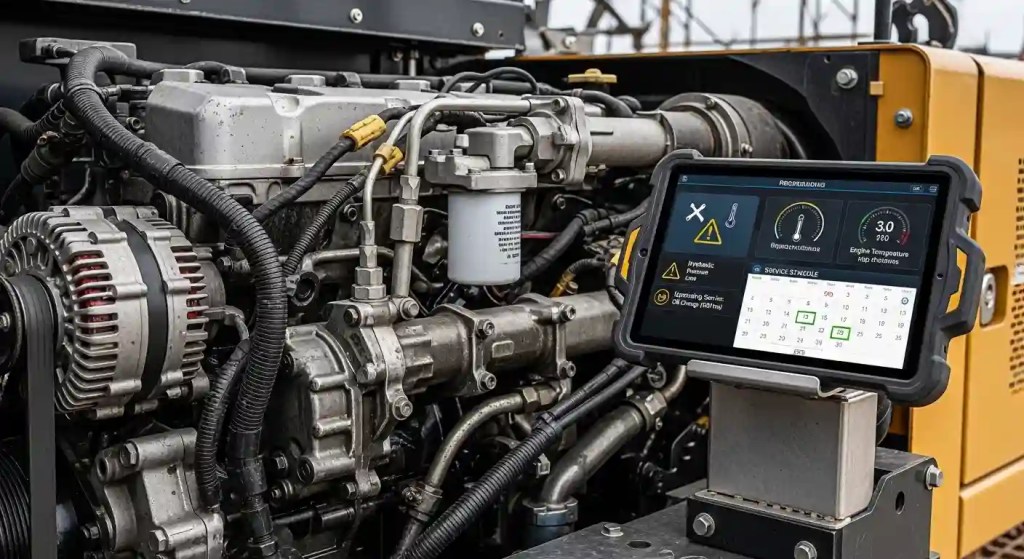
The key question is not simply whether telematics has benefits. It is whether the information it provides can address a real fleet-management need and justify the cost of implementing and maintaining the system.
Telematics vs. Traditional Equipment Tracking
Traditional equipment tracking often depends on manual records, inspections, phone calls, and employee updates. Telematics uses connected equipment and software to collect and organize information automatically. The difference becomes more noticeable as contractors manage more machines or operate equipment across multiple jobsites.
| Factor | Traditional Tracking | Telematics |
|---|---|---|
| Equipment location | Manual checks or employee updates | Real-time or periodic location data, depending on the system |
| Equipment hours | Manually recorded | Automatically collected on supported equipment |
| Fuel information | Manual records | Available through supported equipment and systems |
| Maintenance tracking | Manual schedules and service records | Usage-based data, alerts, and maintenance information |
| Equipment utilization | More difficult to measure | Easier to analyze using machine data |
| Reporting | Manual records and spreadsheets | Automated dashboards and reports |
| Fleet visibility | Limited to available records and updates | Centralized equipment information |
The main difference is how equipment information is collected and accessed. Traditional tracking can work for smaller or simpler operations, while telematics can provide more automated and centralized information for contractors managing larger or more distributed fleets.
How to Get More Value From Construction Telematics
Installing a telematics system does not automatically improve fleet management. Contractors get more value when they use the information to address specific equipment problems and make better decisions. A clear purpose, useful metrics, relevant alerts, and regular reviews can help turn equipment data into practical action.
Start With a Specific Fleet Problem
Begin by identifying the problem telematics is expected to address. This could be excessive idle time, equipment theft, unplanned downtime, poor utilization, or difficulty keeping up with maintenance.
Starting with a specific goal makes it easier to determine which equipment data matters. For example, a contractor concerned about idle time can focus on engine hours and idle periods rather than trying to monitor every available metric.
Track the Metrics That Matter
Telematics systems can collect a large amount of equipment data, but contractors do not necessarily need to monitor all of it. Focus on measurements that relate directly to fleet performance and the problems identified at the start.
Depending on the operation, useful metrics may include equipment location, engine hours, idle time, fuel use, utilization, maintenance alerts, and diagnostic information. Keeping the focus on relevant metrics can make reports easier to understand and act on.
Set Up Alerts and Reports
Automated alerts can help contractors respond to important equipment events without constantly checking a dashboard. Depending on the system, alerts may be available for excessive idle time, maintenance requirements, equipment movement, diagnostic issues, or other conditions.
Reports can also help managers identify patterns over time. Instead of simply storing equipment information, contractors can use scheduled reports to review utilization, operating hours, maintenance activity, and other relevant measurements.
Review the Data Regularly
Telematics only provides value when contractors use the information to make fleet decisions. Data that is collected but never reviewed is unlikely to improve equipment management.
Set a regular schedule for reviewing the most important metrics and identifying changes that require action. This might include moving underused equipment, scheduling maintenance, investigating excessive idle time, or reviewing unexpected equipment movement. Over time, these regular reviews can make telematics part of the company’s normal fleet-management process.
Plan Your Construction Equipment With Confidence
Whether you are evaluating telematics, managing equipment across multiple jobsites, or looking for ways to improve fleet efficiency, the right equipment and planning approach can make a difference. Systems West works with contractors on construction equipment and project needs, helping them find practical solutions for demanding jobsites.
Have questions about your construction equipment needs? Contact Systems West to discuss your project.
Conclusion
Construction telematics can give contractors better visibility into equipment location, utilization, operating hours, maintenance needs, and fleet activity. It can also help identify excessive idle time, improve equipment coordination, and provide data that supports more informed fleet-management decisions.
At the same time, telematics requires an investment in hardware, software, connectivity, implementation, and employee training. Its value depends on the size of the fleet, how equipment is used, the quality of available data, and whether contractors regularly act on the information. By weighing these factors against specific fleet-management needs, construction companies can determine whether telematics is the right fit for their operation.
Frequently Asked Questions
What are the main benefits of construction telematics?
The main benefits include better equipment visibility, improved utilization, more proactive maintenance, reduced idle time, and centralized fleet information. Depending on the system, telematics can also help contractors monitor fuel use, equipment movement, and diagnostic information.
How does telematics help manage construction equipment?
Telematics collects equipment data through GPS, sensors, and connected systems and makes that information available through software. Contractors can use it to monitor equipment location, operating hours, utilization, maintenance information, and other supported data from a central dashboard.
Does telematics reduce equipment downtime?
Telematics can help reduce avoidable downtime by providing information such as engine hours, maintenance data, diagnostic alerts, and equipment activity. This can help maintenance teams identify service needs and plan work before some equipment issues lead to unexpected downtime. However, telematics does not prevent every mechanical failure.
Can telematics track construction equipment?
Yes. Many telematics systems use GPS to track construction equipment location. Depending on the system, contractors may also be able to view equipment movement, operating status, and other machine information. Tracking capabilities vary by equipment and telematics provider.
Is telematics worth the cost for a small construction company?
It depends on the company’s fleet size, equipment usage, maintenance process, and specific problems. A small contractor with only a few machines may have less need for a telematics system than a company managing equipment across several jobsites. Comparing the system’s costs with potential needs such as equipment tracking, maintenance management, idle-time monitoring, and theft prevention can help determine whether it makes sense.