


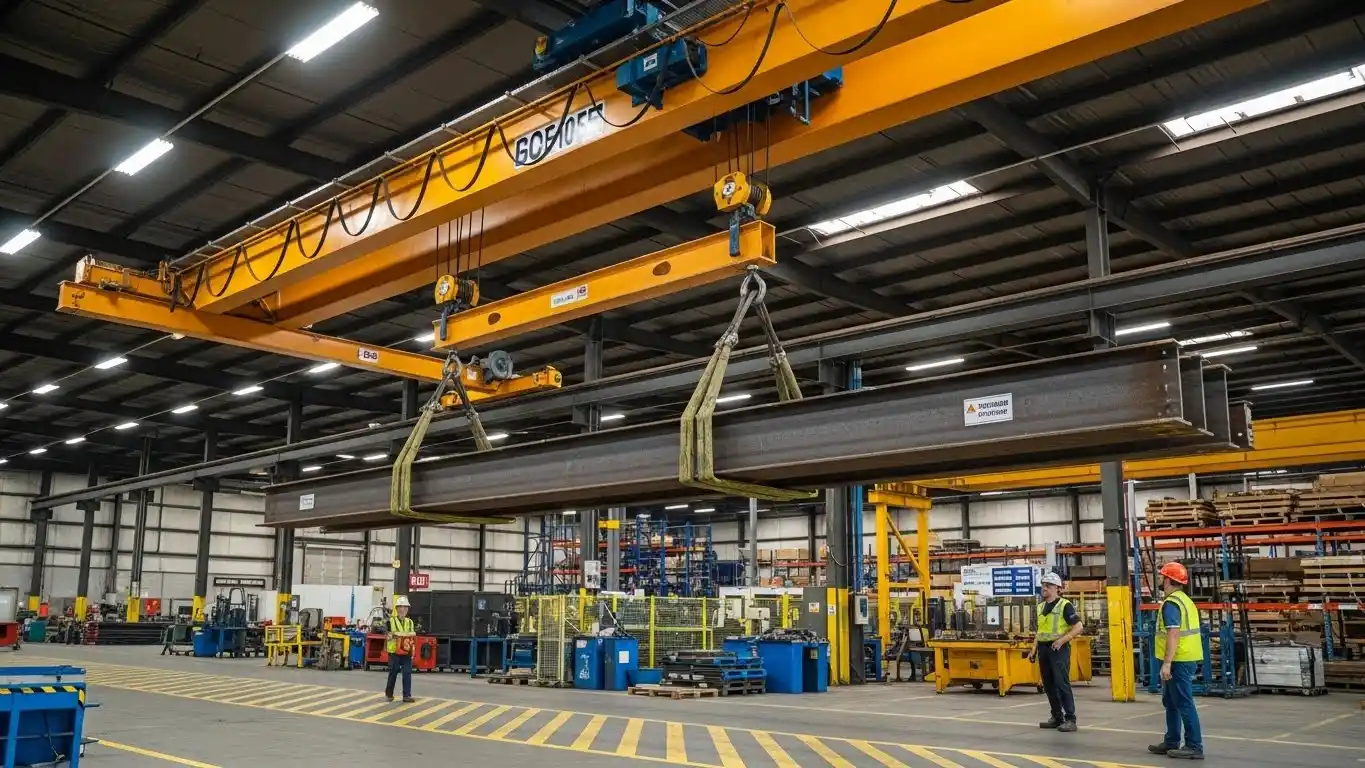
What Is Overhead Crane Maintenance?
Overhead crane maintenance refers to the systematic inspection, repair, and upkeep of cranes used in industrial settings. It ensures that cranes operate safely, efficiently, and reliably, reducing the risk of accidents and equipment downtime. Maintenance includes daily checks, periodic inspections, lubrication, adjustments, and replacement of worn components. At Systems West, Inc, we focus on installing overhead cranes built for durability and ease of maintenance, ensuring your operations remain safe and efficient.
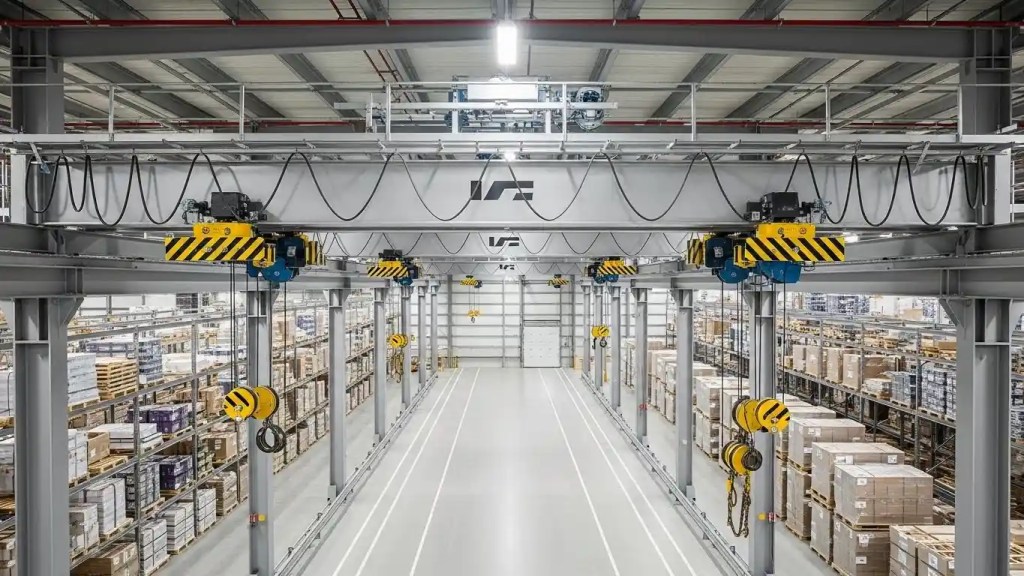
Why Overhead Crane Maintenance Matters?
Following are the reasons why maintenance matters for overhead crane:
Ensuring Safety in the Workplace
Cranes are powerful pieces of equipment, and even minor failures can cause serious injuries. Regular maintenance identifies potential hazards before they lead to accidents. Checking hoists, brakes, and structural components ensures operators work in a safe environment.
Preventing Downtime and Costly Repairs
Neglecting maintenance often results in unexpected breakdowns. By inspecting key components like wire ropes, chains, and electrical systems, maintenance prevents sudden failures, minimizing costly downtime that can halt production.
Extending Crane Lifespan
Consistent care preserves the crane’s mechanical and structural integrity. Components like hoists, trolleys, and runway rails last longer when properly maintained, delaying expensive replacements.
Compliance with OSHA and Industry Standards
OSHA regulations require overhead cranes to be regularly inspected and maintained. Following these standards not only keeps workers safe but also ensures legal compliance and reduces liability.
When to Do Overhead Crane Maintenance?
Daily and Pre-Operation Checks
Daily maintenance focuses on safety and operational readiness. Operators should check for obvious damage, confirm that brakes and limit switches function properly, inspect hoist ropes, and verify control systems are working before using the crane.
Monthly and Periodic Maintenance Tasks
Monthly inspections include a more thorough examination of mechanical and electrical components. Inspect wheels, sheaves, and structural members, check for lubrication needs, and ensure electrical wiring and connections are secure.
Annual or Long-Term Maintenance
Annual maintenance involves a complete inspection by qualified technicians. Load testing may be performed, and critical components like hoists, trolleys, brakes, and structural members are carefully evaluated. Annual maintenance ensures the crane continues to meet safety and performance standards.
Scheduling Based on Usage and Duty Cycle
The frequency of maintenance should reflect how often and heavily the crane is used. Cranes in continuous operation or harsh environments may require more frequent inspections and service compared to those in light use. A maintenance plan tailored to the crane’s duty cycle ensures maximum reliability.
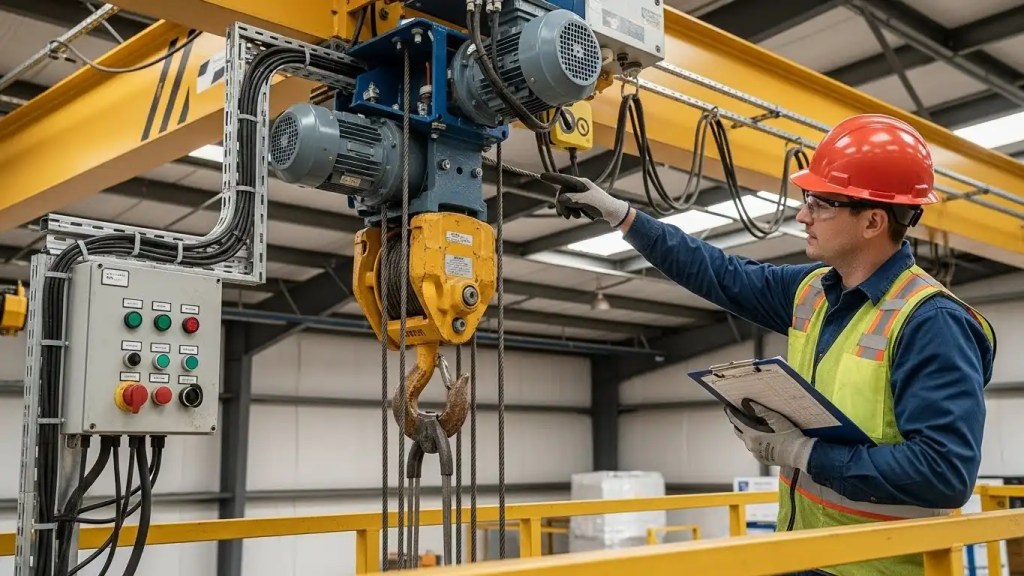
How Often Should Overhead Cranes Be Inspected?
Frequent / Pre-Use Inspections
These inspections should occur before every shift or use. Operators check controls, brakes, hoists, and visible structural components. The goal is to identify any immediate safety risks.
Periodic Inspections
Periodic inspections, conducted monthly or quarterly, involve a more in-depth assessment of mechanical and electrical systems. Wear points, lubrication levels, and alignment are closely examined.
Inspections for Heavy-Use or Harsh Environments
Cranes operating in high-demand situations or challenging environments require more frequent inspections. Factors such as temperature extremes, moisture, dust, or chemical exposure can accelerate wear and necessitate more frequent checks.
Overhead Crane Inspection Checklist
Area and Safety Checks
Ensure all operating zones are clear of obstacles.
Verify that warning signs and signals are visible and functioning.
Check that safety barriers and guards are intact and properly positioned.
Mechanical Component Inspection (hoist, trolley, brakes)
Confirm smooth operation of hoists, trolleys, and brakes.
Listen for unusual noises that may indicate wear or misalignment.
Inspect gears, trolleys, and brake components for signs of wear or malfunction.
Wire Rope, Chain, and Hook Inspection
Check for fraying, kinks, broken strands, or other damage in ropes and chains.
Ensure hooks are properly seated, free of cracks, bends, or deformation.
Structural and Runway Inspections
Examine girders, end trucks, and runway rails for cracks, corrosion, or misalignment.
Verify that bolts and welds are secure and in good condition.
Electrical and Control System Checks
Inspect wiring, pendant controls, limit switches, and circuit breakers for proper function.
Ensure all electrical systems operate safely and reliably.
Documentation and Record-Keeping
Keep detailed records of all inspections, maintenance activities, and repairs performed.
Accurate documentation supports safety compliance and helps identify trends for preventive maintenance.

Preventive Maintenance vs Reactive Repairs
Benefits of Preventive Maintenance
Preventive maintenance addresses issues before they cause failures. Scheduled lubrication, adjustments, and part replacement keep cranes operating efficiently and safely.
Risks of Reactive Repairs
Reactive repairs occur after a problem arises, often leading to costly downtime, safety hazards, and accelerated wear of surrounding components.
Best Practices for Maintenance Scheduling
Common Overhead Crane Maintenance Issues
Unusual Noises or Vibrations: Unusual sounds may indicate misalignment, worn bearings, or loose components. Address these issues promptly to avoid damage.
Wire Rope or Chain Wear: Frayed ropes, kinks, or stretched chains reduce lifting capacity and can be dangerous if not replaced on time.
Brake Problems and Load Drift: Worn or misadjusted brakes can cause uncontrolled movement, creating safety hazards.
Electrical Control Failures: Faulty wiring, damaged switches, or malfunctioning controls can lead to operational errors and safety risks.
Conclusion
Overhead crane maintenance is essential for workplace safety, equipment longevity, and operational efficiency. By implementing regular inspections and following preventive maintenance best practices, facilities can avoid costly downtime and ensure compliance with industry standards. Choosing durable, well-installed cranes from Systems West, Inc provides a reliable foundation, making it easier to maintain safety and performance over time.
Frequently Asked Questions
How often should an overhead crane be maintained?
Daily checks for operation, monthly inspections for wear, and annual thorough maintenance are recommended.
What is the first step in crane maintenance?
Start with a visual inspection of the crane’s structure, hoist, and safety devices.
Which components need regular inspection?
Hoist ropes, chains, hooks, brakes, electrical controls, and runway rails.
Can maintenance prevent crane downtime?
Yes, proactive checks catch issues early, reducing costly repairs and unexpected shutdowns.
Who should perform crane inspections?
Qualified technicians or trained operators should handle inspections, while major repairs require certified professionals.