

Introduction
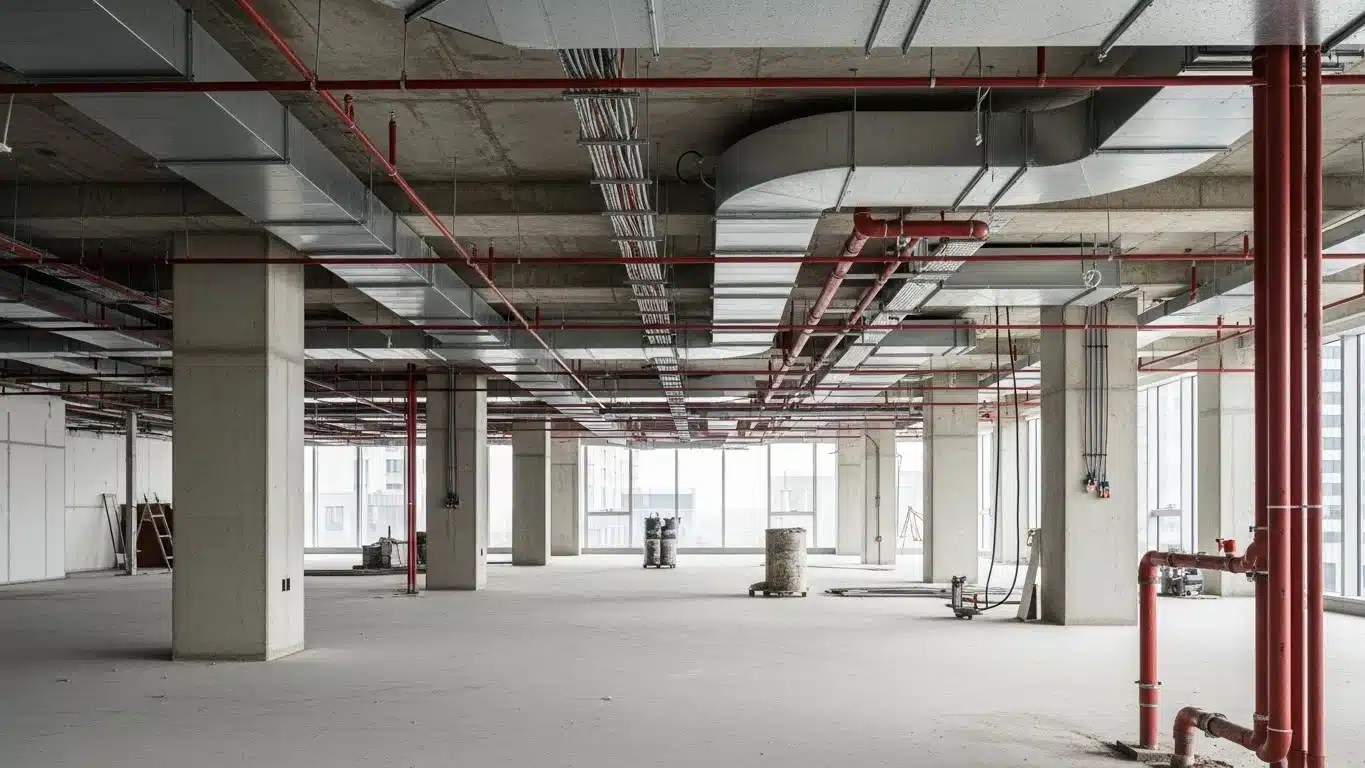
Mechanical, Electrical, and Plumbing (MEP) design forms the backbone of any modern building. These systems control comfort, safety, energy use, and daily operations. When MEP design is poorly planned, the result is higher construction costs, frequent system failures, inefficient energy use, and long-term operational issues.
This article highlights the most common MEP design challenges in today’s buildings and outlines proven best practices used to deliver reliable, efficient, and compliant systems.
Why MEP Design Matters in Complex Projects?
MEP systems directly affect how a building performs throughout its life. HVAC systems regulate comfort and indoor air quality. Electrical systems power operations and life safety equipment. Plumbing systems support sanitation, water efficiency, and fire protection. In complex projects, these systems must work together without conflict.
Effective MEP design reduces operating costs, improves reliability, supports code compliance, and protects occupants. A strong MEP strategy solves problems before they appear on site.
Common MEP Design Challenges in Modern Buildings
Limited Mechanical and Utility Space
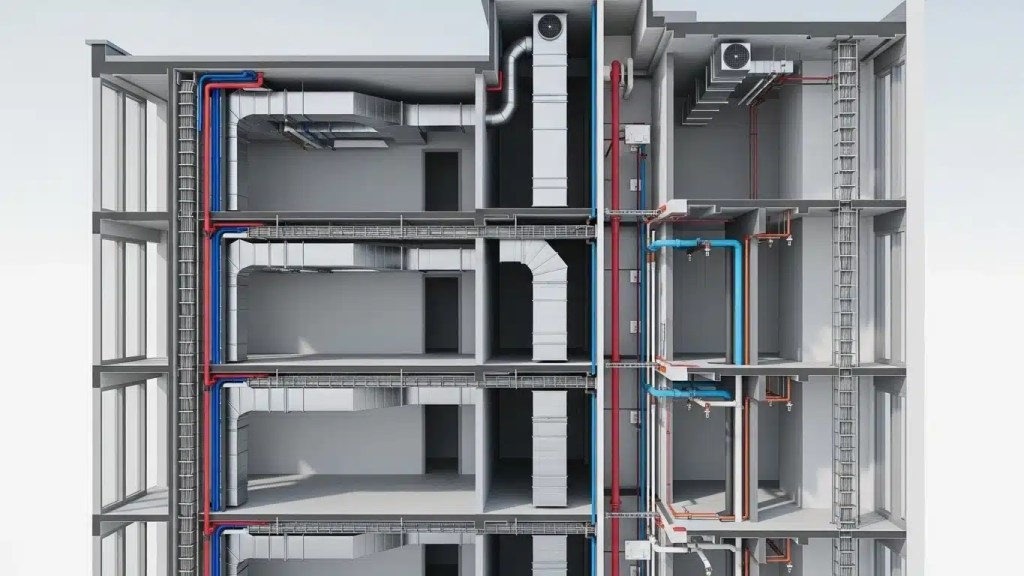
In many modern buildings, maximizing usable floor space leaves very little room for mechanical, electrical, and plumbing (MEP) systems. Tight ceiling spaces, narrow shafts, and small equipment rooms make installation and coordination difficult. When space planning is not addressed early, systems clash with each other, leading to design changes, delays, and higher construction costs. Careful layout planning and early coordination ensure all systems fit properly without compromising performance or project timelines.
HVAC Load Variability and Zoning Complexity
Different areas of a building experience different heating and cooling demands. Sun exposure, occupancy patterns, equipment heat, and climate conditions all affect thermal loads. A single-zone approach cannot handle these variations efficiently. Poor zoning leads to comfort complaints and wasted energy. Load-based zoning allows systems to respond accurately to real building conditions.
Plumbing Pressure and Vertical Distribution Issues
In multi-story buildings, maintaining stable water pressure is a major challenge. Lower floors are exposed to high pressure, while upper floors risk low flow. Without proper zoning and pressure control, fixtures wear prematurely, and system reliability declines. A balanced vertical distribution strategy protects equipment and ensures consistent service.
Fire Protection, Life Safety, and Code Compliance
Fire and smoke behave differently in large and vertical structures. Smoke can travel rapidly through shafts and ductwork if not properly controlled. Fire protection systems must integrate with HVAC, electrical, and architectural elements. Strict code requirements demand accurate coordination, early authority review, and clear documentation to avoid approval delays.
Electrical Load Management and System Redundancy
Modern buildings rely heavily on electrical power. Improper load distribution can cause voltage drops, overheating, and outages. Critical facilities also require backup power and redundancy. Electrical systems must be designed to support current demand while allowing for future expansion without disruption.
Sustainable and Energy-Efficient MEP Design Approach
Designing Energy-Efficient HVAC Systems
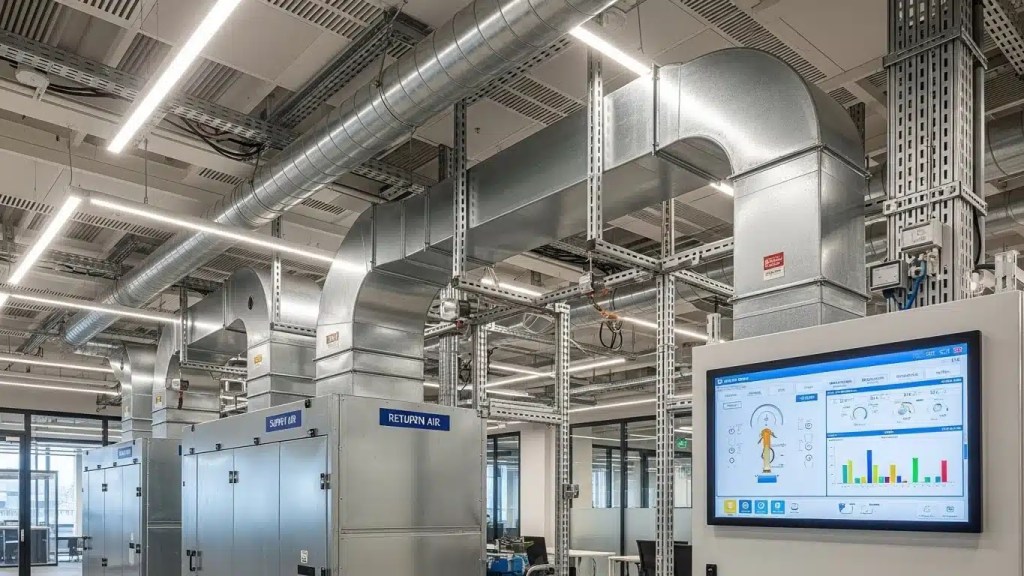
Energy efficiency begins with accurate load calculations. Oversized equipment wastes energy and increases maintenance costs. Right-sized systems matched to actual demand operate more efficiently and last longer. Advanced HVAC strategies allow precise temperature control while reducing overall energy consumption.
Water Conservation and Smart Plumbing Design
Water-efficient plumbing systems reduce operating costs and environmental impact. Low-flow fixtures, pressure control, and efficient hot water distribution significantly lower water and energy use. Monitoring systems help identify leaks early and maintain long-term performance.
Electrical Efficiency and Smart Controls
Efficient lighting systems, automated controls, and demand-based operation reduce electrical consumption without sacrificing comfort. Smart controls adjust lighting and equipment use based on occupancy and schedules. This approach improves efficiency while maintaining reliable system performance.
Integration of Renewable Energy Systems
Renewable energy systems enhance sustainability when planned early. Solar-ready electrical infrastructure, energy recovery systems, and hybrid solutions reduce long-term energy costs. Early coordination ensures systems integrate seamlessly without structural or electrical limitations.
Coordination and Collaboration in MEP Projects
Successful MEP design depends on collaboration. Early coordination with architects, structural engineers, and contractors prevents conflicts before construction begins. Digital modeling tools support system integration, clash detection, and constructability reviews. Clear communication keeps projects on schedule and reduces costly revisions.

MEP Design for Long-Term Performance and Maintenance
Successful MEP design depends on collaboration. Early coordination with architects, structural engineers, and contractors prevents conflicts before construction begins. Digital modeling tools support system integration, clash detection, and constructability reviews. Clear communication keeps projects on schedule and reduces costly revisions.
If you’re planning a new project or improving an existing building, Systems West, Inc is ready to help. Our team works closely with clients to understand project goals and deliver practical, performance-focused MEP solutions.
Request a consultation to discuss your project requirements. Speak directly with our MEP engineers and get expert design support that helps your building operate efficiently, safely, and reliably from day one
Avoiding Costly MEP Design Mistakes
Consultation
Effective MEP design improves building performance, reduces risk, and delivers long-term value. By addressing spatial challenges, energy efficiency, coordination, and system reliability early, projects avoid costly issues and operate as intended. Strong MEP engineering supports safer, more efficient, and more resilient buildings.
Frequently Asked Questions
What are some examples of design challenges in engineering?
Space constraints, system coordination, energy efficiency, and code compliance.
What are MEP issues?
Problems in mechanical, electrical, or plumbing systems, like poor sizing, inefficiency, or lack of redundancy.
What are some challenges mechanical engineers face?
Load calculations, HVAC zoning, equipment selection, and integrating systems in tight spaces
What are the main responsibilities of an MEP engineer?
Designing, coordinating, and ensuring mechanical, electrical, and plumbing systems are safe, efficient, and code-compliant.