

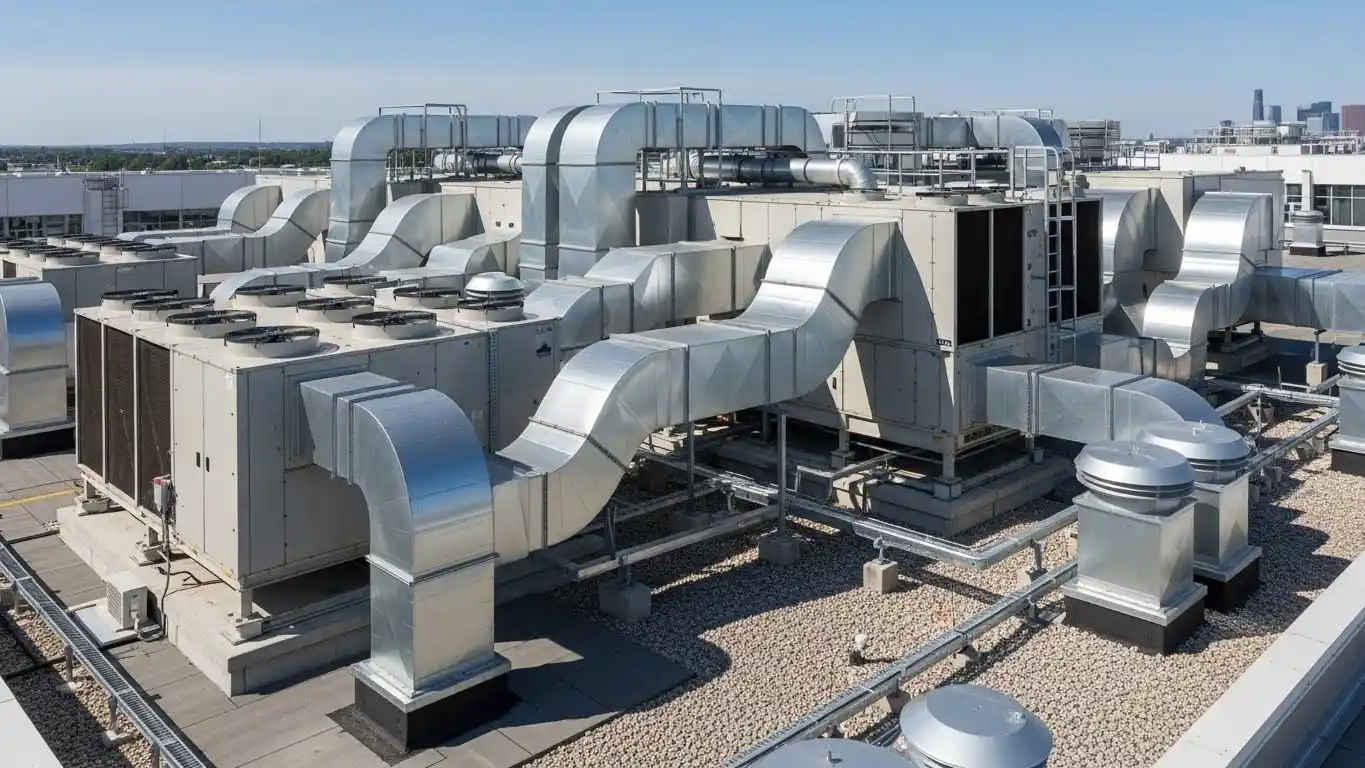
Commercial HVAC systems are an important part of any commercial building. These systems control heating, cooling, and airflow to keep indoor spaces comfortable and safe. Unlike residential systems, HVAC systems for commercial buildings must serve larger areas and more people.
They are designed to run longer hours and handle higher demands. Proper HVAC planning helps reduce energy use, supports indoor air quality, and improves building performance. During commercial construction projects, companies such as Systems West, Inc understand that HVAC systems must be planned carefully to support long-term building use.
What Are Commercial HVAC Systems?
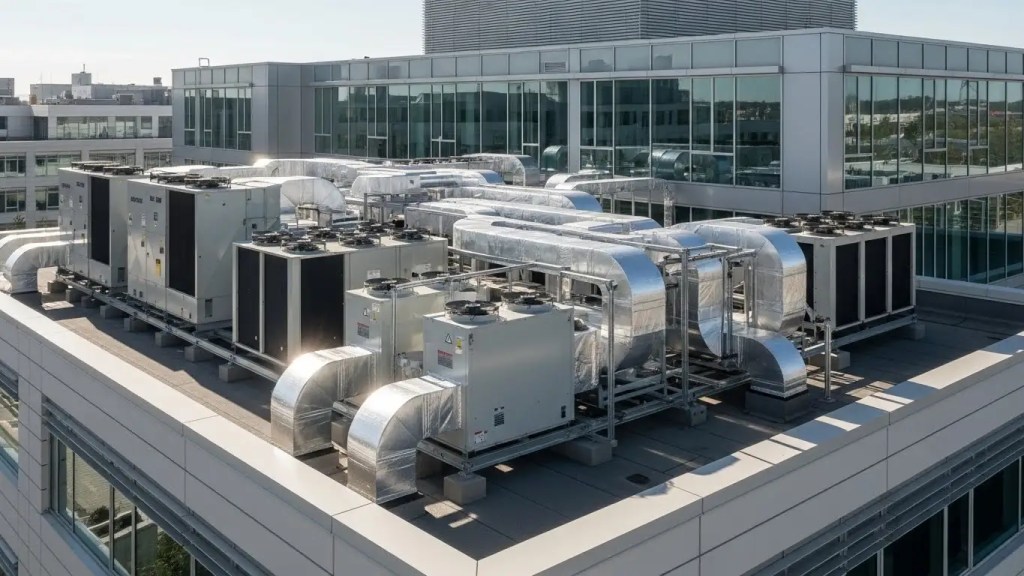
Commercial HVAC systems are heating, ventilation, and air conditioning systems made for non-residential buildings. These systems are larger and more powerful than residential units. They are built to manage temperature and airflow across many rooms or zones at the same time.
These systems are commonly used in office buildings, warehouses, schools, retail stores, and industrial facilities. Their main job is to keep indoor spaces comfortable while bringing in fresh air and removing stale air. A well-designed HVAC system helps buildings stay efficient and comfortable throughout the year.
How HVAC Systems Work in Commercial Buildings?
HVAC systems in commercial buildings work by heating or cooling air and moving it through the building. Air is pulled into the system, filtered, adjusted to the right temperature, and then sent through ducts or pipes to different areas.
One key feature of HVAC systems is zoning. Zoning allows different parts of the building to have different temperature settings. For example, an office area may need cooling while storage areas may not. Modern heating and cooling systems in buildings often use sensors and controls to adjust airflow based on real-time needs. This helps improve comfort and reduce wasted energy.
Types of HVAC Systems
There is no one-size-fits-all solution when it comes to commercial HVAC systems. The right system depends on building size, layout, usage, and performance requirements.
Split HVAC Systems
Split HVAC systems consist of separate indoor and outdoor units. These systems are commonly used in small to mid-sized commercial properties where space constraints or budget considerations make centralized systems less practical. Split systems are relatively simple to install and maintain, making them a popular choice for standalone offices and small retail spaces.
Packaged HVAC Systems
Packaged HVAC systems combine heating and cooling components into a single unit, often installed on rooftops. They are widely used in commercial air conditioning applications for retail stores, office buildings, and schools. Roof-top packaged units help save indoor space and simplify maintenance access while providing reliable heating and cooling performance.
Variable Refrigerant Flow (VRF / VRV) Systems
VRF systems are known for their energy efficiency and zoning flexibility. These systems allow multiple indoor units to connect to a single outdoor unit, with precise control over refrigerant flow. VRF technology is well-suited for commercial buildings with varying occupancy patterns, making it a strong option for offices, hotels, and mixed-use developments.
Chilled Water HVAC Systems
Chilled water systems are commonly used in large commercial and industrial buildings. These systems rely on centralized chillers to produce cooled water, which is circulated throughout the building to air handling units or fan coil units. Chilled water HVAC systems offer excellent scalability and are ideal for facilities requiring consistent cooling across expansive areas.
Industrial HVAC Systems
Industrial HVAC systems are designed for demanding environments such as manufacturing plants, warehouses, and processing facilities. These systems prioritize durability, air quality control, and temperature consistency. They often address specific needs like humidity control, contaminant removal, or continuous operation.
Commercial Air Conditioning Systems In Buildings
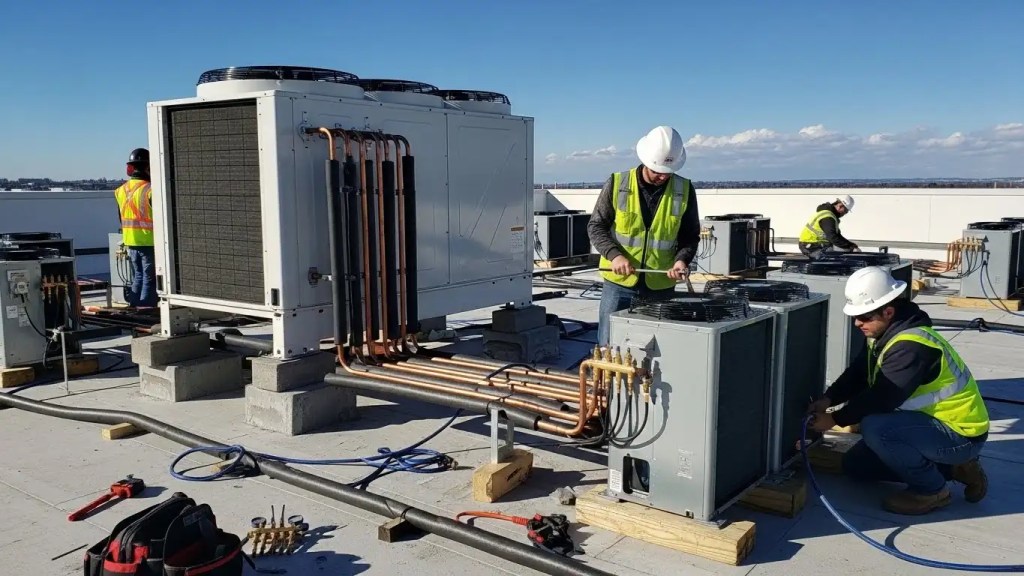
Commercial air conditioning systems help control temperature and humidity in large buildings. These systems are built to handle higher cooling demands than residential units. Common systems include rooftop units, split systems, and chilled water systems.
Air conditioning in buildings also supports ventilation by helping manage moisture and airflow. A well-chosen commercial building air conditioning system helps prevent hot spots, moisture problems, and discomfort for occupants.
HVAC Systems for Office Buildings
HVAC for office buildings must provide comfort while supporting a quiet and productive environment. Offices include work areas, meeting rooms, and shared spaces, each with different needs. Temperature control and airflow must be balanced across the building.
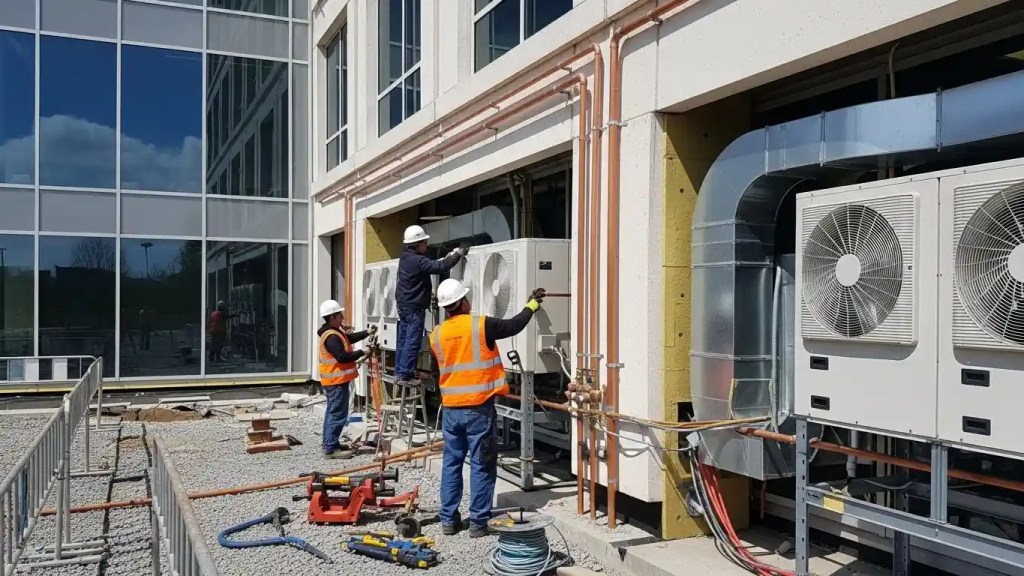
Modern HVAC systems for office buildings use zoning to manage comfort in different areas. As office layouts change, flexible HVAC systems help maintain performance without major upgrades. During construction, planning HVAC systems early helps ensure smooth installation. This approach is often supported by construction teams like Systems West, Inc to reduce future issues.
Choosing the Right HVAC System
Choosing the right HVAC system for a commercial building requires careful planning. Building size, layout, climate, and usage all affect system choice. It is also important to think about how the building may change in the future.
A properly selected HVAC system should meet current needs and allow room for growth. Early planning helps avoid costly changes later and supports long-term system performance.
Energy-Efficient HVAC Systems
Energy-efficient HVAC systems are designed to use less energy while maintaining comfort. These systems use advanced equipment and controls to adjust heating and cooling as needed.
Features such as variable-speed fans and smart controls help systems respond to changes in occupancy and weather. Energy-efficient commercial heating and cooling systems can lower operating costs and reduce strain on equipment over time.
Common Challenges with Commercial HVAC Systems
These systems can face problems if they are not designed or installed correctly. Common issues include uneven temperatures, high energy use, and difficult maintenance access. Poor system sizing can also lead to reduced performance.
These challenges can often be avoided through proper planning and coordination during construction. Regular inspections and maintenance also help keep systems running efficiently.
HVAC Planning During Building Construction
HVAC planning works best when it begins early in the construction process. Coordinating HVAC systems with structural and electrical plans helps prevent installation problems. Early planning also allows space for equipment, ductwork, and service access.
When these systems are included in the overall building plan, they are easier to install and maintain. This leads to better performance and fewer issues after construction is complete.
Conclusion
Commercial HVAC systems are a key part of successful commercial buildings. They support comfort, energy efficiency, and indoor air quality. Understanding different HVAC system types and planning them early helps ensure reliable performance over time.
With proper design and coordination, HVAC systems can meet both current and future building needs. Experienced construction companies, including Systems West, Inc, recognize the importance of well-planned HVAC systems in creating efficient and functional commercial spaces.
Frequently Asked Questions
What is the difference between residential and commercial HVAC systems?
Residential systems are for small spaces like homes. Commercial systems handle larger buildings, more people, and multiple zones.
What types of buildings need commercial HVAC systems?
Office buildings, retail stores, warehouses, schools, healthcare, and industrial buildings all need commercial HVAC systems.
How long do these HVAC systems last?
They usually last 15–25 years. Regular maintenance can extend their life.
Are energy-efficient HVAC systems worth it for commercial buildings?
Yes. They save energy, lower costs, and reduce wear on equipment.
When should HVAC planning start during commercial construction?
Planning should start early. This ensures proper sizing, placement, and smooth installation.