


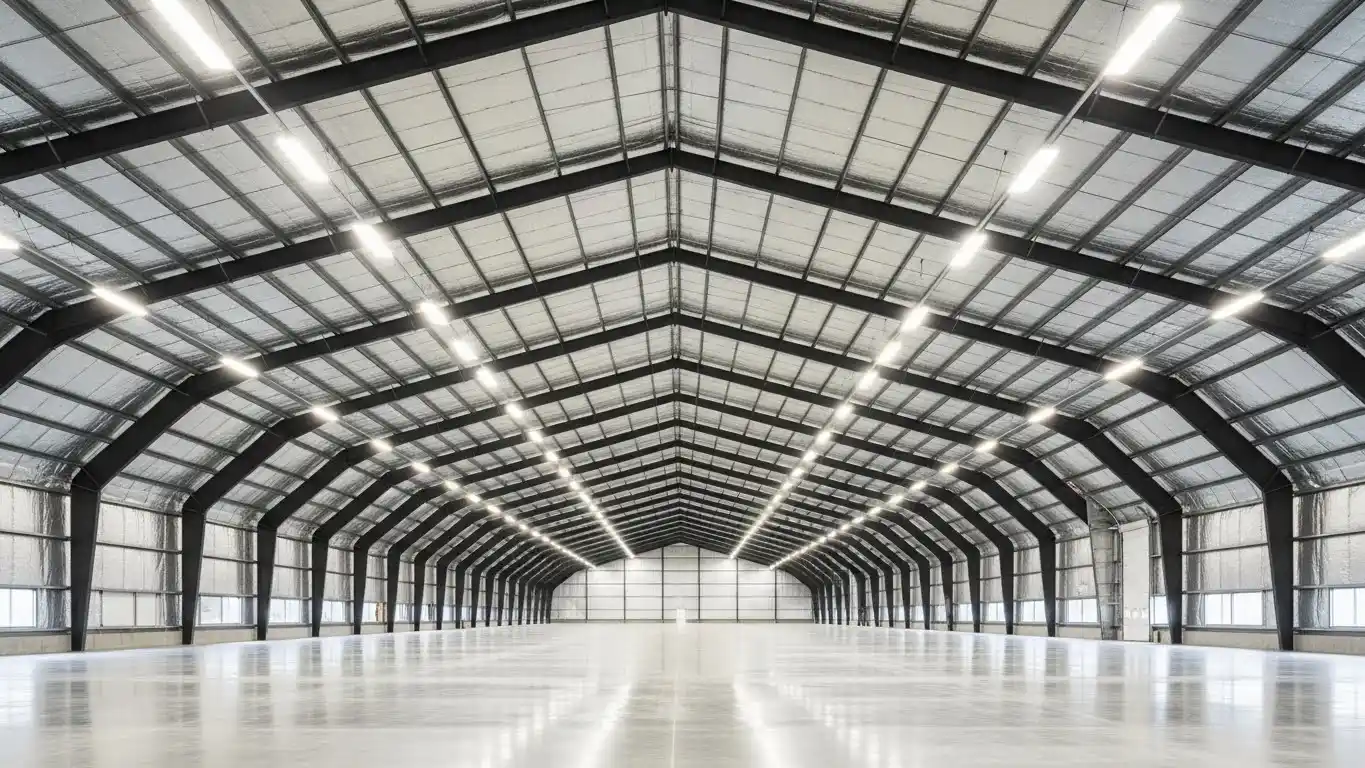
Insulating a metal building is important for protecting its structure, saving energy, and keeping the interior comfortable. Metal buildings can be affected by heat, moisture, and temperature changes, which can put stress on the roof and structure over time. At Systems West, Inc, we specialize in commercial building construction, metal building repairs, and roofing system maintenance. Whether you’re maintaining an existing facility or managing new construction, understanding insulation and proper building care ensures long-lasting performance and protection.
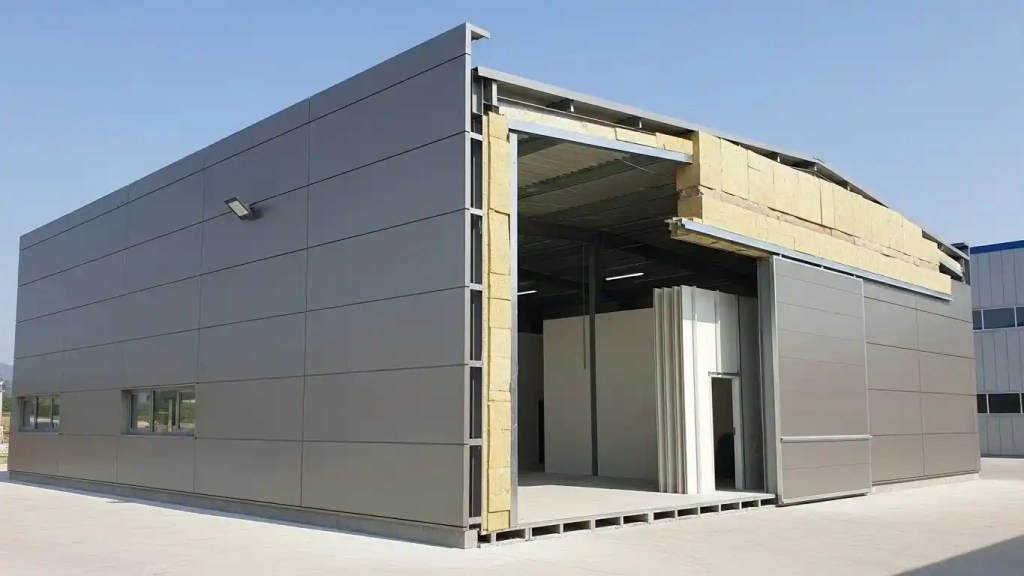
Why Do Metal Buildings Need Insulation?
Metal buildings, including warehouses, commercial facilities, and agricultural structures, transfer heat more rapidly than traditional buildings. Without proper insulation, indoor temperatures can fluctuate dramatically, leading to higher energy bills and uncomfortable working conditions.
Insulation also prevents condensation, which can cause corrosion and shorten the lifespan of steel components. Additionally, properly insulated buildings reduce noise and improve interior climate control, which is critical for offices, workshops, and storage spaces
Types of Metal Building Insulation
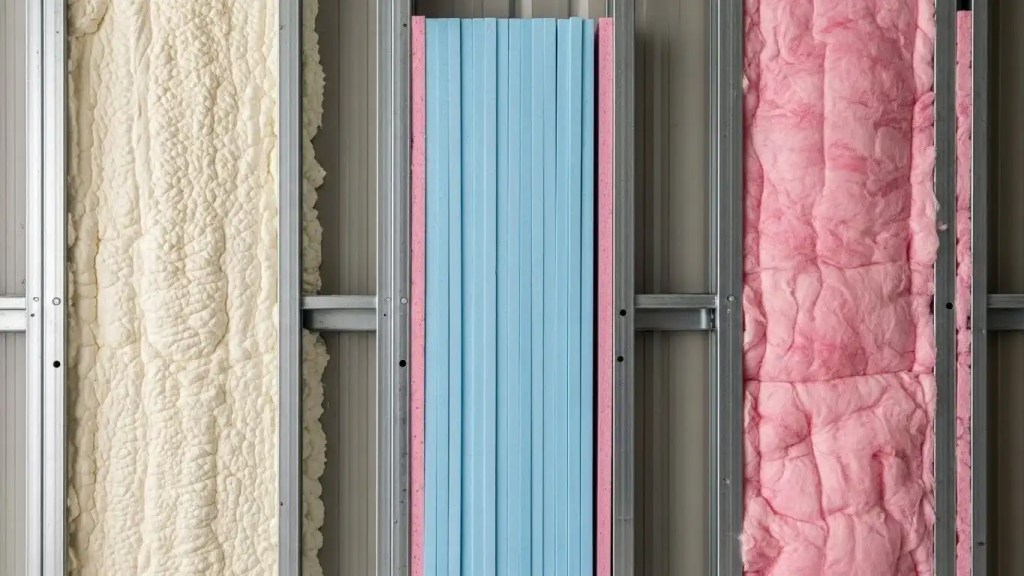
Following are the insulation types that you can consider for your metal building:
Fiberglass Insulation
Fiberglass insulation is widely used for metal building walls and ceilings. It provides effective thermal resistance and is relatively affordable. Fiberglass works best when installed with proper vapor barriers to prevent moisture infiltration. Its lightweight nature makes it easy to handle, although it may require protective coverings to prevent damage.
Rigid Board Insulation
Rigid foam board insulation offers higher R-values per inch and is ideal for walls and roofs. This type of insulation is durable, moisture-resistant, and provides excellent thermal performance. Rigid boards can be installed on new construction or retrofitted onto existing structures, making them a versatile choice for commercial and industrial buildings.
Spray Foam Insulation
Spray foam insulation creates an airtight seal that prevents both heat transfer and moisture penetration. Closed-cell spray foam is particularly effective for controlling condensation in metal buildings. It expands to fill gaps and cracks, providing superior insulation for roofs, walls, and complex structures. Open-cell spray foam is lighter and more cost-effective but is generally better suited for interior applications.
Reflective / Radiant Barrier Insulation
Radiant barrier insulation reflects heat away from the building, reducing cooling costs in hot climates. It is often used in combination with other insulation types to enhance overall performance. Radiant barriers are typically installed under roof panels or within wall cavities and are especially effective for metal roofed buildings in sunny regions.
How to Insulate a Metal Building (Step-by-Step Overview)
Regular maintenance plays a crucial role in preserving the structural integrity and appearance of a steel building. Even small issues like loose bolts or minor corrosion can reduce lifespan if left unaddressed. Below, we break down the key areas of maintenance that directly affect durability.
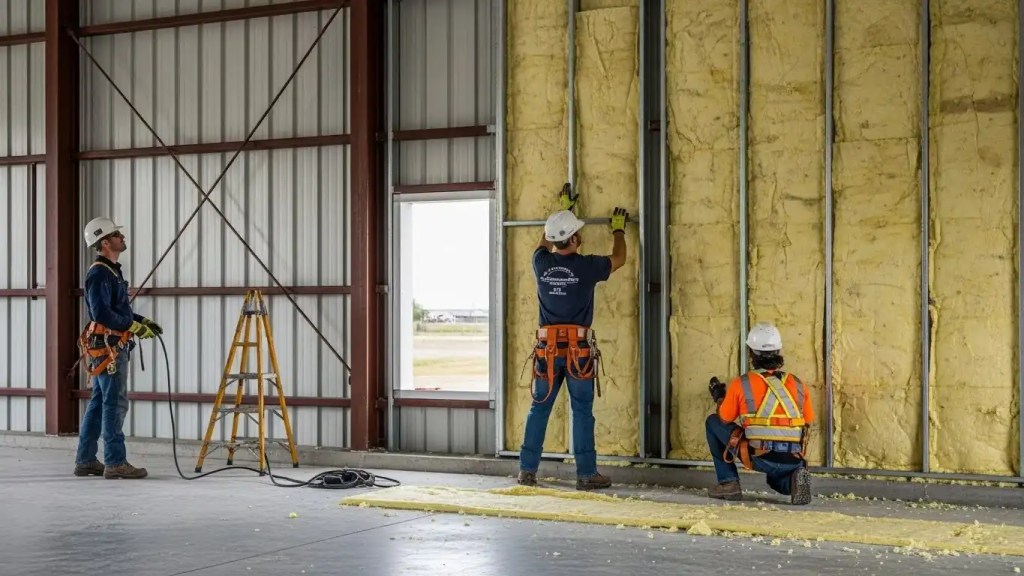
Mistakes to Avoid When Insulating a Metal Building
- Ignoring vapor barriers: Skipping vapor barriers can cause condensation, rust, and mold inside the building. Proper barriers protect both the insulation and the metal structure.
- Improper installation: Poorly installed insulation leaves gaps, compresses material, and reduces effectiveness. Following manufacturer guidelines or hiring professionals ensures proper coverage.
- Neglecting roof insulation: Heat rises, so failing to insulate the roof can cause temperature extremes and increase energy costs. Roof insulation is as important as wall insulation.
- Leaving gaps or voids: Gaps around windows, doors, vents, or seams allow heat loss and air infiltration. Seal all edges properly to maintain thermal efficiency.
- Using the wrong type of insulation: Some materials are not suitable for metal buildings or your climate. For example, fiberglass without a vapor barrier can trap moisture and lead to rust.
When to Hire a Professional for Metal Building Insulation?
Complex commercial and industrial buildings often require professional installation. Hiring experts like Systems West, Inc ensures proper material selection, accurate installation, and long-term performance. A professional approach minimizes mistakes, improves energy efficiency, and protects your investment.
Conclusion
Insulating a metal building is essential for energy efficiency, comfort, and longevity. From spray foam to rigid board and reflective barriers, choosing the right system prevents condensation, protects steel structures, and reduces energy costs. Systems West, Inc provides expert insulation solutions for commercial, industrial, and agricultural buildings, ensuring your metal structure performs at its best for years to come. Contact us today to schedule a consultation and improve your building’s insulation performance.
Frequently Asked Questions
What is the best insulation for a metal building?
The best option depends on climate, budget, and building type. Spray foam is airtight, rigid foam boards have high R-values, and fiberglass is cost-effective with a vapor barrier.
How do I prevent condensation in a metal building?
Use proper insulation, vapor barriers, and roof ventilation. Seal all gaps and choose moisture-resistant materials to protect the steel.
Can I insulate an existing metal building?
Yes. Spray foam, rigid boards, or fiberglass batts can be added. Professional installation ensures efficiency and avoids damage.
How much does it cost to insulate a metal building?
Costs vary by size, insulation type, and labor. Spray foam costs more upfront but lasts longer. Fiberglass and rigid boards are cheaper alternatives.
Does insulation improve energy efficiency?
Yes. Insulation reduces heat transfer, maintains temperature, and lowers energy bills for heating and cooling.