


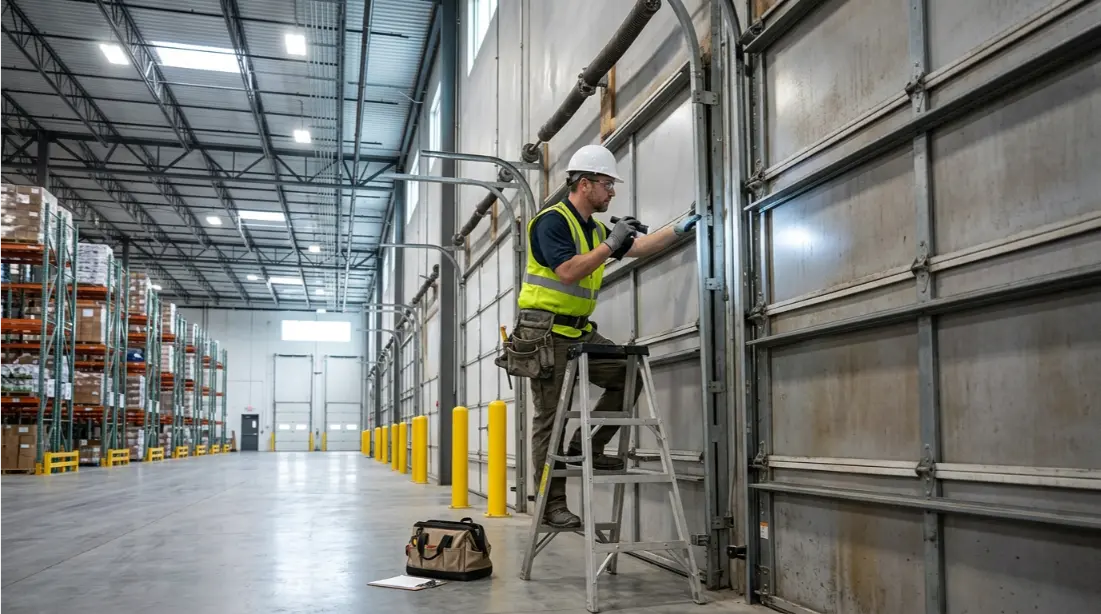
Commercial doors should be checked regularly, with professional inspections and maintenance scheduled according to the door type, how frequently it is used, its operating conditions, and the manufacturer’s recommendations. Doors in busy warehouses or industrial facilities may need more frequent attention than those used occasionally. Regular checks can help identify worn components, operating problems, and visible damage before they lead to larger issues.
At Systems West, commercial door repair and installation services help businesses address problems with overhead doors, walk doors, bi-fold doors, and hydraulic doors. Understanding the maintenance needs of each system can help building owners plan inspections, maintain safe access, and address issues before they disrupt daily operations.
Understanding Commercial Door Inspection Schedules

Commercial door inspections are not limited to one annual check. A practical maintenance approach can include routine visual observations, scheduled professional inspections, and additional checks when a door has been damaged or its operation changes. The right schedule depends on the door system, how often it operates, site conditions, and manufacturer recommendations. For example, Amarr recommends maintenance inspections every six months for its commercial doors, but building owners should follow the maintenance guidance provided for their specific door system.
Routine Visual Checks by Building Staff
Building staff can look for visible problems during regular facility checks. Pay attention to damaged panels or frames, loose hardware, unusual noises, sticking, uneven movement, and doors that do not open, close, or lock properly. These observations do not replace professional maintenance, but they can help identify problems early.
Scheduled Professional Inspections and Maintenance
Professional inspections allow qualified technicians to assess components that may not be easy or safe for building staff to evaluate. Depending on the door system, this may include the tracks, rollers, hinges, fasteners, seals, operators, and safety features. The maintenance schedule should follow the manufacturer’s recommendations while also accounting for how heavily the door is used and the conditions in the facility.
When Additional Inspections May Be Needed
A commercial door may need to be inspected sooner than its normal schedule after an impact, severe weather, repeated operating problems, or visible damage. New noises, difficulty opening or closing, misalignment, or problems with safety features can also indicate that the door needs attention. Addressing these changes promptly can help determine whether maintenance or repair is needed before the problem becomes more serious.
What Determines How Often a Commercial Door Needs Maintenance?
There is no single maintenance schedule that works for every commercial door. The right frequency depends on how the door is used, how it operates, the conditions around it, and whether it has experienced previous problems or repairs.
Daily Usage and Operating Cycles
A door that opens and closes many times throughout the day generally experiences more wear than one used only a few times. Busy warehouses, loading areas, and commercial facilities may therefore need more frequent inspections and maintenance. Tracking how often a door operates can help determine an appropriate maintenance schedule.
Door Design and Operating Mechanism
Different commercial doors have different components and operating systems that require attention. Overhead, walk, bi-fold, and hydraulic doors can experience different types of wear depending on how they are designed and operated. Maintenance should account for the specific door system and follow the manufacturer’s recommendations.
Weather, Dust, Moisture, and Site Conditions
The environment around a commercial door can also affect its condition. Dust, moisture, temperature changes, wind, and exposure to the elements may contribute to corrosion, worn seals, or other problems. Doors in demanding industrial or exterior environments may require closer monitoring than doors in cleaner, protected areas.
Previous Damage and Repair History
A door that has been damaged or repaired in the past may require additional attention. Repeated problems, impact damage, corrosion, or components that continue to wear can indicate that the existing maintenance schedule needs to be reviewed. Keeping records of previous repairs can help building owners and contractors identify recurring issues and determine when further inspection is appropriate.
Maintenance Considerations for Different Commercial Door Types
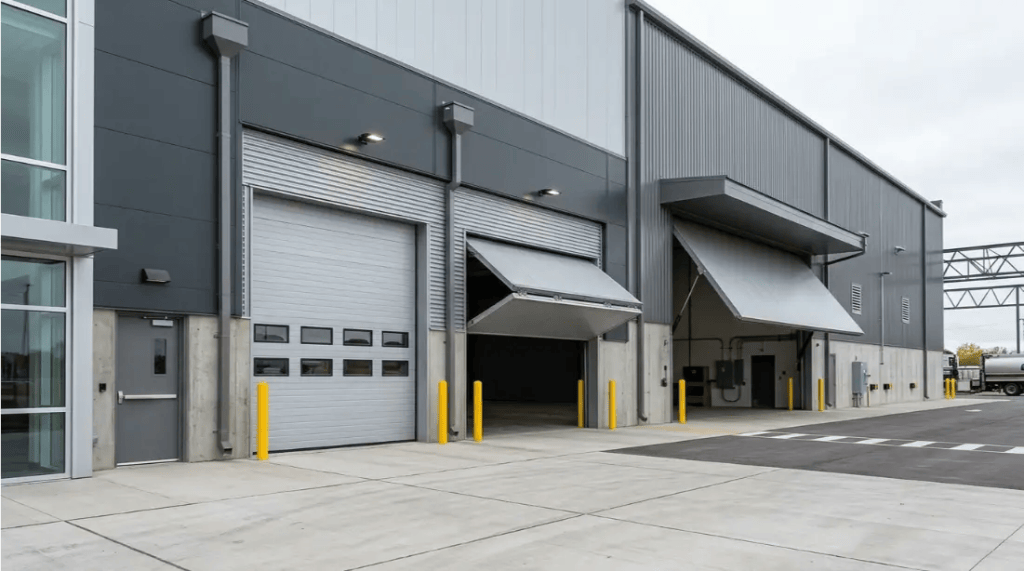
Different commercial door systems have different components and operating mechanisms, so the areas that need attention can vary. Understanding these differences helps building owners know what a professional inspection may focus on without applying the same checklist to every type of door.
Commercial Overhead Doors
Overhead doors have moving components that should be checked for signs of wear, damage, or improper operation. Inspection may include the door panels, tracks, rollers, hinges, fasteners, and operating equipment. Unusual movement or noise can indicate that a component needs attention.
Commercial Walk Doors
Walk doors should be checked for proper opening, closing, and locking. Hinges, frames, locks, closers, handles, and weather seals can wear over time. Damage or misalignment can affect how the door operates and may also make it harder to maintain a secure building entrance.
Bi-Fold Doors
Bi-fold doors have multiple moving sections and an operating mechanism that requires proper alignment. Inspections can focus on the panels, hinges, connections, hardware, and operating components. Uneven movement, unusual noise, or difficulty opening and closing may indicate a problem that needs professional attention.
Hydraulic Doors
Hydraulic doors use hydraulic components to control their movement, so inspections should consider the condition and operation of the hydraulic system as well as the door itself. Signs such as slow or uneven movement, unusual noise, visible fluid leaks, or difficulty operating the door should be addressed by a qualified professional.
What Should a Commercial Door Inspection Include?
A commercial door inspection should look at the door’s visible condition, moving components, hardware, and operating systems. The exact inspection points depend on the type of door, but a thorough check can help identify wear, damage, alignment problems, and safety concerns before they affect normal operation.
Door Panels, Frames, and Visible Damage
Inspect the panels and frames for dents, cracks, corrosion, loose sections, or other visible damage. Damage can affect how a door operates and may allow moisture or other elements to enter the building. Any significant damage should be evaluated to determine whether repair or replacement is appropriate.
Tracks, Rollers, Hinges, and Alignment
For doors with moving hardware, tracks, rollers, hinges, and other connections should be checked for visible wear, damage, or misalignment. A door that moves unevenly, sticks, or makes unusual noises may have a problem with one or more of these components.
Locks, Closers, and Weather Seals
Walk doors should be checked to make sure locks, handles, and closers operate properly. Weather seals should also be inspected for visible deterioration or gaps. Damaged or worn seals can affect the door’s ability to limit drafts and moisture around the opening.
Operators and Safety Features
Powered commercial doors should have their operators and safety features checked for proper operation. Problems such as inconsistent movement, failure to stop or reverse when designed to do so, or unusual operating behavior should be addressed by a qualified professional rather than adjusted by untrained personnel.
Warning Signs That a Commercial Door Needs Attention
Changes in how a commercial door looks, sounds, or operates can indicate that it needs maintenance or repair. Unusual noises, such as grinding, squeaking, or banging, may point to wear or problems with moving components. Jerky movement or difficulty opening and closing can also signal that the door is not working correctly.
Other warning signs include visible damage, corrosion, loose components, or a lock that no longer engages properly. These problems can affect door operation, building security, and normal access. Powered doors also need attention if their operators behave unexpectedly or their safety features fail to work as intended.
If a commercial door appears unsafe, stop using it when possible and keep people away from the affected area. Contact a qualified professional to assess the problem and determine whether maintenance or repair is needed. Avoid operating a damaged door or attempting to adjust hazardous components yourself.
How Preventive Maintenance Helps Commercial Buildings
Preventive maintenance helps identify wear and minor problems before they develop into larger repairs. Regular checks can reveal issues with door movement, hardware, seals, and operating systems, allowing building owners to address them before they cause unexpected failures. This can help keep commercial doors operating as intended and reduce disruptions to daily activities.
Well-maintained doors also support building safety and security. Doors that open, close, and lock properly help maintain secure access for employees, visitors, and deliveries. For facilities that rely on overhead, bi-fold, or hydraulic doors for regular operations, unexpected failures can delay work and interfere with access to equipment or loading areas. Following a maintenance schedule based on the door type, usage, site conditions, and manufacturer recommendations can help reduce these risks and support more reliable building operations.
Need Commercial Door Repair or Installation?
Commercial doors play an important role in building access, security, and daily operations. If your doors show signs of wear, are difficult to operate, or need repair or replacement, Systems West can help. Our commercial door repair and installation services cover overhead doors, walk doors, bi-fold doors, and hydraulic doors for commercial and industrial facilities.
Contact Systems West to discuss your commercial door needs and determine the right next step for your facility.
Conclusion
Commercial doors should be inspected and maintained according to their type, frequency of use, operating conditions, and manufacturer recommendations. Regular checks can help identify wear, damage, and operating problems early, while professional maintenance helps keep doors working safely and reliably. Building owners should also arrange an inspection when a door shows signs of damage or stops operating as expected.
Following a preventive maintenance schedule can help businesses protect building security, reduce unexpected interruptions, and address repair needs before they become more serious. By monitoring door condition and arranging professional maintenance when needed, facility managers can help keep commercial doors operating properly and support the daily activities of their buildings.
Frequently Asked Questions
How often should commercial doors be inspected?
Commercial doors should be inspected regularly, with the frequency based on the door type, daily usage, operating conditions, and manufacturer recommendations. Doors in busy warehouses or industrial facilities may need more frequent inspections than those used occasionally. Any signs of damage or unusual operation should be checked promptly.
What is included in a commercial door maintenance inspection?
A commercial door maintenance inspection may include checking door panels, frames, hinges, tracks, rollers, locks, weather seals, operators, and safety features. The exact checks depend on the door’s design and operating mechanism. A qualified professional can identify worn components, alignment issues, and other problems that may affect performance.
Can building staff perform commercial door inspections?
Building staff can perform routine visual checks for visible damage, unusual noises, loose components, or difficulty opening and closing a door. However, these checks do not replace professional inspections and maintenance. Repairs or adjustments involving springs, cables, hydraulic systems, or powered mechanisms should be handled by qualified professionals.
What are the signs that a commercial door needs maintenance?
Common warning signs include unusual noises, jerky movement, difficulty opening or closing, problems with locks, visible damage, and malfunctioning operators or safety features. These issues may indicate worn components or an operating problem. If a door appears unsafe, stop using it when possible and contact a qualified professional.
Should a commercial door be inspected after an impact or severe weather?
Yes. An impact or severe weather can damage door panels, frames, tracks, hardware, and operating components, even when the damage is not immediately obvious. A professional inspection can help identify problems that may affect safe operation, security, or weather protection before the door returns to regular use.