


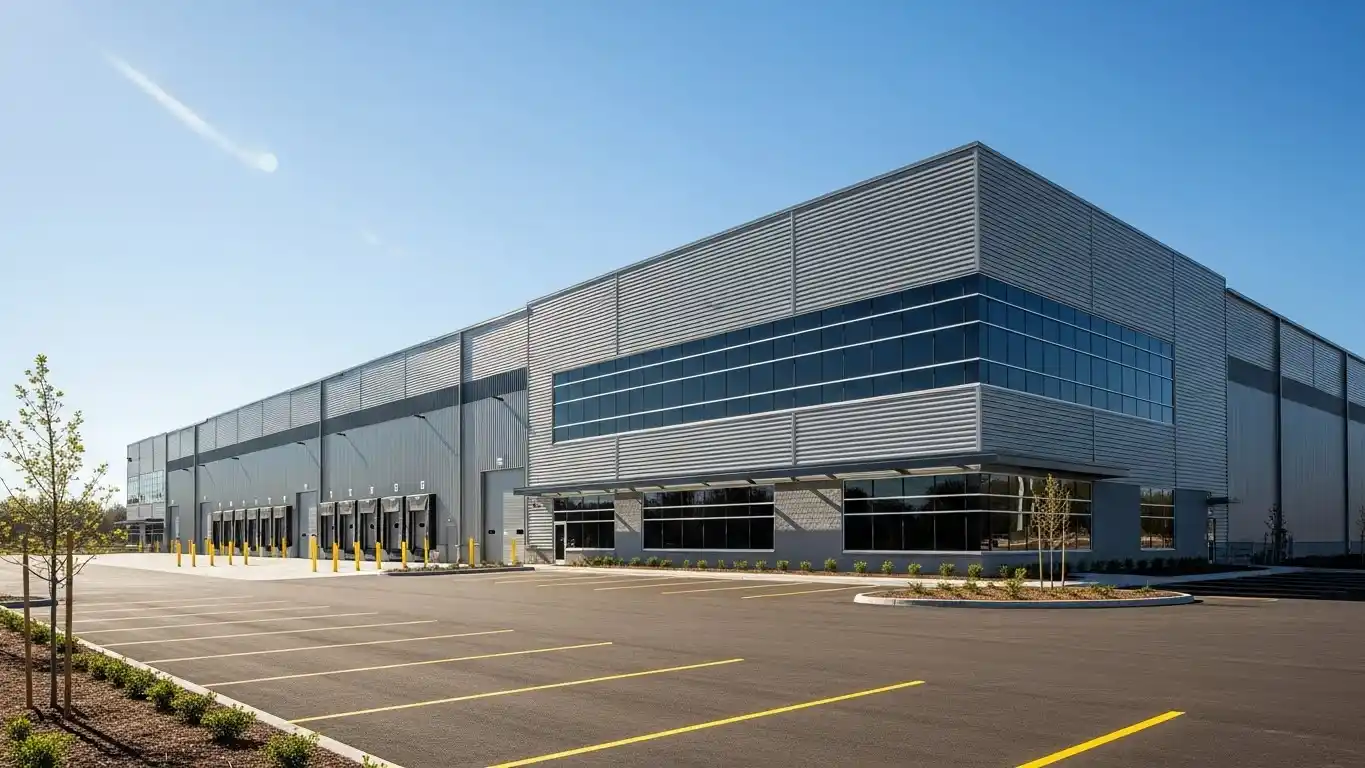
Steel buildings are renowned for their durability, versatility, and long-term value. Whether used for agricultural storage, commercial warehouses, or industrial facilities, steel structures provide reliable protection and performance for decades. Systems West, Inc has helped businesses and farmers invest in high-quality steel buildings designed to meet their unique needs, ensuring structures that are strong, weather-resistant, and long-lasting.

Average Lifespan of a Steel Building
Steel buildings can typically last between 40 and 70 years, and in some cases, much longer. The exact lifespan depends on several factors, including the quality of steel, construction methods, environmental exposure, and ongoing maintenance. High-grade, galvanized steel buildings installed correctly are often capable of serving multiple generations, especially when paired with modern coatings and protective finishes.
In comparison to traditional materials such as wood or concrete, steel’s resistance to rot, pests, and structural cracking gives it a clear advantage in longevity. For agricultural and industrial applications where long-term durability is critical, investing in a steel structure from Systems West, Inc ensures decades of reliable performance and minimal maintenance headaches.
What Factors Affect the Lifespan of Steel Buildings
Following are the factors that can affect the lifespan of steel buildings:
Quality of Steel and Materials Used
The type of steel used in a building is the single most important factor influencing longevity. Galvanized steel is the industry standard due to its corrosion resistance and high tensile strength. Some buildings also use Galvalume or painted steel for additional protection, particularly in coastal or high-humidity regions. Higher-quality steel and protective coatings prevent rust, deformation, and structural weaknesses over time.
Building Design and Engineering
A building’s design significantly impacts how long it will last. Pre-engineered buildings are carefully calculated to handle specific snow, wind, and seismic loads. Custom designs can add additional reinforcement in areas with unique environmental or operational challenges. Proper engineering ensures even load distribution, prevents stress points, and maintains the structure’s integrity for decades.
Climate and Environmental Conditions
Environmental conditions can accelerate wear if not properly addressed. Areas with high humidity, salt-laden air near coastlines, frequent rain, or temperature fluctuations may put extra stress on steel structures. Choosing the right coatings, ventilated roof systems, and moisture control strategies helps protect the building from these environmental factors and extends its usable life.
Foundation and Site Preparation
Even the strongest steel building cannot perform well on a poor foundation. Reinforced concrete foundations provide stability, distribute the structure’s weight evenly, and prevent settling or shifting that could lead to structural failure. Proper drainage and soil preparation also prevent water damage and foundation erosion, which are common causes of premature wear.

How Maintenance Impacts Steel Building Longevity?
Regular maintenance plays a crucial role in preserving the structural integrity and appearance of a steel building. Even small issues like loose bolts or minor corrosion can reduce lifespan if left unaddressed. Below, we break down the key areas of maintenance that directly affect durability.

Steel Buildings vs Other Building Types
Steel buildings offer several advantages over traditional construction materials like wood and concrete. Below, we compare steel buildings to other types of structures to highlight why they are often the preferred option.
Steel vs Wood Buildings
Steel outperforms wood in nearly every way. Unlike wood, steel does not rot, warp, or fall prey to termites and other pests. It requires minimal maintenance while providing superior strength and load-bearing capacity. For agricultural or industrial storage, steel is a more practical long-term solution than wood.
Steel vs Concrete Buildings
Concrete buildings are strong but can crack over time due to foundation shifts, temperature changes, or soil movement. Steel, when properly engineered, remains structurally sound and flexible enough to withstand these stresses. In environments prone to shifting soil or temperature extremes, steel buildings maintain stability and durability far longer than concrete structures.

How to Extend the Life of a Steel Building?
Even the most durable steel building requires proper care to maximize its lifespan. By implementing preventative measures, routine inspections, and smart design choices, owners can protect their investment and ensure decades of reliable performance. The following strategies outline how to get the most out of a steel building.
Choosing the Right Steel Coating
Selecting appropriate coatings like G90 or G115 galvanization protects the steel from corrosion in various climates. Heavier coatings are especially beneficial in high-humidity or coastal regions where exposure to moisture is greater.
Proper Ventilation and Moisture Control
Condensation inside a steel building can accelerate corrosion and damage stored materials. Installing proper ventilation systems, aerated flooring, and moisture barriers ensures consistent airflow and temperature control.
Working With Experienced Builders
Professional installation is critical to long-term durability. Experienced builders ensure precise bolt placement, proper sealing, and adherence to design specifications. A steel building installed by experts like Systems West, Inc is more likely to withstand decades of environmental and operational challenges.
Industry Use Cases for Steel Buildings
Following examples show how different sectors benefit from steel building solutions.
Conclusion
Steel buildings offer unmatched durability, adaptability, and long-term value across agriculture, commercial, and industrial sectors. With proper materials, design, and routine maintenance, they can provide decades of reliable service. Systems West, Inc specializes in designing, supplying, and installing steel buildings that are engineered for efficiency, strength, and longevity, helping clients maximize the return on their investment.
Frequently Asked Questions
Do steel buildings rust over time?
Protective coatings prevent rust, and corrosion only occurs if coatings are damaged or neglected.
Is maintenance required for steel buildings?
Routine inspections and minor upkeep prevent issues, though maintenance is minimal compared to other materials.
Can a steel building outlast a concrete building?
Yes, steel often outperforms concrete, especially in areas prone to cracking or soil movement.
Are steel buildings worth the investment long-term?
Steel buildings provide low maintenance, long service life, and durability, offering excellent long-term value.