


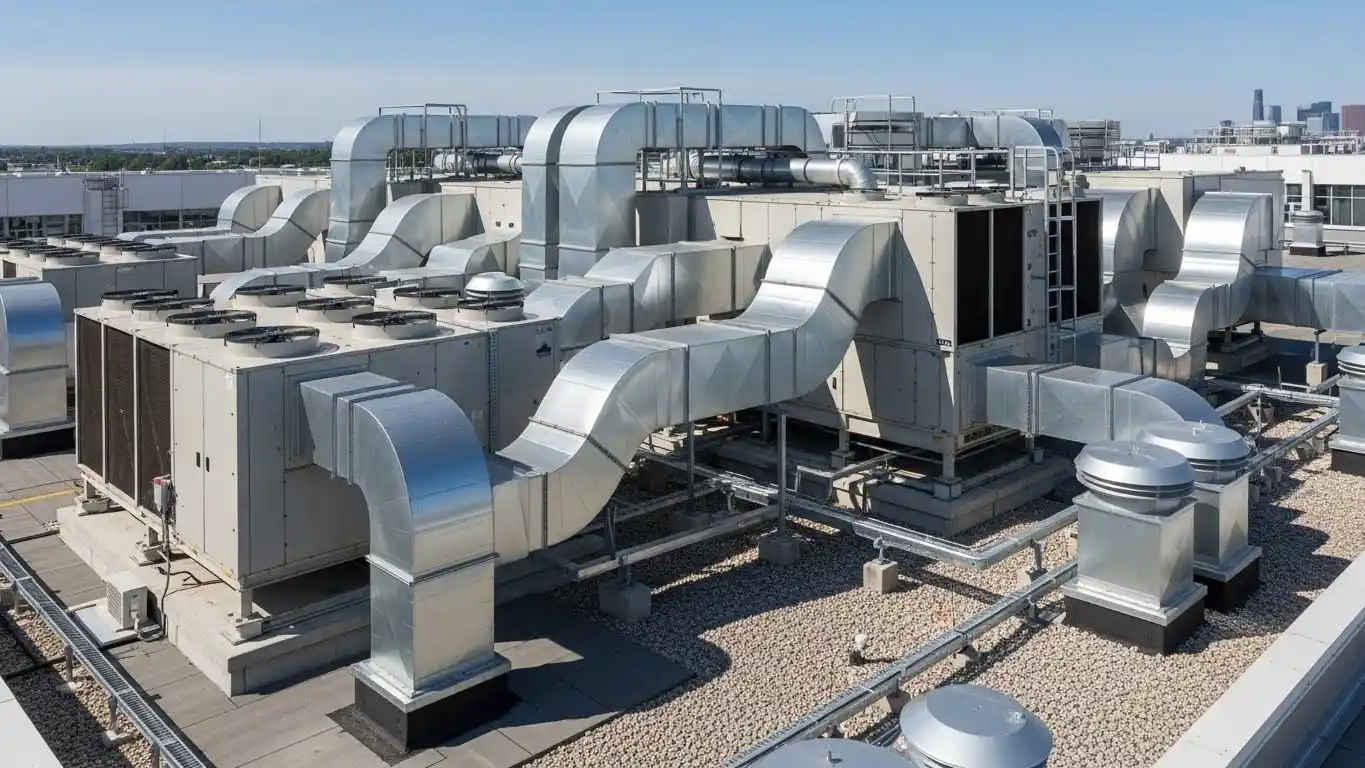
Concrete is one of the most trusted materials in commercial construction because it combines strength, reliability, and long-term value. From office buildings and warehouses to public infrastructure, concrete handles heavy loads and daily operational stress with ease. Its durability, fire resistance, and low maintenance needs make it ideal for long-lasting commercial structures. Companies like Systems West, Inc rely on concrete to deliver buildings that remain safe, functional, and structurally sound for decades.
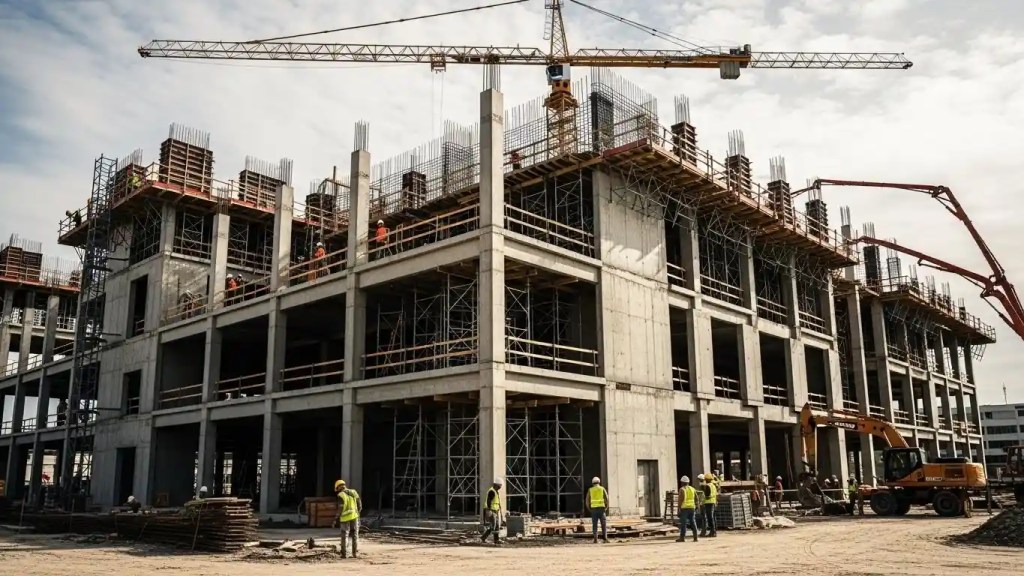
Concrete as a Building Material in Commercial Construction
Concrete is made by mixing cement, aggregates, and water to form a solid, durable material. Once hardened, it can support significant weight, making it suitable for large-scale commercial projects.
Commercial buildings must handle people, equipment, and operational loads. Concrete provides reliable structural performance for foundations, floors, walls, and columns. Its flexibility allows architects and engineers to mold it into a variety of shapes, accommodating complex designs without compromising strength or safety.
Key Advantages of Concrete in Construction
Strength and Long-Term Durability
Concrete is highly durable and supports heavy loads, making it ideal for warehouses, industrial facilities, and retail buildings. Properly installed concrete resists cracking, shifting, and structural wear over time. Its performance under harsh weather, moisture, and temperature changes ensures long-lasting commercial structures with minimal maintenance.
Fire Resistance and Safety Compliance
Fire safety is critical in commercial buildings. Concrete is naturally non-combustible, helping prevent the spread of fire while maintaining structural integrity. This property allows buildings to meet fire and safety codes more easily and reduces the need for additional protective materials, lowering long-term costs.
Low Maintenance and Lifecycle Cost Benefits
Concrete structures require minimal maintenance. Unlike other materials, concrete does not warp, rot, or degrade quickly, reducing repair and replacement needs. While initial construction costs vary, concrete often proves more cost-effective over a building’s lifespan due to its longevity and low upkeep requirements.

Concrete Compared to Other Construction Materials
Concrete vs Steel in Commercial Buildings
Steel is a common choice for commercial buildings but usually requires added fireproofing, which increases costs and maintenance. Concrete provides built-in fire resistance and requires less upkeep. Steel is also prone to corrosion in humid or industrial environments, while concrete resists environmental wear more effectively.
Concrete vs Wood in Commercial Construction
Wood is limited in commercial construction due to fire risk, moisture sensitivity, and code restrictions. Concrete provides superior durability and stability for large or high-occupancy buildings. It resists pests, decay, and environmental damage, making it a more reliable long-term solution.
Concrete in Building Construction Across Commercial Applications
Industrial and Warehouse Facilities
Industrial and warehouse buildings require materials that can handle heavy machinery and constant traffic. Concrete supports these demands, providing strong foundations and durable floors for long-term performance.
Office and Corporate Buildings
Concrete delivers structural stability for multi-story office buildings and open layouts. Its durability reduces long-term maintenance costs while allowing flexible design for corporate spaces.
Municipal and Public Infrastructure
Public buildings need strength, safety, and longevity. Concrete meets these requirements and is widely used in schools, government facilities, and other public structures.
Retail and Mixed-Use Developments
Retail and mixed-use buildings benefit from concrete’s adaptability. It accommodates changing layouts, supports high foot traffic, and maintains structural performance over time.

Sustainability and Energy Performance of Concrete Buildings
Thermal Mass and Energy Efficiency
Concrete’s thermal mass helps regulate indoor temperatures by absorbing and releasing heat slowly. This reduces heating and cooling demands, leading to lower energy use and more consistent comfort in commercial spaces.
Long-Term Environmental Impact
Concrete buildings last longer and require fewer replacements, reducing material waste over time. Its durability helps lower the environmental impact of commercial construction projects.
Compatibility with Sustainable Building Practices
Concrete works well with modern sustainable building strategies. It supports energy-efficient systems and long-term operational efficiency, making it a practical choice for commercial projects focused on sustainability.
When Concrete Is the Right Choice for Commercial Construction?
Concrete is ideal when projects demand long-term durability, safety, and cost control. It is particularly suitable for buildings with heavy structural loads, strict safety codes, and extended service lives. Projects that prioritize reliability and minimal maintenance benefit most from concrete construction.
Choosing the Right Commercial Concrete Construction Partner
Successful concrete construction requires experience, planning, and proper execution. A qualified contractor understands site conditions, codes, and structural demands. Quality control throughout the project ensures buildings perform as expected over time.
Working with an experienced commercial construction partner ensures concrete systems meet performance standards, stay on schedule, and deliver long-term results.
Conclusion
Concrete continues to be the standard for commercial construction because it combines strength, safety, and long-term value. Its versatility allows it to meet the needs of diverse building types, while its durability lowers maintenance and operational costs. With proper planning and skilled execution, concrete supports lasting commercial buildings, as demonstrated by the reliable results achieved by Systems West, Inc.
Frequently Asked Questions
Why is concrete preferred for commercial buildings?
It is strong, durable, fire-resistant, and supports heavy loads.
Is concrete more cost-effective than other commercial construction materials?
Yes, its long lifespan and low maintenance reduce overall costs.
How does concrete improve energy efficiency in commercial buildings?
Its thermal mass helps regulate temperatures, lowering energy use.
What are concrete masonry units used for in commercial construction?
They are used for walls and partitions, providing strength and design flexibility.
When should concrete be chosen for a commercial construction project?
When durability, safety, and long-term cost efficiency are priorities.